BEE @ Taman Nusa Permata, Iskandar Puteri
Faire Development’s second Johor project: 503 gated landed homes in five sizes, from a 20′ terrace to a 35′ three-storey semi-detached. The developer publishes every layout and dimension, and no price at all.
- Foreign buyers
- Cannot be determined — no price publishedJohor landed floor for non-citizens is RM2,000,000, plus state consent. See the note below on what the developer’s previous project sold for.
- Development
- BEE (Taman Nusa Permata)Gated and guarded landed · Faire Development Sdn Bhd
- Developer registration
- 202001010876 (1367196-P)From Faire’s own site footer — useful for a company search
- Developer licence
- 20183/11-2028/1312(A)Faire Development Sdn Bhd, developer code 20183, status Aktif. Valid to 18 November 2028. KPKT register, read 3 September 2026.
- Statutory delivery clock
- Schedule G · 24 monthsBoth phases. The register puts the first sale and purchase agreement at 6 and 7 June 2026, which places the statutory delivery date in June 2028, not Q3 2027 — see the section below.
- Area
- Taman Nusa Permata, Iskandar Puteri, JohorThe developer’s own page title. Agency listings split this development into two entries — see below.
- House types
- Five, all landedThree terrace, one cluster, one semi-detached
- Land dimensions
- 20′×65′ to 35′×80′Published per type by the developer
- Total units
- 503The Star, 2 July 2025 — not a figure on the developer’s site
- Site area
- 23.9 ha (about 59 acres)The Star, not the developer
- Target completion
- Q3 2027Attributed to Faire’s general manager in The Star, July 2025
- Price
- Not published by the developerNo price appears anywhere on faire-dev.com or in the type pages
- Tenure
- Not published by the developer
- Advertising permit (APDL)
- Two permits20183-3/06-2028/0388(A)-(L) and 20183-4/06-2028/0389(N)-(L), both valid to 1 June 2028. From the KPKT register, not from the developer. See the register section below.
- Registered scheme name
- TAMAN NUSA PERMATALicensed developer: Faire Development Sdn Bhd (20183). “BEE” does not appear in the government record.
- Built-up areas
- 166–216 sq m and 313–351 sq mAbout 1,787–2,325 sq ft and 3,369–3,778 sq ft — from the KPKT register. The developer publishes land dimensions only.
The register’s clock says June 2028. The press report says Q3 2027.
Both permits are Schedule G contracts — the statutory sale and purchase agreement the Housing Development Act imposes on landed housing — and Schedule G runs a 24-month delivery period from the date your agreement is signed. The register records when the first agreement on each phase was signed.
| Phase | Advertising permit | Contract · period | First SPA recorded | Units · built-up |
|---|---|---|---|---|
| Phase 1 20183-4 · Lancar | 20183-4/06-2028/0389(N)-(L) 2 Jun 2026 – 1 Jun 2028 | Schedule G · 24 months | 6 June 2026 | 325 units 166–216 m² (1,787–2,325 sq ft) · 4 bed, 4 bath |
| Phase 2 20183-3 · Lancar | 20183-3/06-2028/0388(A)-(L) 2 Jun 2026 – 1 Jun 2028 | Schedule G · 24 months | 7 June 2026 | 178 units 313–351 m² (3,369–3,778 sq ft) · 6 bed, 7 bath |
Swipe sideways to see the full table →
Read from teduh.kpkt.gov.my on 3 September 2026, under developer licence 20183/11-2028/1312(A). Square-foot figures are my conversion from the register’s square metres.
Two things this settles
First, the 503 figure checks out. The Star reported 503 units in July 2025. The register’s two phases carry 325 and 178. They add to exactly 503. A press number and a government number arriving at the same total independently is about as good as verification gets on a project whose developer publishes no unit count.
Second, the completion date is softer than it looks. Q3 2027 is what Faire’s general manager told The Star. Twenty-four months from the first recorded agreement is June 2028. Both can be honest — a developer may aim to finish a year ahead of its statutory obligation — but only one of them gives you a remedy. Late-delivery damages under Schedule G are calculated from the delivery date written in your agreement, which is 24 months from the day you sign, not from the first buyer’s date and not from anything said to a newspaper.
So the question to put in writing before you pay the booking fee: “What is the vacant possession date stated in my sale and purchase agreement?” If the answer is a marketing date rather than a clause, ask again.
Two entries on the agency lists, one development on the ground
When I compared my project list against three competing agency websites, two names came back that I did not carry: “Faire BEE Terrace” and “BEE Cluster”. They read like two developments.
They are not. Terrace and cluster are two of the five house types inside a single 503-unit scheme. Faire’s own site lists them under one project page, with one master plan and one entrance.
This is the second time in the same exercise that a gap turned out to be an artefact of how listings are indexed rather than a development I had missed — the first was Ascent Park, split into a park and a hub. It is worth knowing as a buyer, because a portal that files one scheme under two names will also show you two “different” projects with the same site plan and let you think you are comparing.
What made this one worth a page anyway is the opposite of the KSL group: the developer publishes a great deal about the product and nothing about the money. Five types, every dimension, virtual tours, floor plans, site progress photographs. No price, no tenure, no permit number, no unit count.
What the land dimensions actually tell you
The developer gives you the one number that matters most for landed resale — land area — for every type. Here is the arithmetic, which is mine and not the developer’s.
| Type | Storeys | Dimensions | Land area | vs Type A |
|---|---|---|---|---|
| A — Terrace | 2 | 20′ × 65′ | 1,300 sq ft | — |
| B — Terrace | 2 | 20′ × 70′ | 1,400 sq ft | +8% |
| C — Terrace | 2 | 22′ × 70′ | 1,540 sq ft | +18% |
| D — Cluster | 3 | 32′ × 75′ | 2,400 sq ft | +85% |
| E — Semi-D | 3 | 35′ × 80′ | 2,800 sq ft | +115% |
Swipe sideways to see the full table →
Land area is width × depth. It is not the built-up area, which the developer has not published.
Three things this table decides
One. When the price list arrives, compare the price gaps against these percentages. Type E has 115% more land than Type A. If the price gap between them is less than 115%, the bigger plot is cheaper per square foot of land — and land is what the market buys when a landed house is resold twenty years from now.
Two. Types A and B differ only in depth, by five feet. Same 20′ frontage, same street presence, same two storeys. Whatever premium B carries is a premium for garden depth alone. That may be worth it to you; it should not be worth much.
Three. The jump from C to D is where the product changes, not just the size. C is a two-storey terrace; D is a three-storey cluster. A third storey adds built-up without adding land, and for an ageing household it adds a second flight of stairs. Ask what the built-up areas are before you treat D as simply “bigger than C”.
Density, for once, is genuinely low
503 units on about 59 acres is roughly 8.5 units per acre. For Malaysian landed housing that is low, and it is lower than Faire’s own first project — Bae at Bandar Dato’ Onn put 337 units on 11.3 ha, about 12 units per acre. Both figures are my arithmetic on The Star’s reported site areas and unit counts, not developer figures.
Caveat worth stating: a 59-acre landed site usually includes roads, drainage reserves, open space and possibly a commercial parcel. Units per gross acre is a comparison tool, not a description of your plot.
Five types, all published
Faire publishes a floor plan, a virtual tour and an e-brochure for each type. I have not reproduced the plans here — they are the developer’s own artwork and they are on the developer’s site, which is where you should read them, because that version is the one that is current.
Type A — 2-storey terrace, 20′ × 65′
Ask for the built-up and priceType B — 2-storey terrace, 20′ × 70′
Ask for the A-to-B price gapType C — 2-storey terrace, 22′ × 70′
Ask about Type CType D — 3-storey cluster, 32′ × 75′
Ask about Type DType E — 3-storey semi-detached, 35′ × 80′
Ask if Type E clears RM2mWhere the pictures are, and what they are
Faire publishes artist’s impressions, interior renders for each type, a master plan, and — less commonly — dated site progress photographs. I have not copied any of them onto this page. They belong to the developer, and on the developer’s site they stay current; a copy here would go stale the day the next phase changes.
What is worth saying about them: the interior images are renders, not photographs of a completed unit. Furniture, fittings and landscaping in a render are almost never included in the price. The site progress photographs are the more useful set, because they are the only images on any developer site in this batch that show a real, dated condition rather than an intention.
4.2 km from the Second Link, and one thing in the footer
The developer’s single connectivity claim is specific and checkable: 4.2 km from the Second Link Expressway. That is the crossing to Tuas, not to Woodlands, and it matters which one you use — a household commuting to the west of Singapore reads that distance very differently from one commuting to the north.
The scheme is filed on this site under Taman Nusa Permata, Iskandar Puteri, which is the developer’s own naming on its project page.
Every page of the BEE site carries the mark of KPRJ — Kumpulan Prasarana Rakyat Johor, the Johor state investment arm, alongside Faire’s own logo.
I could not establish from the site what that relationship is. It could be a landowner, a joint-venture partner, a licensing arrangement or something else. I am not going to guess, and I am not going to leave it out either, because a state-linked entity in a project’s ownership chain can affect land title conditions, bumiputera lot allocation and consent timelines. Ask who owns the land and who the vendor on your sale and purchase agreement will be. That is one question and the answer is a fact, not an opinion.
The developer has not published a street address, a land title reference or coordinates, so this page carries no map and no travel times beyond the one distance the developer states itself.
The built-up areas Faire never published — and a 503 that checks out
Faire publishes land dimensions and no built-up areas, no price and no permit. The National Housing Department publishes the built-up areas, the permits and the unit counts. I found the record by searching the register for the licensed company rather than for “BEE,” which does not appear in the government record at all.
| Project code | Advertising permit | Permit valid | Units | Built-up | Bed / bath | Status |
|---|---|---|---|---|---|---|
| 20183-4 | 20183-4/06-2028/0389(N)-(L) | 2 Jun 2026 – 1 Jun 2028 | 325 | 166–216 sq m (1,787–2,325 sq ft) | 4 / 4 | Lancar |
| 20183-3 | 20183-3/06-2028/0388(A)-(L) | 2 Jun 2026 – 1 Jun 2028 | 178 | 313–351 sq m (3,369–3,778 sq ft) | 6 / 7 | Lancar |
| Total | 503 | Registered name for both: Taman Nusa Permata | ||||
Swipe sideways to see the full table →
Read from teduh.kpkt.gov.my on 27 August 2026. Pull it yourself: teduh.kpkt.gov.my/semakan-status-kemajuan?kodProjek=20183-4
325 + 178 = 503
The 503 figure at the top of this page came from The Star, not from Faire. It has now been confirmed by a completely independent source that had no reason to agree with a newspaper: the two permit records add up to exactly 503.
That is what makes this match safe to assert. The registered name is the taman Faire itself uses in its page title, and the unit total lands on the number to the digit. Two independent fields, no guessing.
The agency listings were not wrong after all
Higher up this page I wrote that the two agency listings — “Faire BEE Terrace” and “BEE Cluster” — were an artefact of how portals index a single development. I want to be precise about that now, because the register shows a real split underneath it.
There genuinely are two separately permitted schemes here, and the line falls almost exactly where the agents drew it:
- 20183-4 — 325 homes, 4 bed / 4 bath, 1,787–2,325 sq ft. That is the three terrace types (A 20′×65′, B 20′×70′, C 22′×70′).
- 20183-3 — 178 homes, 6 bed / 7 bath, 3,369–3,778 sq ft. That is the cluster (D 32′×75′) and the semi-detached (E 35′×80′).
So both things are true: one development on the ground, two permits on paper. It is still one master plan, one set of facilities and one management — but the statutory instrument protecting your purchase is one of two, and which one depends on the house type you pick.
What the built-up figures let you do that you could not do before
Faire gives you land size. The register gives you floor area. Together they give you the one ratio that separates these house types.
Take a Type A terrace: 20′×65′ is 1,300 sq ft of land, and the terrace band starts at about 1,787 sq ft of built-up. That is roughly 1.4 times the land area in floor space — a normal two-storey terrace result. Now take the top of the cluster/semi-D band: about 3,778 sq ft of floor on a 2,400–2,800 sq ft plot, across three storeys.
When the price list finally appears, compute both numbers per house type: price per sq ft of floor, and price per sq ft of land. Landed property resells on land. If the semi-detached costs 115% more than the terrace but only delivers a little over twice the floor area on more than twice the land, the two are priced consistently. If the gap opens in one direction, that is where the value is.
The permits are new, and the completion target is not far away
Both permits were issued on 2 June 2026 and run to 1 June 2028. The page above records a target completion of Q3 2027, attributed to Faire’s general manager in The Star.
Those two dates are compatible, and the register records both schemes as Lancar — progressing on schedule. But a permit is not a completion guarantee. If handover slips past June 2028 the developer will need the permit renewed to keep selling the remaining stock, and the sale-and-purchase agreement — not the permit — is what gives you liquidated damages for late delivery. Read the delivery clause, and check whether it counts from the date you signed or from a later date.
Faire’s completed track record, from the same register
The licence 20183 carries four project codes in total. The two above are live. The other two are finished:
- 20183-2 — Laman Permata, recorded as completed with CCC.
- 20183-1 — Taman Cempaka Putih, recorded as completed with CCC.
No entry under this licence carries Sakit, Lewat or a cancelled permit. That is a favourable finding about a developer whose disclosure I have otherwise been critical of on this page, and it belongs here for exactly that reason. A developer that does not publish prices is telling you something about its marketing. A register with no adverse entries is telling you something about its delivery. They are different questions and they deserve different answers.
Pictures of the town this sits in — not of the houses
Faire publishes every layout and dimension for BEE and no photographs of the built product, which is unsurprising for a scheme still in the twenties by percentage. Rather than dress this page with renders taken from somewhere else, here is the town. At 4.2 km from the Second Link, the town is most of the reason to buy here.
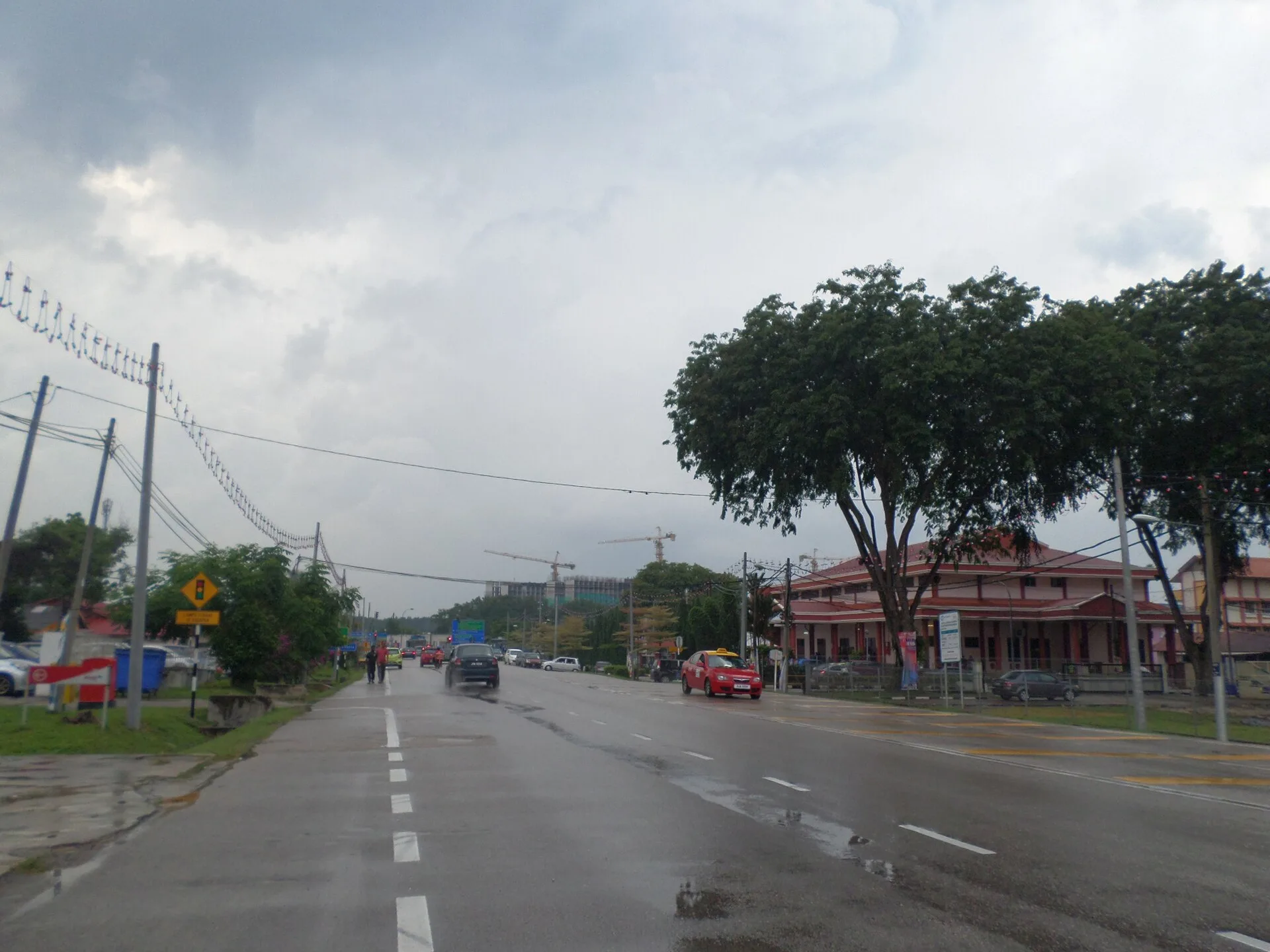
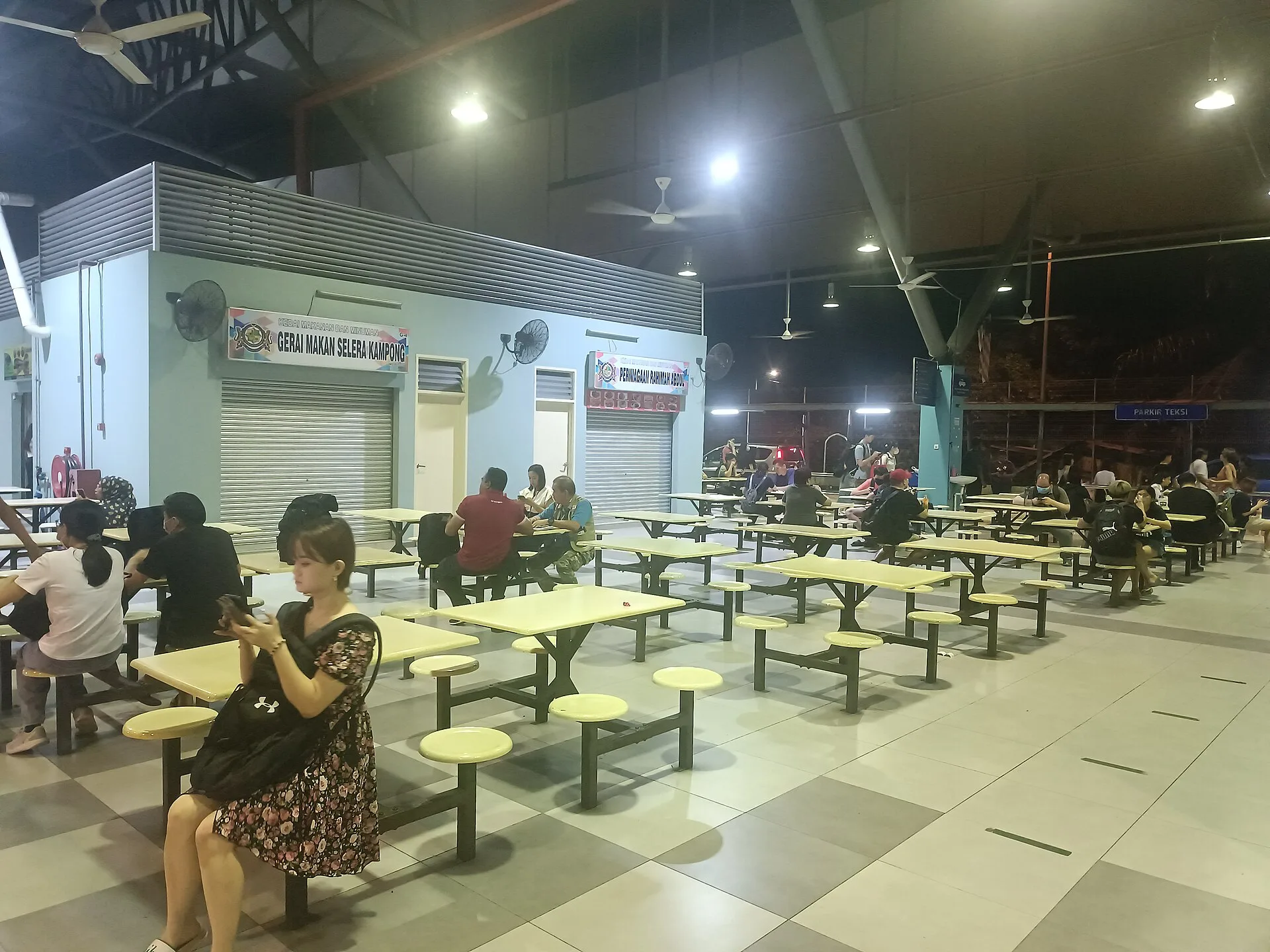
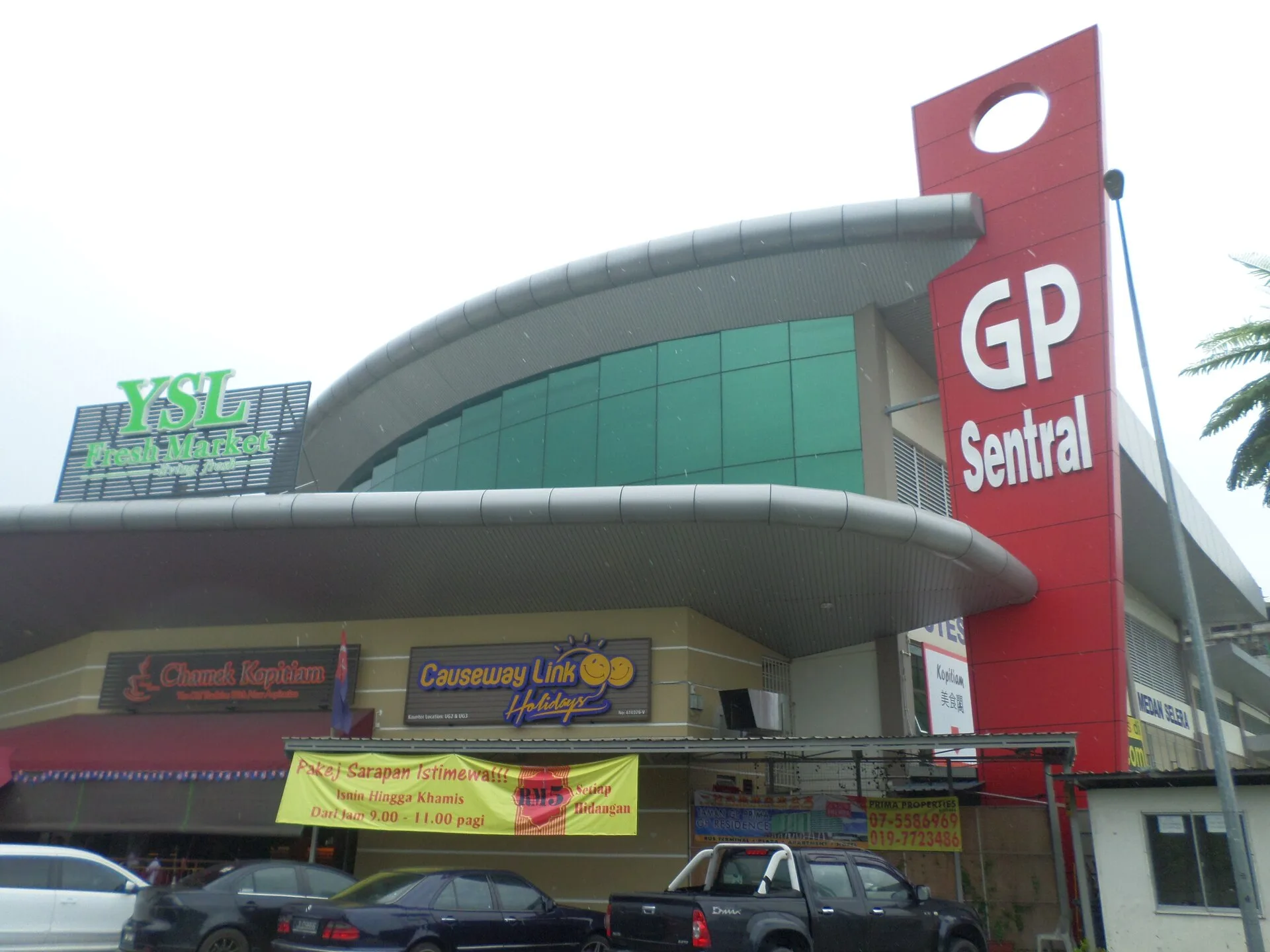
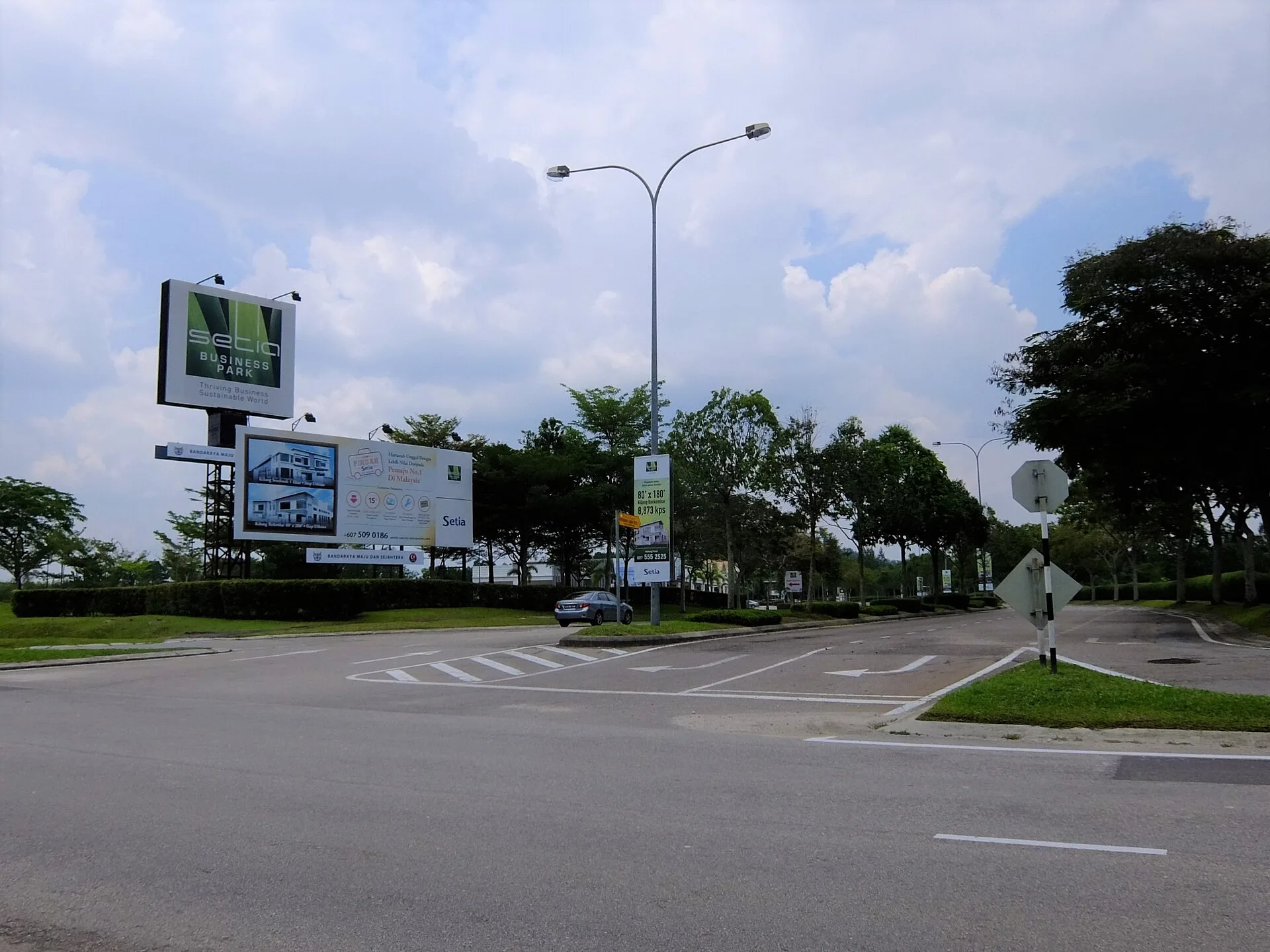
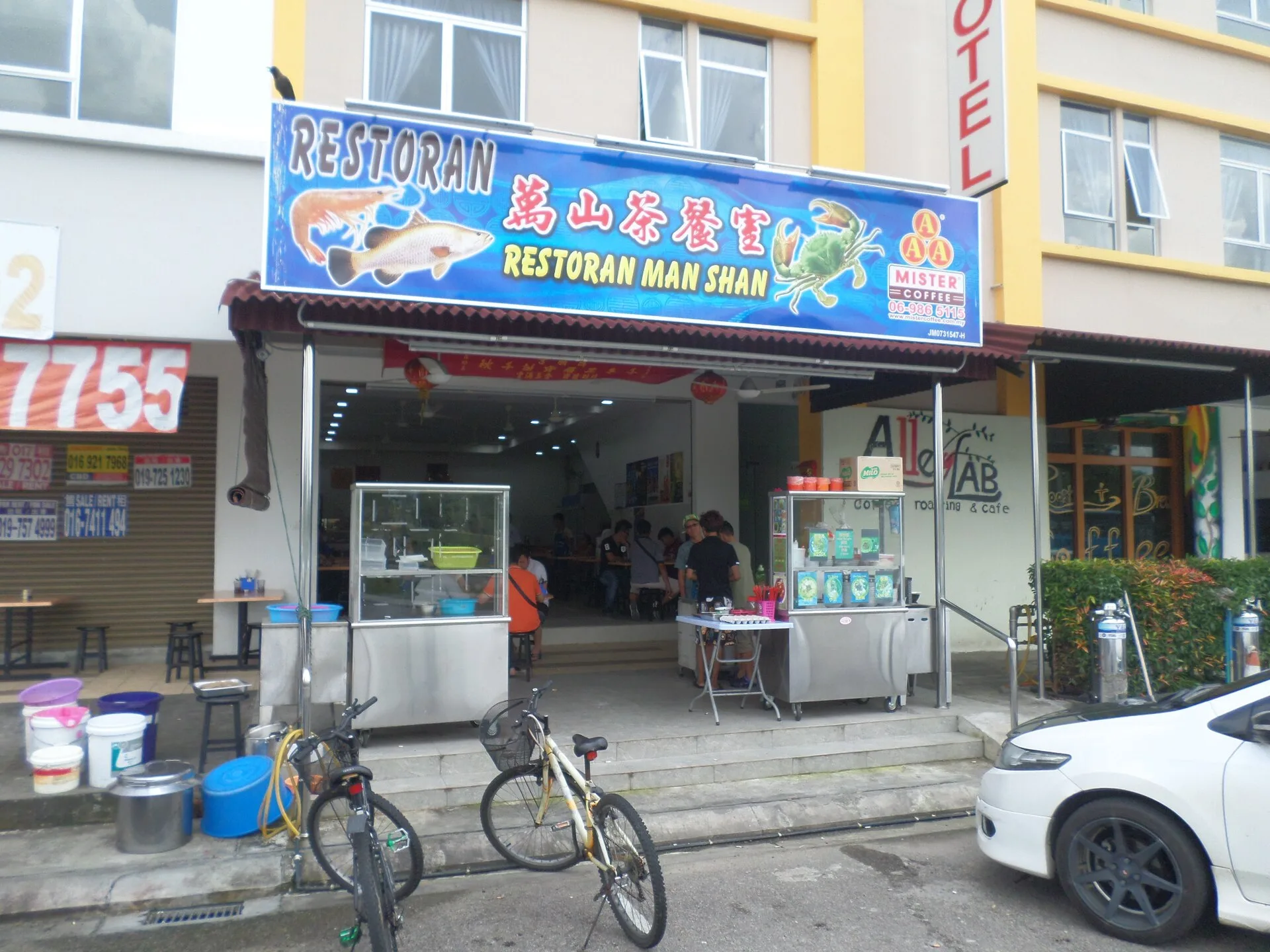
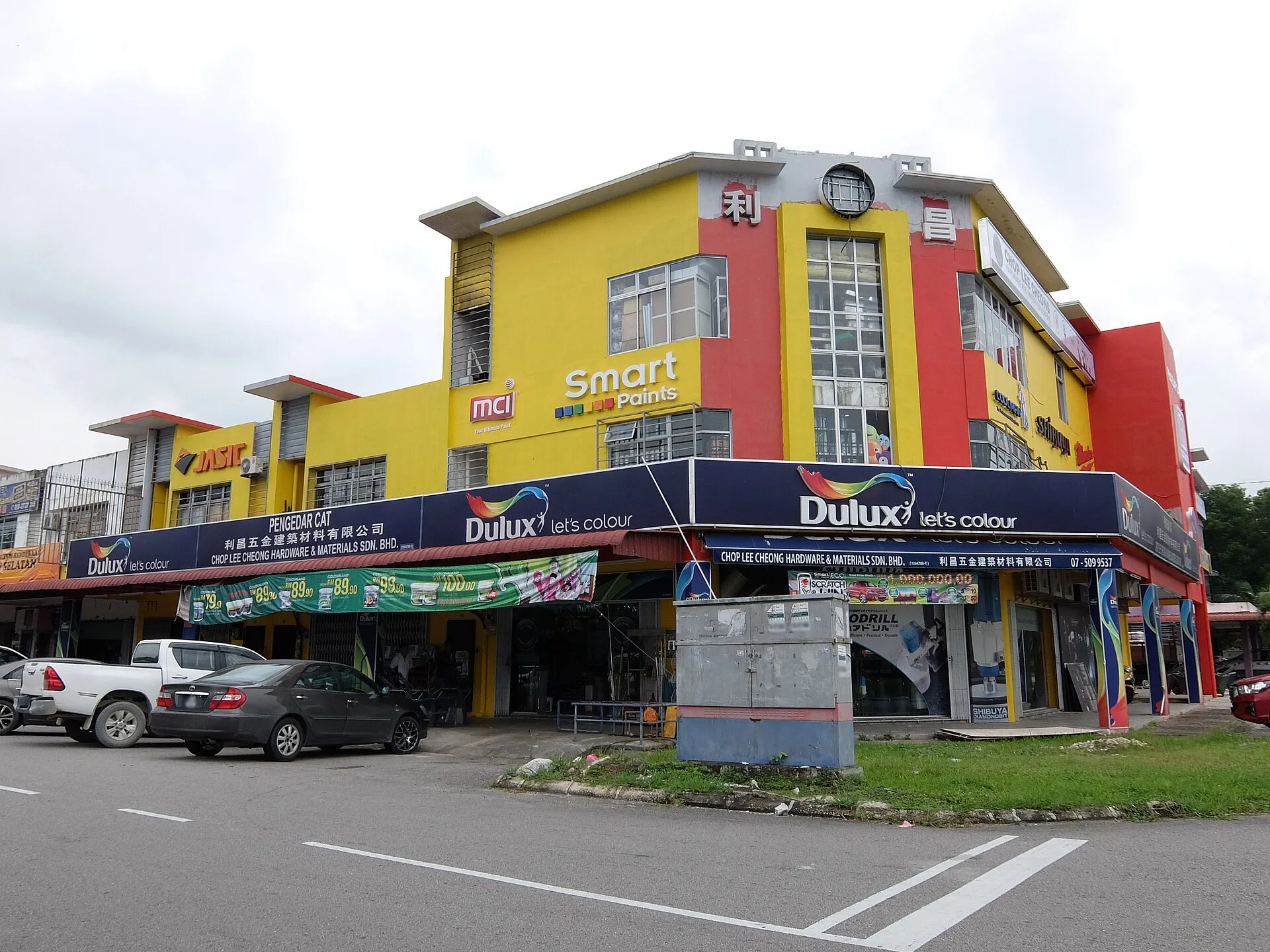
None of these photographs shows BEE or Taman Nusa Permata. They are of Gelang Patah, the town the development sits beside, reproduced from Wikimedia Commons under the licences credited on each one. When Faire releases site photographs I will put them here and say so.
Faire Development Sdn Bhd — one completed track record, and it is short
Company registration 202001010876 (1367196-P), from the company’s own site footer. The registration number tells you the company was incorporated in 2020.
Faire’s first project is Bae @ Bandar Dato’ Onn: 11.3 ha, 337 double-storey link houses, launched January 2024, priced RM800,000 to RM900,000, reported sold out within three months, completion expected end-2025. All of that is from The Star, quoting managing director Kenneth Lim, in July 2025.
RM800,000 to RM900,000 is the only price anchor in the public record, and it belongs to a different project, in a different district, launched two years earlier. It tells you what band this developer has sold in before. It does not tell you what BEE costs, and I am not going to present it as if it did.
The company describes roots going back over fifty years to Sin Soon Lee Realty, a developer in the Batu Pahat district. That is a claim about lineage, not about the company you would be contracting with. The entity on your sale and purchase agreement is the one you can pursue, and for new developments it is frequently a single-project subsidiary with a short history and a small balance sheet. Ask which company will sign, then look it up.
At the sales gallery opening, a Johor feng shui master gave a recorded speech praising the site and the developer’s prospects. He also said that he had invested in the development.
He disclosed it himself, which is to his credit, and I am recording it for the same reason: an endorsement from someone holding a position in the thing being endorsed is a different kind of statement from an independent one. Weigh it accordingly. It is not evidence of anything improper.
Questions worth asking about this one
Can a foreigner buy at BEE?
It cannot be determined from published information. The Johor floor for landed residential property bought by a non-citizen is RM2,000,000, and landed purchases additionally require state consent.
No price is published for any BEE type. The developer’s previous landed project sold at RM800,000 to RM900,000, which is far below the floor — but that was a different project and it is not evidence about this one. Ask for a price list by type. If the answer is below RM2,000,000, the question is closed.
Is this two projects or one?
One. Terrace and cluster are two of five house types in a single 503-unit gated scheme. Agency listings that show them as separate developments are indexing house types, not developments.
Why is there no advertising permit number on this page?
Because I could not read one. The developer’s per-type e-brochures are image-only PDFs with no machine-readable text, and no permit block appears on the web pages.
The permit is the document that governs. It carries the approved price range, the unit count, the completion date and the developer’s licence number — the four things this page has to attribute to a newspaper or leave blank. Ask for it, or search the KPKT TEDUH register yourself using the developer name and project name.
Five house types in one scheme. How do I compare them?
On land area first, because that is what a landed house is priced on and what the next buyer compares. The plots here run from 1,300 to 2,800 sq ft — more than a doubling across the range, so two houses in the same scheme can be very different purchases.
Then on position: corner and end lots carry a premium, and lots facing open space or backing onto a main road price differently again. Ask for the layout plan with lot numbers and which types sit where, rather than choosing from a type name alone.
The developer’s previous landed project sold at RM800,000 to RM900,000. What does that tell me about BEE?
Directionally something, evidentially nothing. It suggests the bracket this developer builds for, and that bracket sits far below the RM2,000,000 Johor landed floor a non-citizen must clear. But it was a different project, on different land, in a different year.
That is why this page prints no estimate. Ask for a price list by house type. If the figures come back below RM2,000,000, the foreign-buyer question is closed and nothing else here matters to you.
Plots from 1,300 to 2,800 sq ft. What actually changes across that range?
The house changes shape, not only size. At the lower end it is a terrace with a single car porch and rooms in a line. Toward the upper end there is room for a cluster or semi-detached arrangement, a second car, and windows on more than two sides — which changes ventilation, light and resale appeal.
Holding costs move with it: quit rent is assessed on the land, so a 2,800 sq ft plot costs more every year than a 1,300 sq ft one. Compare land area and built-up area together, both taken from the layout plan.
If the permit is not produced, what can I still verify myself?
Three things, none of which need the developer’s cooperation. Search the KPKT TEDUH register under the developer name and the project name — permit number, approved price band, unit count and completion date live there. Order a land search on the lot for tenure, proprietor and any restriction. And read lot dimensions off the layout plan rather than the brochure.
That is also the right order. If the register returns nothing under either name, it is not proof of a problem — but it does mean every figure you hold came from one interested party, and it should be priced that way.
Is 8.5 units per acre really low density?
For Malaysian landed housing, yes. But the figure is gross — it divides all 503 units by the whole 59-acre site, including roads, drains, open space and anything commercial. It is a comparison tool between schemes, not a description of your plot. Your plot is the 1,300 to 2,800 sq ft in the table above, and that number is exact.
What does “gated and guarded” commit the developer to?
Less than most buyers assume, and it is worth asking three things in writing. Who owns the roads after completion — a scheme where the roads are handed to the local authority is legally different from one where they stay private. Who pays for the guardhouse and patrols, and from which account. And what happens if residents later vote to stop paying. None of these are answered by the word “gated” on a brochure.
What I would ask for first
A price list by type, dated. Everything else on this page is already public; the price is the only thing missing, and it is the thing that decides whether you are eligible, whether you can borrow, and whether Type E is worth 115% more land.
Then the advertising permit number, and the name of the company that will sign your sale and purchase agreement.
Ask me for the price listLouis Koh · 11 years in Malaysian property
Every figure on this page is attributed to the source that published it. Where the developer has published nothing, this page says so rather than filling the gap from a listing site. Read how these pages are checked.
Explore related topics
Curated hubs, each with its own guide — not auto-generated tag archives.
Ask a specific question
If you would rather not use WhatsApp, use this. I answer them myself. Only your name and one contact method are required.
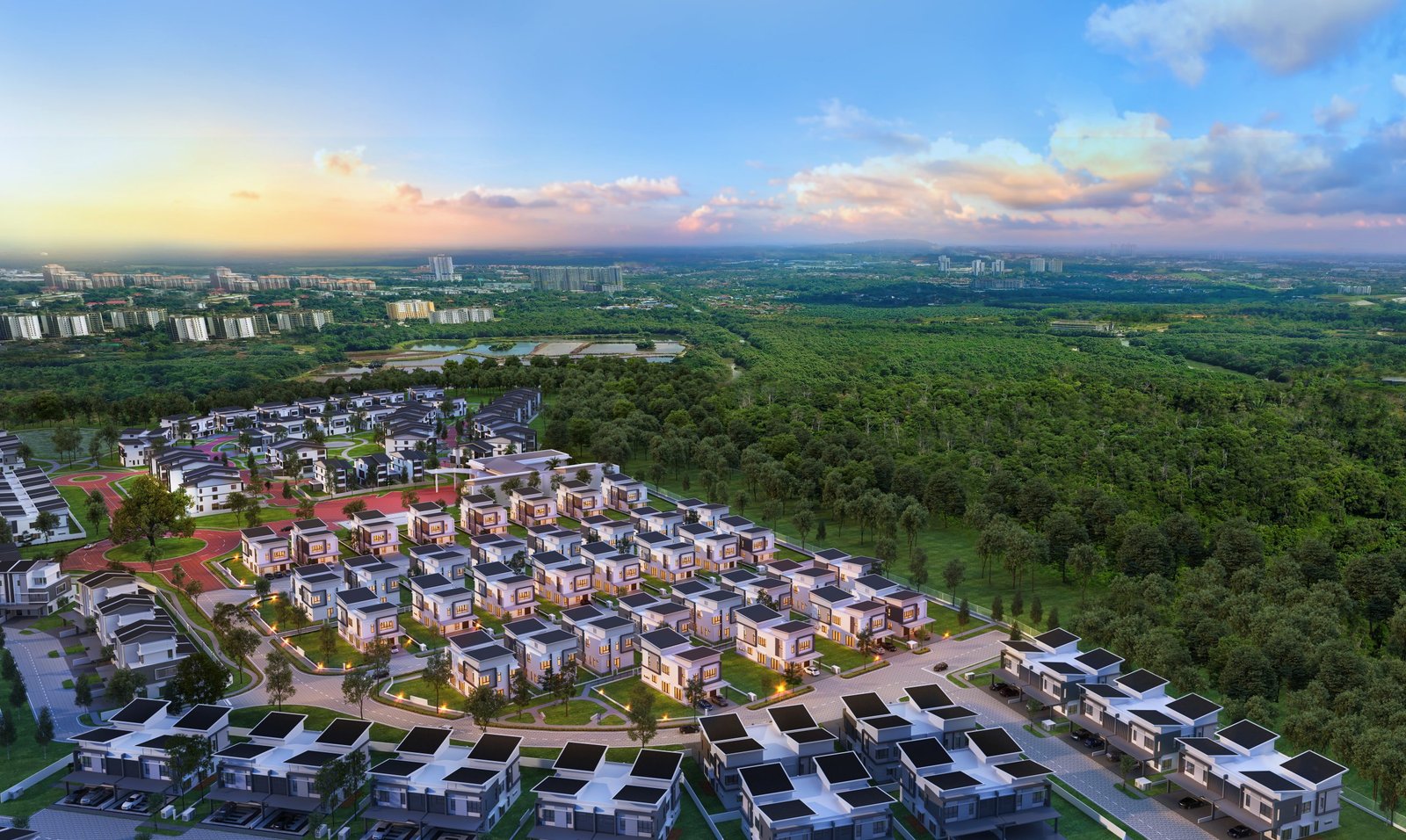
Developer: Faire Development (1 development on this site)
Where it is: Taman Nusa Permata, Iskandar Puteri, within Johor Bahru District, Johor
The unit mix, the permitted price and how far up it is
None of this table is the developer’s account of itself. It is what the Ministry of Housing and Local Government records from the 7(f) returns: unit type, bedrooms and bathrooms, built-up area, unit count, the price range on the permit, and the certified percentage complete. A brochure price can be revised; the price on the permit was filed. A brochure need not mention progress; the percentage is certified. The status vocabulary is theirs too: Lancar (on schedule), Lewat (behind), Sakit (sick), Terbengkalai (abandoned).
20183-3 · TAMAN NUSA PERMATA
Overall status: Lancar — on schedule
| Component | Bed / bath | Built-up | Units | Price on the permit | Complete |
|---|---|---|---|---|---|
| Rumah Kluster 3 storeys Lancar | 5 / 6 | 313 m² ≈ 3,369 sq ft | 112 | RM1,845,000.00 – RM2,596,000.00 | 20.71% |
| Rumah Berkembar 3 storeys Lancar | 6 / 7 | 351 m² ≈ 3,778 sq ft | 66 | RM2,339,000.00 – RM2,525,000.00 | 23.18% |
Swipe the table sideways for the rest of the columns.
This is the document the developer had to file, and the housing department had to approve, before it was allowed to advertise at all — served from the ministry’s own host. It normally carries the location plan, the developer licence and building-plan approval references, the expected completion date, the encumbrance position, and the unit count and price floor and ceiling for each type. The brochure a salesperson hands you can be reissued. This one cannot.
Read from teduh.kpkt.gov.my on 2026-09-26, project code 20183-3. Re-read weekly.
20183-4 · TAMAN NUSA PERMATA
Overall status: Lancar — on schedule
| Component | Bed / bath | Built-up | Units | Price on the permit | Complete |
|---|---|---|---|---|---|
| Rumah Teres 2 storeys Lancar | 4 / 4 | 166 – 216 m² | 325 | RM1,045,000.00 – RM1,639,000.00 | 20.48% |
Swipe the table sideways for the rest of the columns.
This is the document the developer had to file, and the housing department had to approve, before it was allowed to advertise at all — served from the ministry’s own host. It normally carries the location plan, the developer licence and building-plan approval references, the expected completion date, the encumbrance position, and the unit count and price floor and ceiling for each type. The brochure a salesperson hands you can be reissued. This one cannot.
Read from teduh.kpkt.gov.my on 2026-09-26, project code 20183-4. Re-read weekly.
What to do with the number. Read it against the delivery date in your own agreement, not against what a salesperson says. A project with a year left on its statutory clock and a third of the building up is telling you something the brochure will not.
How does that compare? Every development on this site, grouped by register status — cancelled, abandoned and behind schedule first.
No floor plan is reproduced on this page — but the drawings are findable
A floor plan is the developer’s copyright. This site does not mirror one and let you assume it is official. What it can do is send you to the drawing itself.
The advertisement the developer filed and the housing department approved normally carries the location plan and the unit count and price for each type. A salesperson’s brochure can be reissued. This one cannot.
The drawing that binds the developer is the one attached to your own sale and purchase agreement. Anything on any website is a reference copy — check the schedule to your contract before you sign.