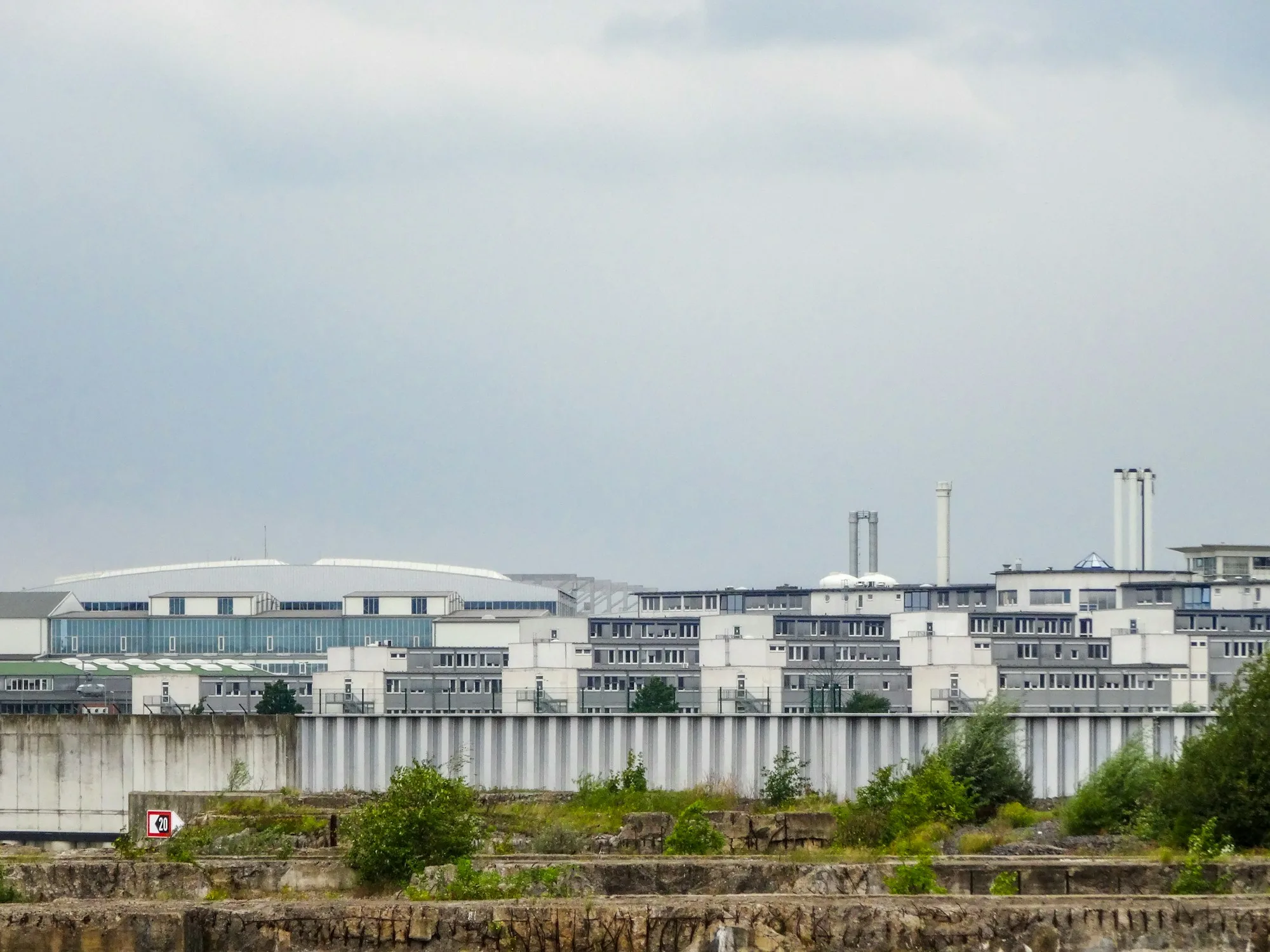
Iskandar Puteri / Gelang Patah / SiLC industrial property
Johor’s most expensive and most presentable industrial corridor. About 10–15 km to the Second Link, 15–20 km to the Port of Tanjung Pelepas, new park specification, real landscaping, international schools and upmarket housing alongside — this is where expatriate managers are most willing to move. The cost: the highest entry rent in Johor, and almost no cheap older stock to find.
⚡ Usually a reply within 15 minutes · 9am–10pm MYT · rent, buy, build or land
⚡ Iskandar Puteri / SiLC in one paragraph
This is Johor’s front-of-house industrial corridor: electronics, medical devices, food and pharmaceuticals, precision engineering, high-value logistics and regional distribution. Ready-built factories rent for roughly RM1.80–2.80 psf, industrial land runs roughly RM45–130 psf (mature SiLC and Nusajaya Tech Park land at the top). It buys you three things: the shortest Singapore commute, an export route through PTP, and a park your customers can audit you in.
The test: your team crosses daily, your customers audit on site, you need to hire expatriate managers → the premium pays back. Pure cost-driven contract manufacturing → the rent will eat your margin.
Twelve facts
In the order the decisions actually get made.
- Administrative area
- Iskandar Puteri, JohorSiLC, Nusajaya Tech Park, Gelang Patah estates, Tanjung Kupang
- Industry class
- Clean light to mediumPark guidelines generally exclude polluting activity — heavy industry does not belong here
- Primary logistics mode
- Sea via PTP plus land crossingsExports through PTP; daily people movement through the Second Link
- Air freight
- ModerateAbout 30 km to Senai Airport — better than Pasir Gudang, worse than Senai
- Standout advantage
- Closest to the Second LinkAbout 10–15 km, the shortest of any Johor industrial belt
- Typical tenure
- Mostly leaseholdSiLC and Nusajaya Tech Park are planned parks — verify by land search
- Rent, ready-built
- RM1.80 – 2.80 psfOlder Gelang Patah stock at the bottom; new SiLC specification at the top
- Industrial land
- RM45 – 130 psfMature SiLC approx. RM85–130; outer Gelang Patah RM45–75
- Foreign buyer floor
- RM3,000,000Johor minimum for commercial and industrial property
- Foreign levy, industrial
- 4% of property valueThe industrial rate; residential and commercial differ
- Living amenity
- Best of any Johor industrial beltInternational schools, hospitals, malls and quality housing within 10 km
- JS-SEZ
- Core flagship areaBut incentives follow the activity, not the address — confirm with MIDA
The six kinds of business that actually fit
An industrial address is a cost structure, not a postcode. The last card says who should not come.
Singapore companies opening a Malaysian plant
The classic buyer here. Management lives in Singapore or crosses daily, and the Second Link is 10–15 km away — 20 to 40 km closer than from other belts. Two trips a day, 250 working days a year: that is not convenience, it is a quantifiable payroll cost.
Medical devices, pharmaceuticals and food
What these three share: customers audit your site, regulations demand a clean environment, and the building itself is part of your credential. SiLC and Nusajaya Tech Park were specified for exactly this. Older estates do not pass that test.
Electronics and precision engineering
Cleanroom requirements, stable power, vibration control — and technicians who are willing to come to work. Housing quality here is high, so hiring engineers and managers is materially easier than elsewhere in Johor: a cost most operators ignore and all of them feel by year three.
Exporters shipping through PTP
The Port of Tanjung Pelepas is 15–20 km away and is Malaysia’s largest transhipment hub. Cargo bound for Europe or the US on mainline services enters the port 40–60 km sooner than from the eastern belts. Regional distribution centres cluster here for the same reason.
Operations that need to look like a headquarters
Combined office and plant, regional HQ with light production, R&D centres, after-sales hubs. The commercial fabric around Medini lets you put the office and the line at one address instead of renting two. When overseas customers visit, that matters.
Who should look elsewhere
Heavy industry, chemicals, anything needing a berth or tanks — park guidelines and title conditions generally will not allow it; see Pasir Gudang / Tanjung Langsat. Nor should pure cost-driven contract manufacturing: entry rent here is about 60% above Senai / Kulai, and what you buy with the difference is commute and frontage, not capacity.
🧭 Import or export?
Clearly export-oriented — electronics, medical devices and processed food leave through PTP or across the Second Link. Inputs tend to be high-value and low-volume, moving by container or air, with no dependence on bulk berths. That is a completely different structure from Pasir Gudang, where raw material and finished product both cross a bulk quay.
Does your team cross the border every day? That decides whether the rent is worth it
Daily crossings, customer audits, expatriate hiring — those three are what the premium buys. None of them, and you are paying for someone else’s frontage. Send me your situation and I will tell you in ten minutes.
WhatsApp me your situation Photo: Unsplash (illustrative)Distance is the only logistics argument that never expires
Indicative road distances — verify against your own plot.
A real, draggable map. The buttons below open Google Maps and calculate the actual route and drive time — open them at the hour you would really be dispatching or crossing.
Bearings and distances at a glance
We drew this ourselves: Iskandar Puteri at the centre, with six key destinations at their true bearing and distance. Each ring is 10 km — the Second Link and PTP sit in the two innermost rings while Johor Port is on the outermost, which is the whole positioning of this corridor.
- 🚧Second Link CIQShortest of any Johor industrial belt10–15 km
- 🚢Port of Tanjung PelepasMalaysia’s largest transhipment hub15–20 km
- 🏙️Johor Bahru city centreapprox. 25 km
- ✈️Senai International AirportFurther than Senai, closer than Pasir Gudangapprox. 30 km
- 🌉Causeway CIQNot the usual crossing from hereapprox. 35 km
- ⚓Johor Port (Pasir Gudang)approx. 45 km
- 🎓International schoolsThe question expatriate families actually ask5–12 km
⚖️ What the road wins and the sea loses
Road: 10–15 km to the Second Link, the shortest in Johor. For a company whose management crosses daily, the annual time saved covers the rent gap on its own.
Sea: PTP is close, but it is a transhipment port — local import and export container services and stuffing facilities are thinner than at Johor Port, and bulk, liquid and oversized cargo have no answer here at all.
First, what those rents actually buy
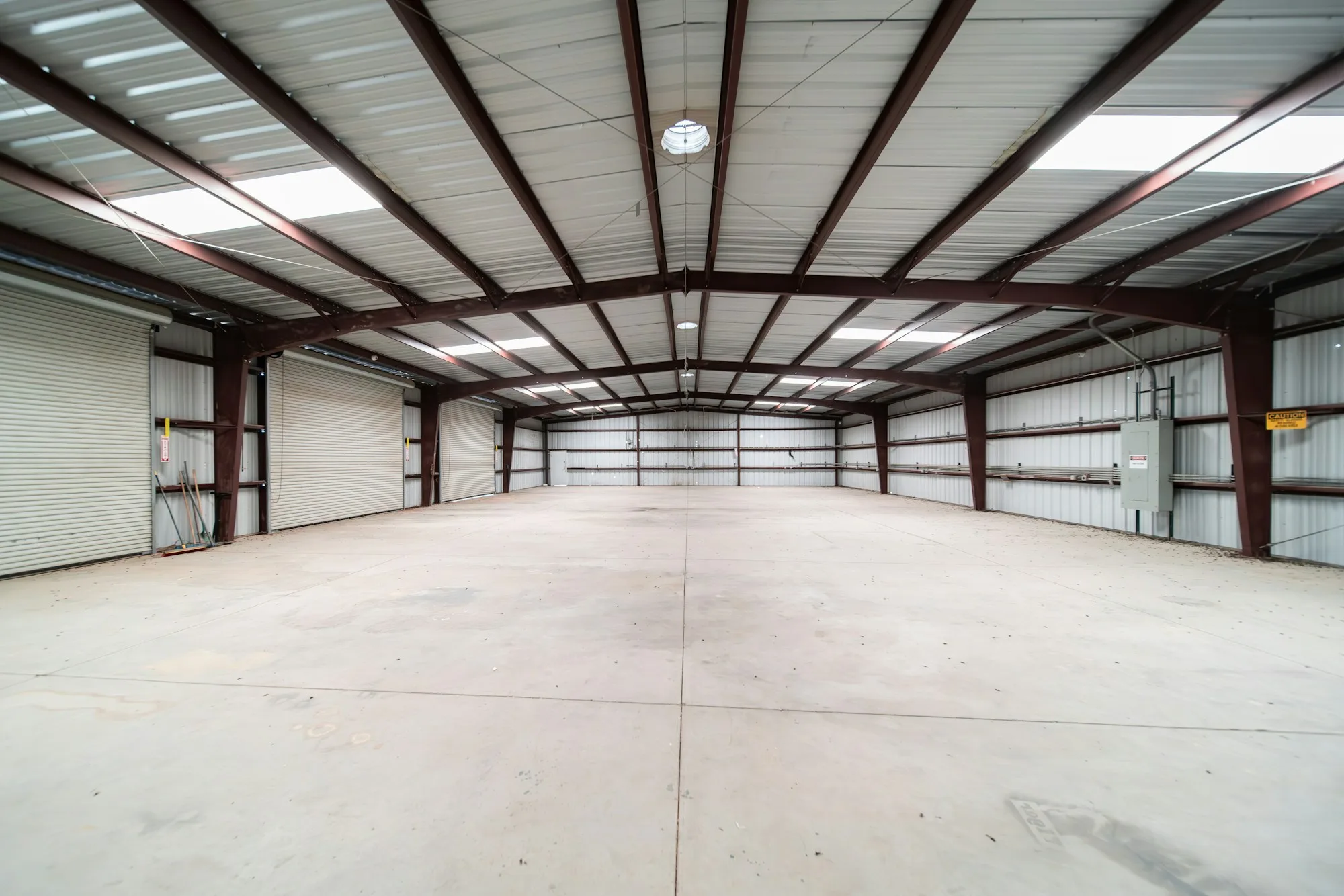
The rent and land figures below turn into one of these three buildings. All three are drawn to the same scale, with a 1.7 m person beside them — clear height and door count decide whether your machines and lorries fit, and that matters more than floor area.
Rents, sale prices and land
All figures are indicative asking bands from publicly advertised listings in this corridor. Asking is not transacted, and a single plot can sit outside its band.
1 · By product type — one card each
Rent is quoted per square foot of built-up area per month.
Terrace / link factory
Concentrated in the older Gelang Patah estate — one of the few places in this corridor with an entry price at all.
Semi-detached factory
Own side access and yard — the usual choice for electronics, precision engineering and light food processing.
Detached factory (SiLC / Tech Park)
What this corridor is known for: inside a planned park, uniform elevation, complete effluent and fire specification — nothing loses you points in a customer audit.
Modern warehouse / distribution centre
High clearance, full dock levellers, serving PTP exports and regional distribution. The firmest rents in the corridor.
Industrial land / open sites
Land here is mostly sold inside planned parks and comes with building guidelines — elevation, green ratio, completion deadlines. Read them before you price the plot.
Build-to-suit / buy land
For medical devices, pharmaceuticals and cleanroom electronics, an existing building almost never satisfies cleanliness class, effluent and regulatory requirements at once — buying land or build-to-suit is the norm.
Developers in the parks also offer build-to-lease, so you do not have to commit the capital up front.
Talk land and build-to-suit2 · Rent bands compared
Horizontal axis is rent per square foot per month.
⚠️ Note: there is no cheap option in this corridor
The important thing about that chart is not which bar is highest — it is that the whole chart is pushed to the right. The cheapest product here (RM1.80) is already more than 60% above the entry price in Senai / Kulai (about RM1.10). If your model is rent-sensitive, no row on this chart will save you — go and look at Senai or Masai instead.
3 · Vacant industrial land
The highest land tier in Johor, with a wide gap between planned parks and the older outer estates.
💡 Here, the land price gap buys guidelines
SiLC land costs more than double the older Gelang Patah estate, and the difference is not location — it is the park guidelines: uniform elevation, green ratio, centralised effluent, fire and security standards, and neighbours restricted to the same clean industries. Those guidelines are an asset for medical devices and pharma, and a pure burden for cost-driven contract work. Read the full guideline document before you buy — including completion deadlines and resale conditions.
4 · Estate by estate
Tenure below is what is commonly seen — never a substitute for a land search.
SiLC
The flagship park: fully planned, properly landscaped, dense with multinationals, and the highest industrial land tier in Johor.
Nusajaya Tech Park
A Malaysian and Singaporean developer joint venture offering land, build-to-suit and ready-built units to a consistent specification.
Gelang Patah industrial estate
One of the few places here with an entry price. Services are mature but the buildings are older and specification varies.
Tanjung Kupang area
Right by PTP, dominated by logistics and port-serving operations; large parcels are easier to find, living amenity is thin.
Medini
Not strictly industrial, but many operators put office and R&D here and the line in the park a few kilometres away.
PTP Free Zone
The free zone inside the port, for transhipment, bonded warehousing and re-export — a different regime from ordinary industrial land.
🕒 Bands compiled from publicly advertised listings in Iskandar Puteri, Gelang Patah, SiLC and Nusajaya Tech Park, cross-checked in 2026. Asking prices only — not valuations, not transacted prices, not an offer. Last reviewed 2026-09-06.
What Iskandar Puteri wins and loses
Advantages and weaknesses side by side, then when you should choose another corridor.
✓ Where it wins
- Closest to the Second Link in Johor: about 10–15 km, a large annual saving for teams that cross daily
- PTP 15–20 km away: the shortest run to a deep-water port for mainline exports
- Newest and tidiest park specification: elevation, landscaping, effluent and fire all planned — audits go better
- Best living amenity of any Johor industrial belt: international schools, private hospitals, malls and quality housing within 10 km
- Easier hiring: engineers and managers will live here, and expatriate families accept it most readily
- Multinational cluster: strong neighbours, and supply chain and talent circulate in the same circle
- Core JS-SEZ flagship area: the most policy attention in the state, with the longest-dated upside story
✕ Where it loses
- The most expensive corridor in Johor: entry rent about 60% above Senai, land more than double
- Almost no cheap older stock: the Gelang Patah estate is already the bottom tier, and there are no bargains below it
- No heavy industry: guidelines and title conditions exclude polluting activity; chemicals and tanks are simply out
- The guidelines constrain you too: elevation, extensions, resale and completion deadlines are all written down
- Living costs follow: housing rents and salary levels are higher — a real hidden cost in the budget
- No answer for bulk or oversized cargo: no berth, no tanks, no heavy-lift routes
- Weaker on air freight than Senai: about 30 km to the airport, against 2–8 km there
Choose Senai / Kulai
Cargo that flies, controlled entry cost, dense supporting trades. Rent from RM1.10 psf, roughly 60% below here.
See Senai / Kulai →Choose Pasir Gudang
Bulk liquids, chemicals, marine fabrication, heavy logistics — the port is at the gate, and Johor has no substitute.
See Pasir Gudang →Choose Masai / Seri Alam
No air freight need, no daily crossing, and every ringgit per square foot matters — entry rent from about RM1.00 psf.
Guide in progress — ask me directly🧭 The honest version
Iskandar Puteri is a premium-for-certainty corridor. The extra rent buys three specific things: commute time, audit pass rate, and hiring success. If none of the three matters to you, you are paying for someone else’s frontage — go to Senai or Masai, and I am not going to keep you here for the sake of a deal.
Six things to settle before you commit
🌏Can a foreigner or foreign company buy?
Yes, subject to three gates: Johor’s RM3,000,000 minimum for commercial and industrial property, a 4% foreign levy at the industrial rate, and state authority consent. Most foreign operators hold through a Malaysian Sdn Bhd.
✓ Get a Johor conveyancing lawyer to confirm your structure in writing before signing.
📋Park guidelines bind you harder than the title
SiLC and Nusajaya Tech Park both carry full guidelines: elevation, setbacks, green ratio, signage, extension approvals, building completion deadlines, even resale conditions. Plenty of buyers only discover after signing that they cannot add a warehouse.
✓ Get the complete guideline document before you buy and have your architect check it line by line against your plan.
⚡Power capacity and stability
Electronics and cleanroom operations are sensitive to voltage fluctuation. Overall supply planning here is better than in older estates, but existing capacity varies enormously plot by plot, and upgrading costs both time and money.
✓ Get TNB’s written existing capacity and upgrade quotation for that address — never an agent’s verbal assurance.
💧Effluent and cleanliness class
Pharmaceutical, medical device and food specifications are rarely met by an existing building; retrofit can run 30–50% of construction cost.
✓ Have your process consultant write the specification first, then go viewing with it — not the other way round.
🎓The real cost of expatriate staff
The reason hiring is easy here is that housing, schooling and healthcare are all premium — which also means higher housing allowances and salary levels. Put that in the budget.
✓ Price international school fees and residential rents once, properly, before setting the expatriate package.
📉Exit liquidity
The good news: the buyer pool here is the deepest in Johor industrial property — multinationals and institutions both look at it. The bad news: prices are already high, so your entry point, not your holding period, decides the return.
✓ For investment holding, work the yield properly before bidding — do not buy the appreciation story alone.
💡 The nationwide sections are on the Senai page
Company structure, Employment Pass thresholds, labour cost, tax and incentives (Pioneer Status, ITA, JS-SEZ, LMW), TNB tariffs, lease terms and financing constraints are national or state-level and apply equally here. They are written up in full on the Senai / Kulai page.
What is nearby, and what else to ask
Housing and hiring
Bukit Indah, Horizon Hills, Nusa Bestari and Gelang Patah town form the residential catchment, from high-end detached housing down to mid-priced terraces — the most complete range of any Johor industrial belt.
Worker accommodation
Mostly centralised labour quarters; on-plot hostels are more tightly restricted by park guidelines here. Under Act 446 as amended, a Certificate for Accommodation and minimum standards apply.
Roads and traffic
Linkedua, the NSE and the Coastal Highway interlock, so neither trucks nor staff traffic needs to enter Johor Bahru city — peak-hour pressure is lower than in the eastern belts.
International schools and healthcare
Marlborough College, Raffles American School and several private hospitals sit within 10 km. This is what expatriate families actually ask about, and it is this corridor’s hardest differentiator.
Commercial and daily life
The Bukit Indah commercial belt, AEON and Paradigm Mall cover malls, banks, clinics and dining — lunch and late shifts are both solved.
What the neighbours do
The biggest hidden asset here. On the viewing, look at what your neighbours make — a cluster of the same clean industries means the guidelines are actually enforced, and that your asset will not be dragged down by the unit next door.
✅ Five questions to ask on every viewing in this corridor
One: do the park guidelines permit your industry and your extension plan. Two: existing power capacity at that address and the upgrade cost. Three: effluent connection and the cost of retrofitting to your cleanliness class. Four: building completion deadline and default clauses (essential when buying land). Five: the real drive time at crossing hour — drive it yourself. All five matter more than the rent.
Why here, and not the corridor next door
This is the most expensive corridor in Johor, so the reason had better be concrete. These six things cannot be bought elsewhere at any rent.
10–15 km to the Second Link, the shortest in Johor
Tampoi is about 25 km, Tebrau about 35 km, Pasir Gudang about 45 km. Two crossings a day, 250 working days a year — that gap belongs in your payroll model, not in a brochure. For companies crossing at the Second Link, most of the rent premium comes back here.
Park guidelines hold your neighbours to the same standard
The most underrated point: the guidelines restrict them as well as you. Uniform elevation, green ratio, centralised effluent, clean industries only — which means no spray shop opens next door in five years. Older estates cannot promise that, and your asset value reflects the difference.
Nothing loses you points in a customer audit
Medical device, pharmaceutical and food customers come and look. Elevation, landscaping, effluent planning and visitor routing are themselves part of your credential. The same machines in an older estate can produce a different audit outcome — a very real difference that almost nobody writes down.
Expatriate families will genuinely move here
International schools, private hospitals and quality housing within ten kilometres. Send a general manager over and his family’s questions have answers here that they do not have in other corridors. This is not a nice-to-have — it is often the deciding vote.
The shortest run to PTP for mainline exports
The Port of Tanjung Pelepas is 15–20 km away and is Malaysia’s largest transhipment hub. Cargo bound for Europe or the US on mainline services enters the port 40–60 km sooner than from the eastern belts. That is exactly why regional distribution centres cluster here.
Core JS-SEZ flagship area, with the most policy attention
Iskandar Puteri sits at the heart of the flagship zone. Infrastructure spending, investment promotion and policy visibility all concentrate here, so the long-dated upside story is stronger than in outlying belts — but remember the incentives attach to activities, not to addresses.
🧭 The difference in one line
Other corridors sell production conditions — space, rent, supporting-trade density. Iskandar Puteri sells certainty: certainty of commute time, certainty of passing the audit, certainty of hiring the people.
Certainty is worthless to some businesses and priceless to others. Which one you are depends on whether your customers visit and whether your team crosses the border daily.
Rent is only the beginning: the cash you actually need
Prices here are high, so the cash requirement is too. Both cards below use this corridor’s real pricing, not a Johor average.
Renting 10,000 sq ft in a park
At RM2.30 psf for an in-park detached unit: RM23,000 a month on a three-year term.
The big variable here is the cleanroom: ISO 8 and ISO 7 can differ twofold, and medical device and pharmaceutical work almost always needs one. Have the process consultant write the specification before the contractor prices it.
Buying at RM6,000,000
Held through a Malaysian company with 70% financing — a typical price for an in-park detached building here:
Buying land here carries an obligation the other belts do not have: a building completion deadline. Park guidelines usually require you to start and finish within a set period, with penalties or even buy-back clauses. Read it before you sign.
⚠️ The 8% stamp duty question your lawyer must answer in writing
From 1 January 2026, transfer stamp duty for non-citizens (permanent residents excepted) becomes a flat 8%, replacing the 1/2/3/4% scale. Public material used to be inconsistent about whether industrial property was covered. Verified September 2026: the 8% covers residential property only. It sits in item 32(ab) of the Stamp Act 1949, inserted by the Finance Act 2025; industrial and commercial transfers stay on item 32(aa), a flat 4% for non-citizens. On a RM6m building a non-citizen buyer pays RM240,000, not RM480,000. Note too that the 1/2/3/4% scale is for Malaysian citizens only, so the RM224,000 figure does not apply to you. Johor’s separate 4% foreign levy on industrial property (from July 2025) sits on top: another RM240,000 on the same RM6m. With the unit prices here, it is the two 4% charges together — close to RM480,000 — that hurt, not the stamp duty alone.
While you are at it: the RM3,000,000 foreign buyer floor in the fact card above is the figure most often quoted for Johor, but published sources are not consistent about which band applies to industrial property (RM1m to RM3m all appear). Have your lawyer confirm that one in writing too.
Take your holding structure and the specific parcel to a Johor conveyancing lawyer for a written opinion before you negotiate price.
💡 And one more on the way out: RPGT
Real property gains tax tapers with holding period but never reaches zero for companies or foreigners: companies pay 30% in years 1–3, 20% in year 4, 15% in year 5, 10% from year 6; foreigners 30% for five years and 10% from year six. Prices here are already high, so entry point and exit year decide the return together.
From decision to production, how long
Two variables here that other corridors do not have: park design approval and cleanroom construction. Neither can be added afterwards.
Rent an existing building: 4–9 months
Plain assembly or warehousing compresses to four months. With a cleanroom and validation, plan on nine months minimum and budget the IQ/OQ/PQ time explicitly.
Buy land and build: 16–26 months
Building here is faster than in Pasir Gudang because infrastructure is in place and an EIA is usually not required — but there is an extra gate: park design approval before the council even sees your plans.
⏱️ Three moves that save real time here
One: confirm with park management at the viewing that your industry and your extension plan comply — plenty of people discover after signing that they cannot add a warehouse. Two: have the cleanroom process specification written before you go looking, and view buildings with the specification in hand, not the other way round. Three: run incorporation, bank account and EP applications in parallel while you are still viewing.
Three things a foreign operator must get right
These numbers go straight into your financial model, and they decide whether you can hold property in the company’s name at all.
Company structure
Most manufacturing categories allow a 100% foreign-owned Sdn Bhd.
Holding through a company versus an individual changes how the foreign threshold, the levy and state consent apply. Get this wrong and everything after it has to be redone.
Work passes
Thresholds rose sharply on 1 June 2026, for new applications and renewals alike:
This corridor runs a high proportion of expatriate staff, so the increase hits harder here than elsewhere. The old thresholds were RM10,000 and RM3,000 — any posting plan built on those needs rebuilding now.
Labour cost
Statutory monthly cost of a local employee:
Note for this corridor: living costs are high and actual pay runs well above the statutory floor, with engineers and technicians commanding more than in outlying belts. Budget on local rates, not a state average.
What you will actually pay
Read the standard rates first, then check whether you qualify — never the other way round, because most incentives attach to an activity, not an address.
- Standard corporate tax
- 24%applies to all non-SME companies
- SME rates
- 15% / 17% / 24%paid-up capital ≤RM2.5m among other tests
- Pioneer Status
- 100% statutory income exempt5 years, extendable to 10 if qualified
- Investment Tax Allowance
- up to 100% of qualifying capexset off against 70–100% of statutory income
- New manufacturing investment rates
- 0% – 10%, up to 15 yearsunder the National Investment Framework
- JS-SEZ
- special rate 5%, up to 15 yearsthis corridor is in the flagship core, but the activity list still governs
- Licensed Manufacturing Warehouse
- duty and sales tax exemption on inputs and machineryexport ≥80%, Customs approval required
- Manufacturing licence threshold
- RM2.5m shareholders’ funds or 75 full-time staffMIDA application required above the threshold
- Real property gains tax
- companies 30/20/15/10%foreigners 30% for five years, 10% from year six
💡 The most common misunderstanding in this corridor
Buyers assume that buying inside the JS-SEZ flagship zone earns the 5% rate. It does not. The low rate attaches to published high-value qualifying activities, not to the address. In the same building, a tenant doing a qualifying activity gets it and a general manufacturer does not.
Pioneer Status and ITA are also generally mutually exclusive. Take your MSIC code to MIDA for a written answer before you put any tax saving in the model — I have seen too many payback calculations built on an incentive the company never qualified for.
Power, park guidelines, leases and lending: four things routinely underestimated
Electricity and water
The big line for manufacturing. Malaysia moved to the RP4 tariff structure in July 2025:
Cleanrooms and temperature-controlled processes are the heavy consumers here. Take your load profile to TNB for a formal estimate rather than using the old single maximum-demand rate.
Park guidelines (specific to this corridor)
The hidden contract that deserves its own column:
The guidelines constrain your actual use more than the title does. Get the complete document before buying or taking a long lease and have your architect check it line by line against your plan.
Lease and sale terms
Local market convention, worth checking line by line before signing:
Leases here need particular care on reinstatement of cleanrooms and specialist fit-out — leaving it in place versus stripping back to shell can differ by six figures. Structural repair and fire compliance still need spelling out. From January 2026 tenancy stamp duty moved to self-assessment via e-Duti Setem on MyTax.
Financing
A foreign-owned company borrows on different terms from a local one:
The good news: standard specifications and a deep buyer pool mean valuations and loan terms here are usually better than in outlying belts. The catch is absolute size — at the same 70% margin, the equity you must find is much larger. Do not overlook that in the cash-flow plan.
Once you are here: what is around you and who to deal with
Local supporting supply chain
- Cleanroom contractors and validation: the highest density here, including IQ/OQ/PQ services
- Precision machining and jig making: serving electronics and medical devices
- Cleanroom consumables and packaging: routine demand for medical and electronics
- Third-party testing and calibration labs: essential for export certification
- Automation and machine vision integrators: an ecosystem the multinationals brought
- Cold chain and temperature-controlled logistics: food and pharmaceutical distribution
- Customs brokers and freight forwarders: right beside PTP and the Second Link
- Thin on heavy steel and piping: for that work you drive to Pasir Gudang
The agencies you will deal with
- Iskandar Puteri City Council (MBIP): planning, building plans, business licence, CCC
- Park management: elevation and layout approval, management charge, extension permits — a gate unique to this corridor
- Department of Environment Johor: emissions and effluent; mostly clean industries here, so the process is comparatively simple
- Fire and Rescue (Bomba): fire system approval and annual inspection
- DOSH / JKKP: machinery, pressure equipment and chemical registration
- TNB for power capacity; SAJ Ranhill for industrial water
- MIDA for manufacturing licence and incentives; Invest Johor at state level
- Royal Malaysian Customs: the LMW regime
- NPRA (pharmaceuticals) / MDA (medical devices): if that is your sector, these come before the land question
✅ The right order in this corridor
Read the park guidelines early, but read the product regulations earlier. For medical devices or pharmaceuticals, settle the MDA or NPRA facility and quality-system requirements first — they dictate what building specification you actually need. Then park guidelines, TNB capacity and a preliminary Bomba view.
Nine things people ask once they have decided
None of these appear in an investment brochure, and every one becomes a real cost after you sign.
🌊One · flooding and drainage
Most of this corridor is planned park, so drainage is generally better than in older estates — but individual low-lying plots still need checking.
✓ Ask for the drainage plan and history for that parcel; do not skip it just because the park is new.
🔒Two · security
Parks here run centralised guarding and access control, so security is a relative strength — a real plus for expatriate families.
✓ Confirm guarding hours and access control, and how night-shift staff get in and out.
🌐Three · connectivity
Fibre coverage is good, making this the most data-friendly industrial belt in Johor for data-heavy work and remote collaboration.
✓ Still confirm available plans and redundant-route options at that exact address.
⚡Four · outages and backup
Losing power in a cleanroom or a temperature-controlled process is expensive, so UPS and generators are necessities here, not options.
✓ Confirm the generator plinth and diesel storage approval, and budget the backup properly.
☀️Five · rooftop solar
Roof conditions are good, but park guidelines often govern appearance, so a PV installation may need extra approval.
✓ Ask park management and the owner first, the PV contractor second — the other order wastes a design.
🎓Six · where the skills come from
One of this corridor’s strengths. Engineers and managers will live here, but pay levels are correspondingly higher and multinationals compete hard for the same people.
✓ Benchmark key roles against the multinationals in the same park and budget for retention.
🏡Seven · expatriate family life
International schools, private hospitals and quality housing within ten kilometres — the hardest differentiator this corridor has.
✓ Price school fees and residential rents properly before setting the package; these are the biggest hidden costs here.
🏭Eight · what the neighbours do
The hidden asset here: the guidelines are enforced and neighbours are the same class of clean industry, so your asset is not dragged down by the unit next door.
✓ On the viewing, look at what your neighbours make and how their sites look — the best test of whether guidelines are actually enforced.
🌱Nine · expansion room and ESG
Plots are regular but extensions are guideline-constrained, and multinational ESG and carbon audits arrive here earliest.
✓ When buying land, work out where future expansion goes within the permitted coverage, and start auditable energy and waste records from day one.
Which kind of buyer are you?
The same corridor is a completely different proposition depending on who you are. Find yourself below.
For a team that crosses daily, the time saved here is the most direct benefit. Start with existing buildings in SiLC and Nusajaya Tech Park, and plan management housing at the same time — many Singaporean owners end up living in Johor and stop crossing daily altogether.
Customers audit, regulation demands cleanliness, and the building is part of the credential. Go straight to build-to-suit or buying land — an existing building rarely satisfies cleanliness class, effluent and regulatory requirements at once.
You need stable power, vibration control and engineering talent. Confirm existing power capacity and upgrade lead time first — far more important than a few sen on the rent.
Combined office and plant, R&D centres, after-sales hubs. Consider putting the office in Medini and the line in the park — a few kilometres apart, and very practical when overseas customers visit.
The deepest buyer pool in Johor industrial property, so exit liquidity is good. But prices are already high — work the yield before you bid rather than buying the appreciation story.
Entry rent is about 60% above Senai, and what the difference buys is commute and frontage, not capacity. Go straight to Senai / Kulai or Masai.
Iskandar Puteri / SiLC FAQ
What industry class is this corridor?
Mainly clean light and medium industry: electronics, medical devices, pharmaceuticals, food, precision engineering and high-value logistics. Park guidelines generally exclude polluting activity — chemicals, tank storage and heavy industry belong in Pasir Gudang.
What does a factory rent for?
Indicatively: terrace and link units RM1.80–2.20 psf per month, semi-detached RM2.00–2.50, modern warehouse RM2.20–2.80, in-park detached RM2.30–2.80. Publicly advertised asking bands, not transacted rents.
What does industrial land cost?
Roughly RM45 to RM130 psf. Mature SiLC land is highest (about RM85–130), the Gelang Patah estate around RM45–75, and outlying unconverted land lower but with a long approval path. The spread buys park guidelines and cluster, not just location.
Why is it so much more expensive than Senai?
Three concrete things: the shortest run to the Second Link, the newest park specification, and the best living and schooling amenity. If your team crosses daily, your customers audit you, and you hire expatriate managers, the premium pays back. If none of the three applies, do not pay it.
Is freehold available?
This corridor is predominantly leasehold — SiLC and Nusajaya Tech Park are both planned parks. Freehold is very scarce here. Confirm by land search rather than relying on marketing copy.
Can a foreigner buy a factory here?
Yes, subject to Johor’s RM3,000,000 minimum purchase price, a 4% foreign levy at the industrial rate, and state authority consent. Most foreign operators buy through a Malaysian company. Get written confirmation from a lawyer before paying a deposit.
I run heavy industry or chemicals — can I come?
Effectively no. Neither park guidelines nor title use conditions support it, and even if you found a plot, environmental approval and neighbour relations would cost you more than you saved. Go straight to Pasir Gudang / Tanjung Langsat — that is the right place for that operation.
Is it worth it as an investment hold?
The buyer pool is the deepest in Johor industrial property, with multinationals and institutions both active, so exit liquidity is good. But prices are already high, and the entry point matters more than the holding period — work the yield before you buy the appreciation story.
Six things the brochure will not tell you
A brochure will tell you about the international schools, the multinationals and the newest parks. These six are what I say out loud on a viewing, and what nobody writes down.
📋One · the guidelines bind you more than you expect
Elevation, materials, green ratio, setbacks, signage, extensions, completion deadlines, even resale conditions — these are contractual obligations, not suggestions. Plenty of buyers only discover after signing that they cannot add a warehouse.
✓ Get the complete guidelines before buying or taking a long lease and have your architect check them line by line.
🏗️Two · the building completion deadline carries penalties
Parks generally require you to start and finish within a set period, with financial penalties and in some cases buy-back clauses. This rarely comes up in a sales presentation.
✓ Align the completion deadline with when your funding actually lands; if that is uncertain, do not rush into land.
💸Three · the cost of living is hidden inside your payroll
Hiring is easy here because housing, schooling and healthcare are all premium. Which also means housing allowances, international school fees and overall pay run well above other corridors.
✓ Price school fees and residential rents properly before setting the package — the two largest hidden costs here.
🧾Four · buying in the SEZ does not earn you the 5% rate
This corridor sits in the JS-SEZ flagship core, so buyers assume the incentive is automatic. It is not. The low rate attaches to published qualifying high-value activities, not to the address. In the same building your neighbour may qualify and you may not.
✓ Take your MSIC code to MIDA for a written answer before any tax saving goes into your payback calculation.
🏭Five · cleanroom reinstatement can be a six-figure item
Leaving a cleanroom in place and stripping back to shell are very different numbers. If the lease is silent, the exit dispute regularly exceeds a year’s rent.
✓ Write the reinstatement obligation for specialist fit-out into the lease at signing, ideally with a scope list attached.
📈Six · prices are already high, so entry point beats holding period
The deep buyer pool and good liquidity here are real. But the price already reflects them — the upside is narrower than in the early years, and returns depend more on what you paid.
✓ For an investment hold, work the yield before bidding rather than buying the flagship-zone story.
🧭 Why I write this section at all
This is the most expensive of my eight corridors, so the costs deserve to be stated plainly. If you still decide to come knowing all six, that decision actually stands up — and most businesses genuinely suited to this corridor still do.
Iskandar Puteri not the fit? Here are the other seven
Every area page is written to the same structure: who it suits, industrial class, rent and land, distance to port and airport, surrounding amenities, total landed cost. Each chip carries the belt’s positioning and its entry asking rent — check the positioning first, the price second.
Tell me what you make, how it moves, and how your people get here
Send me three things: what you produce, whether your team crosses the border daily, and whether you want to rent, buy or build. I will come back with what is actually available in Iskandar Puteri / SiLC this month and what it really costs — and if this is the wrong corridor, which one is right.
Usually a reply within 15 minutes · 9am–10pm MYT