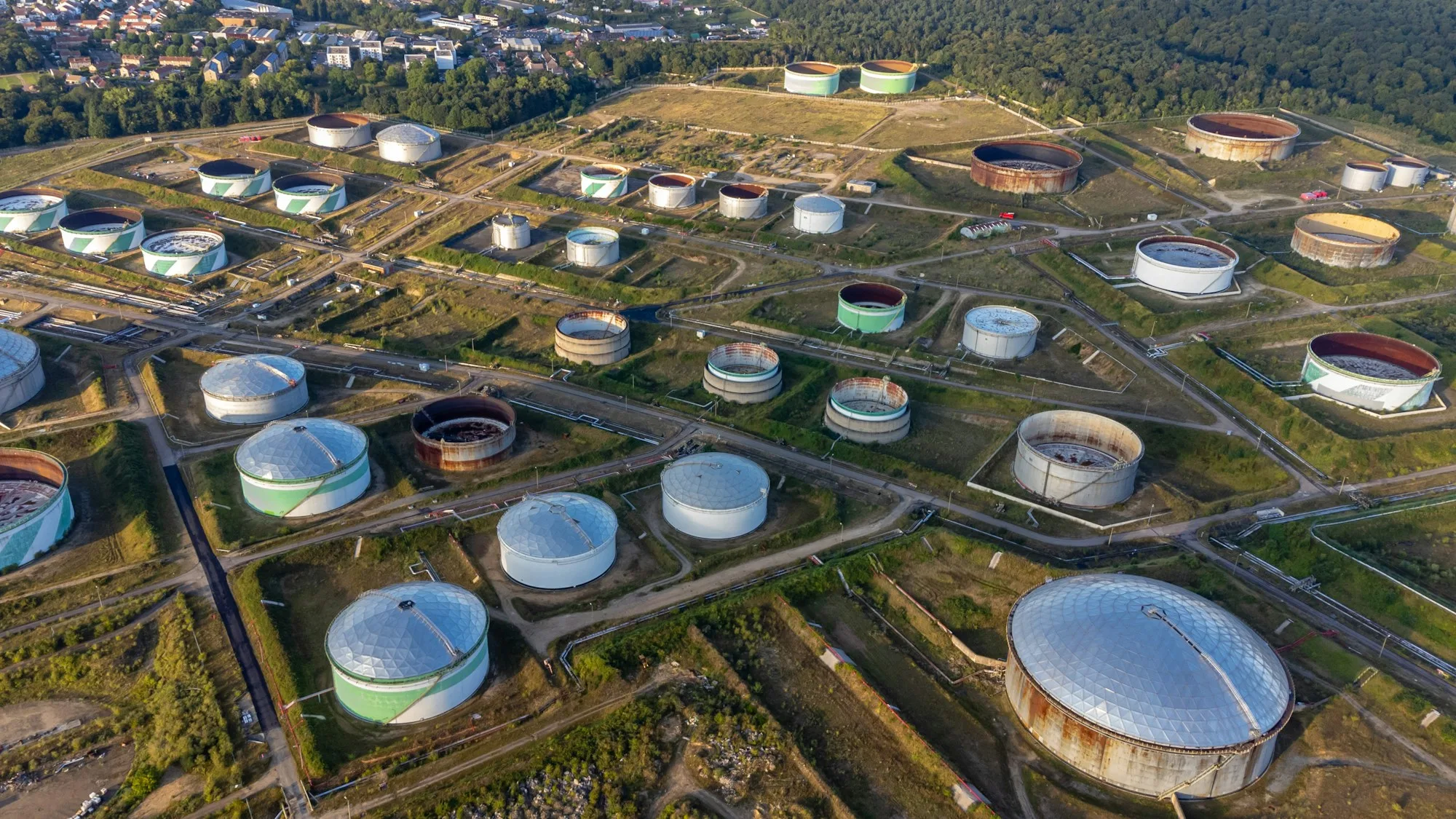
Pasir Gudang / Tanjung Langsat industrial property
The only Johor corridor where the port is at your gate. Johor Port sits 2–5 km from the estates, Tanjung Langsat adds a dedicated bulk-and-liquids port with tank farms, and a natural gas network runs through it — three things no other Johor corridor can offer. The cost: light industry gains nothing here, and environmental compliance is the tightest in the state.
⚡ Usually a reply within 15 minutes · 9am–10pm MYT · rent, buy, build or land
⚡ Pasir Gudang / Tanjung Langsat in one paragraph
This is Johor’s port and petrochemical corridor: oleochemicals, chemicals, tank farms, marine fabrication, steel and heavy logistics. Ready-built factories rent for roughly RM1.30–2.60 psf, industrial land runs roughly RM25–92 psf (mature Tanjung Langsat land at the top, and some of it freehold). It gives you three things nowhere else in Johor does: a deep-water port within 2–5 km, tank farms and jetty infrastructure, and a natural gas network.
The test is simple: cargo that needs a berth, tanks or gas → there is effectively no substitute. Light assembly or air freight → you are paying a port premium you never use.
Twelve facts
In the order the decisions actually get made.
- Administrative area
- Pasir Gudang City, JohorPasir Gudang estates, Tanjung Langsat, Cahaya Baru, Kota Puteri
- Industry class
- Medium to heavyOne of the few Johor corridors where title and ecosystem genuinely carry heavy industry
- Primary logistics mode
- Sea freightJohor Port (containers and break-bulk) plus Tanjung Langsat (bulk liquids)
- Air freight
- WeakAbout 45 km to Senai Airport — air-freight operations should not be here
- Unique to this corridor
- Natural gas networkFor process heat and steam industries, the pipeline itself is a siting reason
- Typical tenure
- Mostly leaseholdSome newer Tanjung Langsat parks advertise freehold — verify by land search
- Rent, ready-built
- RM1.30 – 2.60 psfOlder terrace at the bottom; large or gas-served detached at the top
- Industrial land
- RM25 – 92 psfMature Tanjung Langsat land approx. RM62–92; outlying parcels RM25–45
- Foreign buyer floor
- RM3,000,000Johor minimum for commercial and industrial property
- Foreign levy, industrial
- 4% of property valueThe industrial rate; residential and commercial differ
- Environmental compliance
- Strictest in JohorChemical cluster plus community sensitivity — DOE scrutiny is heaviest here
- JS-SEZ
- Inside a flagship areaBut incentives follow the activity, not the address — confirm with MIDA
The six kinds of business that actually fit
An industrial address is a cost structure, not a postcode. The last card says who should not come.
Oleochemicals and base chemicals
Tanjung Langsat holds a complete oleochemical cluster: feedstock, tank farms, shared jetties and a full bench of specialist contractors next door. If you are on that supply chain, being surrounded by it is the whole point of buying here. If you are not, you are simply paying its premium.
Anything that needs a berth or tanks
Bulk liquids, break-bulk, oversized equipment — being 2–5 km from a berth is a transport cost you can put in a spreadsheet, per trip, for the life of the operation. That is harder and more durable than any tax incentive, because it does not expire.
Gas-fired processes
Glass, ceramics, metal heat treatment, food drying, chemical reaction — anything running on gas rather than electricity. This is the most complete natural gas network of any Johor industrial area. On the viewing, ask directly: is gas in this street, where is the connection point, what does connection cost.
Heavy logistics and container operations
High-volume 3PL, haulage firms and container depots: every container saves roughly 40 km of inland haulage compared with the northern corridor. At volume that is a six-figure annual difference. Heavy vehicle routes are mature and never cross the city.
Marine fabrication and engineering services
Shipbuilding and repair, marine steel fabrication, oil and gas engineering services — the jetties, heavy lifting, skilled welders and inspection services are all here. Anywhere else in Johor, you lose on moving the fabricated piece out.
Who should look elsewhere
Light assembly, electronics, precision engineering, air-freighted high-value goods — you will pay the port premium and never touch the port. Those operations belong in Senai / Kulai (near the airport, entry rent roughly 15% lower) or Masai (cheaper again, and still serving this supply chain).
🧭 Import or export?
This corridor is heavy in both directions — imported feedstock (chemicals, crude oils, steel) and exported product (chemicals, oleochemical derivatives, fabricated steel) move across the same berths. That is a completely different structure from the export-and-air bias of Senai / Kulai. If your raw material arrives in bulk by sea, this is usually the answer.
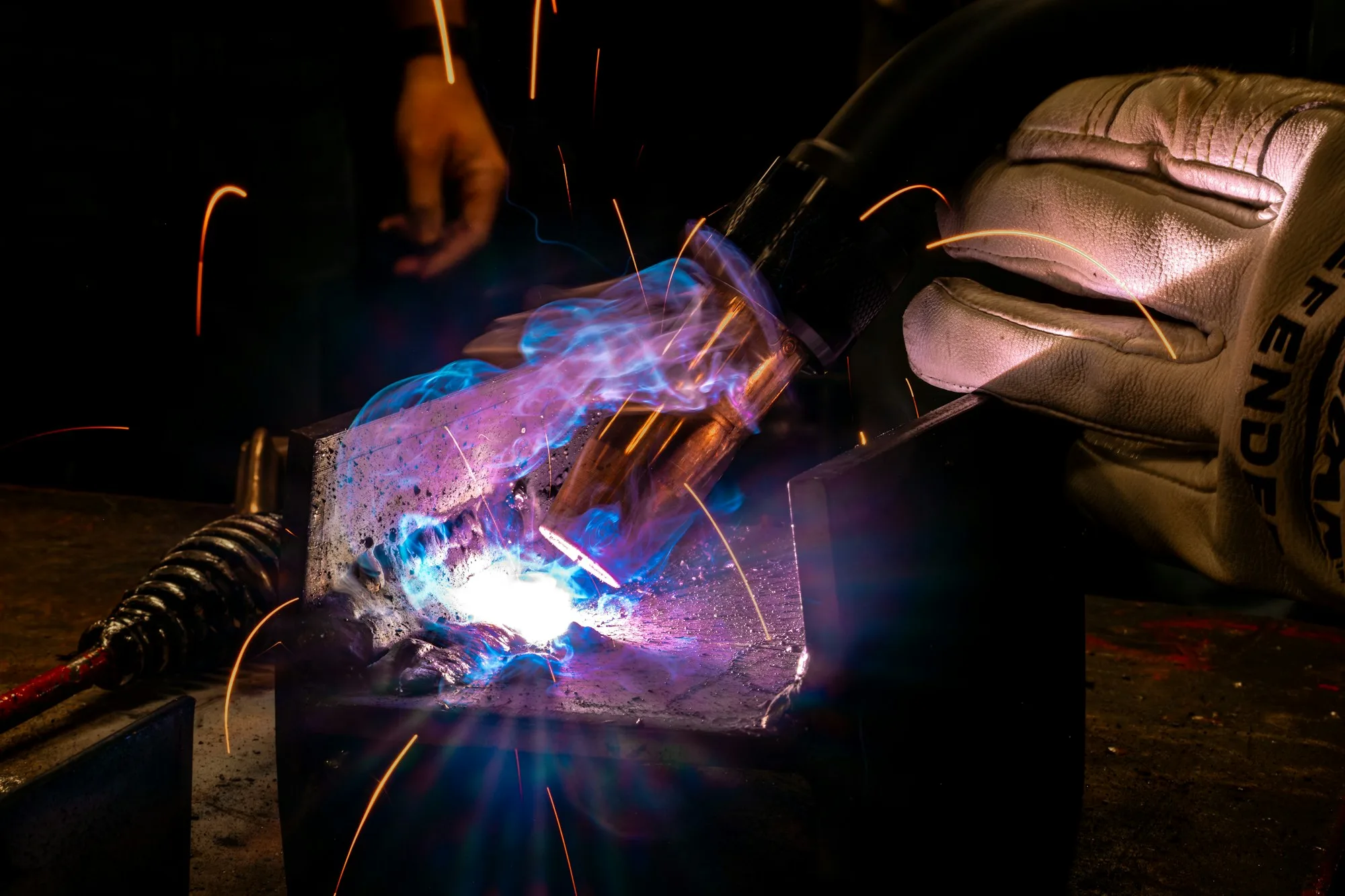
Does your cargo need a berth? That one question decides it
Berth, tanks or gas — there is effectively no substitute here. None of the three, and you are paying a port premium for nothing. Send me your freight profile and I will tell you in ten minutes.
WhatsApp me your freight profile Photo: Unsplash (illustrative)Distance is the only logistics argument that never expires
Indicative road distances — verify against your own plot.
A real, draggable map. The buttons below open Google Maps and calculate the actual route and drive time — open them at the hour you would really be dispatching.
Bearings and distances at a glance
We drew this ourselves: Pasir Gudang at the centre, with seven key destinations placed at their true bearing and distance. Each ring is 10 km — you can see at once that Johor Port sits almost on the centre, while the airport is on the outermost ring.
- ⚓Johor PortContainers and break-bulk2–5 km
- 🛢️Tanjung Langsat PortBulk liquids and oleochemicals10–15 km
- 🌉Causeway / JB CIQThe nearest crossing from hereapprox. 25 km
- 🏙️Johor Bahru city centreapprox. 25 km
- 🚧Second Link CIQTwice the distance of the Causewayapprox. 45 km
- ✈️Senai International AirportAir freight is the weak point hereapprox. 45 km
- 🚢Port of Tanjung Pelepasapprox. 60 km
⚖️ What sea freight wins and air freight loses
Sea: 2–5 km to a berth removes an entire inland haulage leg on both containers and bulk. At high volume that saving usually exceeds the rent difference against the northern corridor.
Air: about 45 km to Senai Airport, versus 2–8 km from Senai / Kulai. Light, urgent, high-value production choosing this corridor is adding a cost to itself.
First, what those rents actually buy
The rent and land figures below turn into one of these three buildings. All three are drawn to the same scale, with a 1.7 m person beside them — clear height and door count decide whether your machines and lorries fit, and that matters more than floor area.
Rents, sale prices and land
All figures are indicative asking bands from publicly advertised listings in this corridor. Asking is not transacted, and a single plot can sit outside its band for reasons only an inspection reveals.
1 · By product type — one card each
Rent is quoted per square foot of built-up area per month.
Terrace / link factory
Mostly older estate stock, occupied by small port-serving contractors and storage users.
Semi-detached factory
Own side access and yard; suits mid-sized fabrication and engineering firms serving the port and chemical cluster.
Detached factory — older stock
The main stock in the Pasir Gudang core. Specification varies widely by vintage; verify incoming supply and floor loading on site.
Large detached (gas-served / new)
The most expensive and most contested product here: large footprint, high loading, some already served by gas and steam lines.
Open yard / vacant land
Container depots, heavy equipment storage, tank farm sites. Fenced and surfaced commands the top of the band.
Build-to-suit / buy land
In heavy industry, buying land and building is the usual route — existing buildings rarely satisfy floor loading, gas, effluent and loading geometry all at once.
There is also a freehold industrial city under development in this corridor: vacant land, build-to-suit, or ready-built to buy or rent.
Talk land and build-to-suit2 · Rent bands compared
Horizontal axis is rent per square foot per month.
3 · Vacant industrial land
Mature Tanjung Langsat land is the top tier here, and one of the few places freehold appears.
⚠️ Here, the land price gap is mostly about what you can connect to
Within Tanjung Langsat itself, a plot already served by gas, with effluent connection and close to a berth can be double the price of an outlying plot nominally in the same estate. Ask three things before you price land: where the gas connection point is, which treatment plant the effluent goes to, and how far the nearest berth is. Those three do not set the land price — they set your operating cost for the next decade.
4 · Estate by estate
Tenure below is what is commonly seen — never a substitute for a land search.
Pasir Gudang Industrial Estate (Phases 1–5)
The mature core, closest to Johor Port; oldest stock, deepest support services.
Tanjung Langsat Industrial Complex
Oleochemical and bulk-liquid cluster with a dedicated port and tank farms; highest land prices in the corridor.
Alpha Austin Industrial Park
732-acre freehold medium and heavy industrial city — land, build-to-suit, or ready-built to buy or rent.
Cahaya Baru area
The cheaper outer option with room to expand — but you run the infrastructure and approvals yourself.
Kota Puteri industrial area
Smaller units close to housing, which makes hiring easier than in the core.
Johor Port Free Zone
The free zone inside the port, suited to re-export and bonded warehousing operations.
🕒 Bands compiled from publicly advertised listings in Pasir Gudang and Tanjung Langsat, cross-checked in 2026. Asking prices only — not valuations, not transacted prices, not an offer. Last reviewed 2026-09-06.
What Pasir Gudang wins and loses
Advantages and weaknesses side by side, then when you should choose another corridor.
✓ Where it wins
- The port is at the gate: Johor Port 2–5 km, Tanjung Langsat Port 10–15 km — containers and bulk both skip an inland leg
- Natural gas network: the most complete in any Johor industrial area; gas-fired processes have a different cost structure here
- Title carries heavy industry: bulk liquids, chemicals, tank farms — other corridors simply do not permit it
- Complete petrochemical and oleochemical cluster: feedstock, tanks, shared jetties and specialist contractors next door
- Mature heavy haulage routes: bridges and pavements engineered for industrial loads; no city crossing
- Among the closest belts to the Causeway: about 25 km, closer than Senai / Kulai
- Large parcels still available: outlying areas and the new industrial city both have whole plots to negotiate
✕ Where it loses
- No cost advantage for light industry: entry rent runs about 20% above Senai / Kulai at the entry level and you never use the port
- Air freight is the weak point: about 45 km to Senai Airport
- Toughest environmental compliance in Johor: chemical cluster plus community sensitivity means the longest DOE path
- Your neighbour may be a chemical plant: odour, noise, buffer zones, and shared exposure if something goes wrong
- Housing sits further from the plants: commuting cost is higher than the northern corridor and retention is harder
- Mostly leasehold: freehold is scarce, so financing and exit are less flexible than in Senai
- Far from the Second Link: about 45 km, so PTP exporters and daily Second Link crossers lose out
Choose Senai / Kulai
Cargo that flies, controlled entry cost, dense supporting trades. Rent from RM1.10 psf, roughly 40% below here.
See Senai / Kulai →Choose Iskandar Puteri
Daily Singapore crossings, export via PTP, modern park frontage and international schools nearby.
Guide in progress — ask me directlyChoose Masai / Seri Alam
Serving the Pasir Gudang supply chain while optimising on cost — entry rent from about RM1.00 psf, right next door.
Guide in progress — ask me directly🧭 The honest version
Pasir Gudang is a specialist corridor. On port access, gas and heavy-industry title it has no rival; on everything else — rent, air freight, hiring, tenure flexibility — Senai / Kulai beats it. It is not a better industrial area, it is a different-purpose one.
The decision is one line: does your operation need a berth, tanks or gas? If yes, there is effectively no substitute. If no, you are paying a premium you will never use.
Six things to settle before you commit
🌏Can a foreigner or foreign company buy?
Yes, subject to three gates: Johor’s RM3,000,000 minimum for commercial and industrial property, a 4% foreign levy at the industrial rate, and state authority consent. Most foreign operators hold through a Malaysian Sdn Bhd.
✓ Get a Johor conveyancing lawyer to confirm your position in writing before signing.
🌊Environmental approval is the critical path here
For chemical processes, tank storage or anything with emissions, DOE scrutiny in this corridor is the tightest and slowest in the state, and some projects require an environmental impact assessment. Community and regulatory sensitivity rose further after the 2019 Sungai Kim Kim incident.
✓ Take your process and emissions list to DOE before you negotiate land — reversing that order costs half a year.
🔥Gas connection must be confirmed separately
“There is gas in this area” is not “your plot can connect”. Ask for the connection point distance, pipe size and pressure, connection cost and lead time, and whether your consumption can be scheduled.
✓ Get a written connection assessment from Gas Malaysia rather than an agent’s assurance.
📜Tenure and residue
This corridor is predominantly leasehold, and the residue in years drives both financing margin and exit price. Freehold appears only in parts of newer Tanjung Langsat parks and is genuinely scarce.
✓ Residue, express conditions (heavy industry? chemical?) and restriction in interest all come off one land search.
⚓How you will actually use the port
“Close to a port” and “able to use the port” are different things. Shared jetty scheduling, dedicated berth rates and bonded warehouse location all belong in the cost model.
✓ Take your annual throughput to the port operator and agents and get a real quotation.
📉Exit liquidity
The buyer pool for heavy industrial assets is far thinner: custom tank areas, unusual floor loading, or buildings tied to a chemical licence need a buyer who happens to do exactly that.
✓ Decide who buys it in year seven before you buy; for investment holding, standard specification is safer.
💡 The nationwide sections are on the Senai page
Company structure, Employment Pass thresholds, labour cost, tax and incentives (Pioneer Status, ITA, JS-SEZ, LMW), TNB tariffs, lease terms and financing constraints are national or state-level and apply equally here. They are written up in full on the Senai / Kulai page.
What is nearby, and what else to ask
Housing and hiring
Bandar Seri Alam, Masai, Kota Masai and Permas Jaya are the main residential catchments, but they generally sit further from the plants than in the Senai corridor. Shift operations should budget for transport.
Worker accommodation
Centralised labour quarters operators work this corridor, and on-plot hostels are common. Under Act 446 as amended, a Certificate for Accommodation and minimum standards apply.
Roads and heavy vehicle routes
Pasir Gudang Highway and the EDL carry the traffic, and bridges and pavements are built for industrial loads. Heavy vehicles never need to cross Johor Bahru city — a real advantage of this corridor.
Commercial and daily life
Pasir Gudang town, Seri Alam and Permas Jaya cover malls, banks, clinics and dining; international schools around Seri Alam are closer than they are from Senai.
Flooding and ground level
Low-lying and riverside plots need the drainage plan and flood history. Plots near the estuary also need tide levels and bund confirmation — this matters more here than in inland corridors.
What the neighbours do
Especially important here: if the neighbour is a chemical plant or tank farm, confirm buffer zones, odour, and shared emergency response obligations. View on a working weekday in daylight: smell it, listen to it.
✅ Five questions to ask on every viewing in this corridor
One: gas connection point and cost. Two: which treatment plant the effluent goes to, and whether capacity exists. Three: distance to the nearest berth, shared or dedicated. Four: DOE’s existing position on your process. Five: what the neighbours make and what buffer restrictions apply. All five matter more than the rent.
Why here, and not the corridor next door
Johor has plenty of places to do industry. It has one place to do this industry. The six points below are things no other corridor can offer, even at the same rent.
The berth is not nearby, it is at the gate
Johor Port 2–5 km, Tanjung Langsat 10–15 km. Senai is 40–50 km from a port; Iskandar Puteri is 45 km from Johor Port. The same container leaves here with 40 km less inland haulage. At two hundred boxes a month, that is a six-figure annual difference.
The most complete gas network in Johor industry
The most overlooked advantage here, and the hardest to reproduce. For any process needing heat or steam — glass, ceramics, heat treatment, food drying, chemical reaction — running on gas rather than electricity is a different cost structure entirely. Other corridors have power; they do not have this pipeline.
Title and zoning genuinely carry heavy industry
Bulk liquids, chemicals, tank storage, hazardous goods warehousing — expressly excluded by the park guidelines in Iskandar Puteri, and crushed by residential complaints in the Tebrau belt. This is one of the few places in Johor where what you want to do is also what you are permitted to do.
The whole oleochemical chain is next door
Feedstock, tank farms, shared jetties, specialist contractors, testing labs, hazardous goods transport, tank cleaning — this is thirty years of accumulation, not three. An outsourced process step here is a fifteen-minute drive; in a new park, there may be two companies in the whole state who can do it.
Mature heavy vehicle routes that avoid the city
The Pasir Gudang Highway and the EDL were engineered for industrial loads — bridge capacity, pavement structure and turning radii were all built for container and heavy transport. The city-grade roads of the Tebrau belt cannot do this; trucks there often struggle even to turn at peak.
Closer to the Causeway than Senai
About 25 km — closer than Senai (about 40 km) and closer than Iskandar Puteri via the Causeway. People assume a port district must be remote; in fact this corridor is only about 25 km from both the city and the Causeway. The remote one is Tanjung Pelepas, not here.
🧭 The difference in one line
Other corridors sell convenience — near the airport, near your customers, near a crossing. Pasir Gudang sells capability — you can berth, you can connect gas, you can run heavy industry. Convenience can be bought with money; capability cannot. That is why rent here sits above Senai and there is still a queue.
Rent is only the beginning: the cash you actually need
This section answers the question foreign operators ask most and the internet answers least: from signature to first production, how much cash does it take. Both cards use this corridor’s real numbers.
Renting 10,000 sq ft
At RM1.80 psf for a detached unit here: RM18,000 a month on a three-year term. Everything payable before the door opens:
Two items exist here that do not elsewhere: a gas connection (six figures depending on distance and load) and effluent pre-treatment (effectively mandatory for chemical and oleochemical work). Get quotations for both before you sign.
Buying at RM3,000,000
Held through a Malaysian company (Sdn Bhd) with 70% financing. Cash required before completion:
One due-diligence item is worth paying for here: an environmental site assessment. Older chemical sites can carry soil or groundwater contamination history, and the liability follows the title.
⚠️ The 8% stamp duty question your lawyer must answer in writing
From 1 January 2026, transfer stamp duty for non-citizens (permanent residents excepted) becomes a flat 8%, replacing the 1/2/3/4% scale. Public material used to be inconsistent on this. Verified September 2026: the 8% covers residential property only. It sits in item 32(ab) of the Stamp Act 1949, inserted by the Finance Act 2025; industrial and commercial transfers stay on item 32(aa), a flat 4% for non-citizens. So on a RM3m factory a non-citizen buyer pays RM120,000 in transfer stamp duty, not RM240,000. One more trap: the 1/2/3/4% scale is for Malaysian citizens only — foreigners never get it, so do not budget from the RM104,000 figure. Johor’s separate 4% foreign levy on industrial property (from July 2025) sits on top: another RM120,000 on the same RM3m. The two together come to about RM240,000 — same number as before, entirely different source.
While you are at it: the RM3,000,000 foreign buyer floor in the fact card above is the figure most often quoted for Johor, but published sources are not consistent about which band applies to industrial property (RM1m to RM3m all appear). Have your lawyer confirm that one in writing too.
Do not decide this from what you read online. Take your holding structure (individual / local company / foreign-owned company) and the specific parcel to a Johor conveyancing lawyer for a written opinion before you negotiate price.
💡 And one more on the way out: RPGT
Real property gains tax tapers with holding period, but never reaches zero for companies or foreigners: companies pay 30% in years 1–3, 20% in year 4, 15% in year 5 and 10% from year 6. Foreigners pay 30% for the first five years and 10% from year 6. Decide your exit year before you buy.
From decision to production, how long
One thing separates this corridor’s timeline from every other: environmental approval is the critical path here, not a side process. Do it in the wrong order and you lose half a year.
Rent an existing building: 4–8 months
Plain warehousing or light processing with no emissions can compress to four months. Anything with process emissions must put the DOE step first.
Buy land and build: 18–30 months
Projects requiring an EIA stretch to 24–30 months overall. That part cannot be compressed — it can only be started earlier.
⏱️ Three moves that save real time here
One: take your process, feedstock and emissions list to Johor DOE for a pre-position before you negotiate land or lease — reversing that order typically costs six months. Two: run the Gas Malaysia connection assessment in parallel with lease negotiation, not after signing. Three: start company incorporation and bank account opening while you are still viewing; neither needs land or much money, and both are the classic bottleneck.
Three things a foreign operator must get right
These numbers go straight into your financial model, and they decide whether you can hold property in the company’s name at all.
Company structure
Most manufacturing categories allow a 100% foreign-owned Sdn Bhd.
Holding through a company versus an individual changes how the foreign threshold, the levy and state consent apply. Get this step wrong and everything after it has to be redone.
Work passes
Thresholds rose sharply on 1 June 2026, for new applications and renewals alike:
The previous thresholds were RM10,000 for Category I and RM3,000 for Category III. If your posting plan was built on the old numbers, rebuild it now.
Labour cost
Statutory monthly cost of a local employee:
Two more belong in this corridor’s budget: safety training and certification for hazardous work, and staff transport — housing sits further from the plants here, so company buses are effectively standard.
What you will actually pay
Read the standard rates first, then check whether you qualify for an incentive — never the other way round, because most incentives attach to an activity, not an address.
- Standard corporate tax
- 24%applies to all non-SME companies
- SME rates
- 15% / 17% / 24%paid-up capital ≤RM2.5m among other tests; first RM150k at 15%, RM150k–600k at 17%
- Pioneer Status
- 100% statutory income exempt5 years, extendable to 10 if qualified
- Investment Tax Allowance
- up to 100% of qualifying capexset off against 70–100% of statutory income
- New manufacturing investment rates
- 0% – 10%, up to 15 yearsunder the National Investment Framework
- JS-SEZ
- special rate 5%, up to 15 yearsonly for the published high-value qualifying activities
- Licensed Manufacturing Warehouse / free zone
- duty and sales tax exemption on inputs and machineryexport ≥80%; Johor Port Free Zone is also available here
- Manufacturing licence threshold
- RM2.5m shareholders’ funds or 75 full-time staffMIDA application required above the threshold
- Real property gains tax
- companies 30/20/15/10%foreigners 30% for five years, 10% from year six
💡 Worth asking about here specifically: Johor Port Free Zone
For re-export, transit and bonded storage, the free zone regime inside Johor Port may be worth more to you than any tax incentive — goods can be stored and handled without entering the domestic tariff area. That option does not exist in the other corridors.
Note the usual traps: Pioneer Status and ITA are generally mutually exclusive; the JS-SEZ rate attaches to a published activity list; LMW requires you to evidence the export share. Take your MSIC code to MIDA for a written answer before you put any tax saving in the model.
Power, gas, leases and lending: four things routinely underestimated
Electricity and water
The big line for manufacturing. Malaysia moved to the RP4 tariff structure in July 2025:
RP4 splits the bill into energy, capacity, network and retail components, and the maximum demand calculation has changed. Take your load profile to TNB for a formal estimate.
Natural gas (specific to this corridor)
The one cost line that deserves its own column here:
Gas in the area is not gas on your plot. Get a written connection assessment from Gas Malaysia for that address — pressure, pipe size, cost and lead time. An agent’s verbal assurance is not usable.
Lease and sale terms
Local market convention, worth checking line by line before signing:
Leases here need one extra clause: who carries environmental liability and any contamination history. Structural repair, fire compliance and reinstatement obligations still need spelling out. Note also that from January 2026 tenancy stamp duty moved to self-assessment via e-Duti Setem on MyTax.
Financing
A foreign-owned company borrows on different terms from a local one:
Watch this closely here: highly specialised assets — tank areas, special foundations, buildings tied to a chemical licence — get discounted by banks because they are hard to realise. Ask the bank what it will lend before you ask the owner what he will sell for.
Once you are here: what is around you and who to deal with
Local supporting supply chain
- Steel fabrication and pressure vessels: the highest density in Johor
- Piping, insulation and anti-corrosion: routine outsourcing for process plants, available on call
- Tank cleaning and non-destructive testing: specialist services concentrated in this belt
- Hazardous goods transport and storage: licensed fleets and warehouses
- Industrial laboratories and third-party inspection: export testing and process QC
- Heavy lifting and oversized transport: essential for moving equipment in and out
- Scheduled waste contractors: regulated waste must go to licensed operators
- Thin on precision machining and electronics: for that outsourcing you drive to Senai
The agencies you will deal with
- Pasir Gudang City Council (MBPG): planning, building plans, business licence, CCC
- Department of Environment Johor: emissions, effluent, scheduled waste, EIA — the critical one here
- Fire and Rescue (Bomba): fire system approval and annual inspection, stricter for chemical plants
- DOSH / JKKP: pressure vessels, lifting equipment, hazardous chemical registration
- TNB for power capacity; Gas Malaysia for gas connection
- SAJ Ranhill for industrial water; IWK or private for sewerage
- Johor Port authority and terminal operators: berths, quay operations, free zone
- MIDA for manufacturing licence and incentives; Invest Johor at state level
- Royal Malaysian Customs: LMW and free zone regimes
✅ The right order in this corridor
DOE always comes first. Take your process, feedstock, emissions and waste list to Johor DOE for a pre-position before you negotiate any land or lease. Then the Gas Malaysia connection assessment and a preliminary Bomba view. Those three answers set your cost and your timeline, and neither the agent nor the landlord can substitute for them.
Nine things people ask once they have decided
None of these appear in an investment brochure, and every one of them becomes a real cost after you sign.
🌊One · flooding and tide levels
This belt is coastal and low-lying, and estuary or waterfront plots also need tide levels and bunding checked — far more material here than inland.
✓ Get the drainage plan and flood history for that parcel; for waterfront plots, ask for tide data and bund height.
🔒Two · security
Heavy industrial areas are quiet at night and hold valuable material; scrap metal and cable theft is a genuine issue.
✓ Check perimeter, lighting, CCTV and guarding on the viewing, and plan separately for night shifts.
🌐Three · connectivity
Fibre is generally available around the port, but bringing it into an older estate unit still requires an application.
✓ Ask the telco for available plans and lead time at that exact address — do not assume industrial means connected.
⚡Four · outages and backup
A continuous process losing power loses more than output — it can lose the whole batch. Especially true for chemical and oleochemical work.
✓ Confirm whether the building has a generator plinth and diesel storage approval, and budget the backup.
☀️Five · rooftop solar
Roof areas here are large, but rooftop PV on chemical and hazardous-goods buildings faces fire and insurance restrictions.
✓ Ask your insurer and Bomba first, the PV contractor second — the other order wastes a design.
🎓Six · where the skills come from
What this corridor needs is welders, pipefitters, instrument technicians and process operators, not electronics assemblers. That pool exists locally but moves and is competitively paid.
✓ Benchmark trade wages against the large plants in this belt, not against other corridors.
🏡Seven · expatriate living
Housing and international schooling around Seri Alam and Permas Jaya is where expatriate families here usually settle — far more sensible than commuting from Senai.
✓ Visit the housing and the schools once before setting the expatriate package.
🏭Eight · what the neighbours do
The critical question in this belt. Neighbouring odour, noise, buffer restrictions and even incident risk affect you directly.
✓ View on a working weekday in daylight — smell it, listen to it — and check buffer zones and shared emergency obligations.
🌱Nine · expansion room and ESG
This is the belt under the most ESG pressure in Johor. Carbon and compliance audits from European and American customers often arrive before local regulation does.
✓ Reserve expansion land, and build auditable emissions and waste records from day one rather than retrofitting them.
Which kind of buyer are you?
The same area is a completely different proposition depending on who you are. Find yourself below — it is more useful than an average.
The tanks, quay, gas and permits you need exist together only here. Look at Tanjung Langsat first, and prioritise buying land and building — existing buildings rarely satisfy both your process and your compliance requirements.
Quays, heavy lifting, skilled welders and inspection services are all here. Focus on yard size and heavy-piece access — the building itself matters less than you think.
Forty kilometres of inland haulage saved per box, and it compounds with volume. Prioritise open yards and plots close to Johor Port — a small rent difference matters far less than ten kilometres of position.
Small firms serving the large plants. Terrace and semi-detached units here are fairly priced, but consider stepping back to Masai — lower rent, and your service radius barely changes.
Rents are steady and tenants are sticky, but the buyer pool for specialised assets (tank areas, special foundations) is very shallow. Buy the standard-specification building, not the one built to somebody’s measurements.
You would pay the port premium without using the port, accept tighter environmental scrutiny, and sit further from the airport. Go straight to Senai / Kulai or Masai.
Pasir Gudang / Tanjung Langsat FAQ
What industry class is Pasir Gudang?
Predominantly medium and heavy. It is one of the few Johor corridors where both title and ecosystem genuinely carry heavy industry: petrochemicals, oleochemicals, tank storage, marine fabrication, steel and heavy logistics. Light industry can operate here, but you pay the port premium without using the port.
What does a factory rent for?
Indicatively: terrace and link units RM1.30–1.80 psf per month, semi-detached RM1.50–2.00, older detached RM1.60–2.10, and large or gas-served detached RM2.20–2.60. These are publicly advertised asking bands, not transacted rents.
What does industrial land cost?
Roughly RM25 to RM92 psf. Mature Tanjung Langsat land sits at the top (around RM62–92, some of it freehold); outlying and unconverted parcels at the bottom. The spread is driven mainly by gas and effluent connection and distance to a berth.
Is natural gas available?
Yes, and this is the most complete gas network of any Johor industrial area. But “available in the area” is not “connectable on your plot” — connection point, pipe size and pressure, cost and lead time all need separate confirmation. Get a written assessment from Gas Malaysia.
Is environmental approval difficult here?
Harder than in other corridors. This is a chemical and petrochemical cluster with high community and regulatory sensitivity, and some projects require an environmental impact assessment. The right sequence is to take your process and emissions list to DOE first, then negotiate land — reversing it costs half a year.
Can a foreigner buy a factory here?
Yes, subject to Johor’s RM3,000,000 minimum purchase price, a 4% foreign levy at the industrial rate, and state authority consent. Most foreign operators buy through a Malaysian-incorporated company. Get written confirmation from a Johor conveyancing lawyer before paying a deposit.
I make electronics — should I be here?
Usually not. You need proximity to the air cargo terminal and to precision subcontractors, and both are in Senai / Kulai, where entry rent is also about 40% lower. I will point you there rather than sell you this.
Is freehold available here?
Yes, but it is scarce. The corridor is predominantly leasehold; freehold is concentrated in parts of the newer Tanjung Langsat parks — Alpha Austin Industrial Park, for example, is positioned as a freehold medium and heavy industrial city. Confirm by land search.
Six things the brochure will not tell you
An investment brochure will tell you there is a port, a gas network and a petrochemical cluster. These six are what I say out loud on a viewing, and what nobody writes down.
🌊One · after 2019, the sensitivity never went back
Following the Sungai Kim Kim incident, community and regulatory sensitivity to chemical operations here rose sharply and has not returned to what it was. That is not a bad thing, but it means your environmental approval will be slower, more detailed and more expensive than a decade ago.
✓ Build that into your timeline and budget; do not estimate approvals from older case studies.
🔥Two · gas in the area is not gas on your plot
The gas network is the line that appears in every promotional pitch, but connection point distance, pipe size, pressure and cost are what determine whether you can actually afford it. Connection can run into six figures over 8–24 weeks.
✓ Get Gas Malaysia’s written connection assessment for that address; an agent’s verbal assurance is not evidence.
🧪Three · contamination history follows the title
Plenty of chemical and oleochemical sites here have operated for decades. Liability for soil or groundwater contamination transfers with ownership — and nobody volunteers this.
✓ Commission an environmental site assessment before buying; it costs far less than the remediation you might inherit.
📉Four · exiting a specialised asset is harder than you think
Tank areas, special foundations, buildings tied to a chemical licence — banks discount the valuation and the buyer pool is very shallow. To sell, you need a buyer who happens to do exactly your business.
✓ Owner-occupiers can buy specialised; investment holdings should be standard specification.
🚌Five · you cannot skip the staff transport line
Housing sits further from the plants here than in the northern corridor, and public transport will not carry a three-shift operation. Buses, drivers and fuel are fixed costs here, not options.
✓ Show transport as its own line in the labour budget rather than borrowing another corridor’s model.
🌱Six · ESG audits arrive before local regulation does
This is the belt under the most ESG pressure in Johor. Carbon and compliance audits from European and American customers routinely land before Malaysian regulation requires anything.
✓ Build auditable emissions and waste records from day one — retrofitting them costs considerably more.
🧭 Why I write this section at all
Because you will meet all six sooner or later. Better to know now than to discover them after signing — and if you still decide to come, that decision actually stands up.
Pasir Gudang not the fit? Here are the other seven
Every area page is written to the same structure: who it suits, industrial class, rent and land, distance to port and airport, surrounding amenities, total landed cost. Each chip carries the belt’s positioning and its entry asking rent — check the positioning first, the price second.
Tell me what you make and how it moves
Send me three things: what you produce, whether you need a berth or gas, and whether you want to rent, buy or build. I will come back with what is actually available in Pasir Gudang / Tanjung Langsat this month and what it really costs — and if this is the wrong corridor, which one is right.
Usually a reply within 15 minutes · 9am–10pm MYT