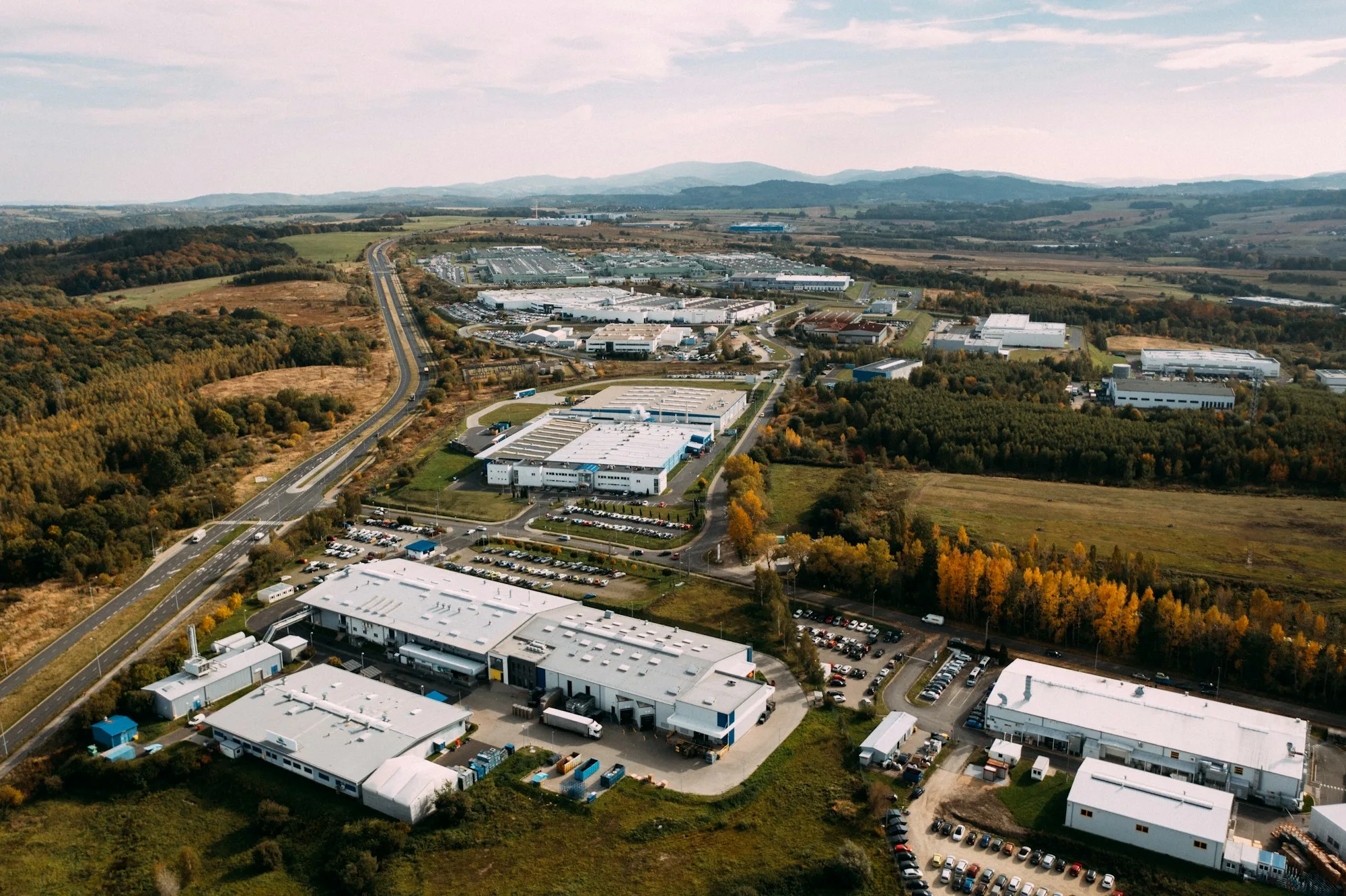
Senai / Kulai industrial property
This is Johor’s airport-and-highway corridor, not its port corridor. If your cargo flies, or moves by trailer up the North–South Expressway and across the Second Link, this is the cheapest place in Johor Bahru to sit close to both. If you ship heavy bulk or liquid by sea, Pasir Gudang serves you better — and this page will say so.
⚡ Usually a reply within 15 minutes · 9am–10pm MYT · rent, buy, build or land
⚡ Senai / Kulai in one paragraph
This corridor runs on light and medium industry: electronics and precision engineering, food processing, logistics and warehousing, plus the supply chain feeding the Sedenak data-centre cluster. Ready-built factories rent for roughly RM1.10–2.60 psf, industrial land runs roughly RM20–110 psf, and both freehold and leasehold exist — verified plot by plot. Its core advantage is that Senai’s cargo terminal and the North–South Expressway are on the doorstep. Its cost is that the ports are 40–50 km away, so every container carries an inland haulage leg.
So the test is simple: cargo that flies, or crosses to Singapore by road → this is the cheapest fit. Bulk, liquid or heavy seaborne cargo → look at Pasir Gudang.
Twelve facts
In the order the decisions actually get made: what the area is for, what it costs, and what a foreign buyer runs into.
- Administrative area
- Kulai district, JohorSenai, Kulai town, Indahpura, Seelong, Sedenak, Kelapa Sawit, Saleng
- Industry class
- Light to mediumHeavy and petrochemical sit in Pasir Gudang / Tanjung Langsat
- Primary logistics mode
- Air freight and roadSenai International Airport plus the NSE on the doorstep
- Sea freight
- Workable, not adjacentPTP and Johor Port are both roughly 40–50 km by trailer
- Typical tenure
- Both freehold and leaseholdVaries plot by plot — a land search is the only answer that counts
- Rent, ready-built
- RM1.10 – 2.60 psfOlder terrace units at the bottom, new high-clearance at the top
- Sale, semi-D factory
- RM2.0m – 3.5mRoughly 5,000–6,500 sq ft built-up on 8,000–10,000 sq ft of land
- Industrial land
- RM20 – 110 psfSmall freehold plots near the airport at the top; large outlying leasehold at the bottom
- Foreign buyer floor
- RM3,000,000Johor’s minimum for commercial and industrial property, per transaction
- Foreign levy, industrial
- 4% of property valueThe industrial rate; residential/commercial rate and its RM30,000 minimum differ
- State consent
- RequiredNon-citizen and foreign-controlled purchases need Johor state authority consent
- JS-SEZ
- Inside the zoneSenai–Skudai and Sedenak are both flagship areas — but incentives follow the activity, not the address
The six kinds of business that actually fit
An industrial address is a cost structure, not a postcode. Here is who gains from this one — and, at the end, who does not.
Electronics, EMS and precision engineering
High-value, low-weight output that flies rather than sails. Ten minutes from Senai’s cargo terminal takes real hours out of an airfreight cycle, and this corridor already holds a deep bench of machining, tooling, plating and PCB subcontractors — you can outsource a process step without putting it on a trailer for an hour. The strongest single fit here.
Logistics, 3PL and e-commerce fulfilment
Two NSE interchanges, the Senai–Desaru Expressway heading east, and a straight run to both land crossings into Singapore. For a distributor serving the southern region, this is the cheapest floor space that still reaches Singapore, PTP and Johor Port inside an hour off-peak. Measure peak-hour crossing times before committing to a same-day SLA.
Food processing and halal manufacturing
Land at RM20–70 psf makes effluent treatment, cold rooms and floor drainage affordable to build properly rather than retrofit badly. Kulai has an established food and agro-processing base and a labour catchment that lives locally. Confirm your discharge standard with DOE before you fix a plot — retrofitting a wastewater plant into a completed building is the most expensive mistake in this category.
Aerospace MRO and aviation supply chain
Senai is one of the few Malaysian airports with an aviation-industrial cluster attached rather than bolted on. If you need airside proximity, certification-driven turnaround, or a licensed hangar relationship, there is no comparable alternative in Johor. Airside and near-airside plots are limited and rarely on the open market — ask early.
The data-centre supply chain
Sedenak and its surrounds have drawn several hyperscale campuses. For most readers the opportunity is not building one — it is servicing them: electrical contracting, cooling, racks and cabling, fit-out, security, facilities management, spares warehousing. These tenants pay well and sign long leases. The flip side is in the risks section below.
Who should look elsewhere
Bulk liquids, chemicals, oleochemicals, heavy fabrication needing a jetty — you want Pasir Gudang or Tanjung Langsat, where the port, the storage and the specialist contractors already are. Cheaper land here plus a daily trailer run to a port is a cost you pay on every load, forever. I would rather tell you that now than sell you the wrong plot.
🧭 Import or export?
This corridor skews export — electronics, engineered components, processed food and furniture going out through air and through Singapore. Importers of bulk raw material generally do better nearer a port. If you do both, answer this first: which leg carries more weight per ringgit of value? That leg decides your address.
How this corridor differs from the rest of Johor
No adjectives in this section. Below is a side-by-side of three corridors and six verifiable structural differences — and if none of them matter to your operation, you should not be choosing this one.
| Comparison | Senai / Kulai | Pasir Gudang / Tanjung Langsat | Iskandar Puteri / SiLC |
|---|---|---|---|
| Factory rent (asking)This page and public listings | RM1.10 – 2.60 psf | RM1.30 – 2.60 psf | RM1.80 – 2.80 psf |
| Industry class | Light · medium | Medium · heavy | Light · medium |
| Dominant industries | Electronics and precision engineering, food processing, logistics, data-centre supply chain | Petrochemical, oleochemical, marine fabrication, bulk and heavy logistics | Managed modern parks, MNC tenants, export manufacturing and logistics |
| Logistics strength | Air freight + NSE | Deep-water port and berths | Second Link + PTP |
| To a Singapore crossing | approx. 30–35 km | approx. 25 km (Causeway) | approx. 10–15 km (Second Link) |
| To the nearest port | approx. 45 km | Johor Port is in the district | approx. 10–20 km (PTP) |
| Tenure | Freehold and leasehold both present | Mostly leasehold | Varies by park |
| Worker housing and amenity | Industry and housing grew together; staff live nearby | Mature housing, but further from the plants | New townships; higher cost of living |
| Best suited to | Light/medium manufacturing, air-freight shippers, controlling entry cost | Operations needing berths, tanks and heavy haulage | Daily Singapore crossings, exporting through PTP |
← Swipe to see the full comparison →
💰 The single clearest difference: entry cost
Iskandar Puteri / SiLC starts at RM1.80 psf and Pasir Gudang at RM1.30. Senai / Kulai starts at RM1.10. On the same 10,000 sq ft building that is RM84,000 a year against Iskandar Puteri, and RM24,000 against Pasir Gudang. The trade is being 40 km further from a port — so the answer depends entirely on whether your cargo flies or ships. If it flies, this corridor usually wins outright. On heavy container volumes it can go the other way.
The only belt in Johor with all four
An international air cargo terminal, two North–South Expressway interchanges, two Singapore crossings and two ports — all inside a 45-minute radius. Other Johor corridors each have a strength; none has all four together. If your logistics mix changes — you switch to air, or to the other crossing — you do not have to move the plant.
The airport is operating, not a concept
Senai handled roughly 80,000 tonnes of cargo in 2024, up 30.7%, against terminal capacity of about 100,000 tonnes a year; around 49 flights a day, 19 destinations, 6 airlines, including direct services to Guangzhou, Kunming, Ho Chi Minh City and Bangkok. For China-linked and Southeast Asian supply chains, those routes are themselves a siting argument.
Thirty years of supporting-trade density
Senai Industrial Park has been running since the 1990s, and the full chain sits here: tooling, CNC, sheet metal, plating, plastics, packaging, control panels. When a process step suddenly has to be outsourced, someone who can do it is fifteen minutes away. A new park cannot buy this with a rent discount — it only accumulates with time.
One corridor, two SEZ flagship zones
Of the Johor–Singapore SEZ flagship areas, both Senai–Skudai and Sedenak fall inside this corridor. Within one commuting radius you sit against two policy narratives at once — manufacturing and logistics, and digital economy and data centres. But incentives attach to activity, not address — confirm eligibility with MIDA, as noted earlier on this page.
Infrastructure spillover from the data centres
Hyperscale campuses arrive with grid upgrades, fibre backbone, road widening and international-grade contractors behind them. For electronics plants, R&D centres and automated lines needing stable power and low-latency connectivity, that is a real gain. The flip side is competition for capacity — covered plainly in the risk section. Read both.
A complete product ladder — you can grow in place
From a RM2,000-a-month terrace unit to a 200,000 sq ft new high-clearance warehouse, the whole range exists in this one corridor. That means growth does not force a move — and not moving means not retraining a workforce, not re-qualifying suppliers, and not running the council process again. The hidden cost of relocating usually dwarfs the rent difference.
What Senai / Kulai wins and loses, corridor by corridor
The previous section covered differences. This one covers trade-offs. First the advantages and the weaknesses of this corridor side by side, then what each of the other five Johor industrial belts wins and loses — and when you should choose them instead of here.
✓ Where Senai / Kulai wins
- Shortest air freight cycle: 2–8 km to the cargo terminal — light, urgent, high-value goods gain most here
- Most flexible road network: two NSE interchanges, north to KL, east to Desaru, south to both crossings
- Lowest entry rent: from RM1.10 psf, roughly 40% below where Pasir Gudang and Iskandar Puteri start
- Complete product ladder: RM2,000 terrace units through to 200,000 sq ft new warehouses — growth without relocation
- Dense supporting trades: thirty years of accumulation; an outsourced process step is fifteen minutes away
- Freehold is still findable: uncommon in Johor industrial land, and it finances and exits more easily
- Easier hiring and retention: industry and housing grew together; UTM and the vocational colleges are next door
- Policy overlap: both Senai–Skudai and Sedenak JS-SEZ flagship zones sit in this corridor
✕ Where Senai / Kulai loses
- 40–50 km from a port: on high container volumes you pay inland haulage on every trip — the real cost of this corridor
- Competition for grid capacity: hyperscale data centres absorb large blocks; a heavy load may not get the kVA it needs
- High share of older stock: much of Senai Industrial Park is 1990s build — low clearance, modest floor loading
- Further from the crossings than Iskandar Puteri: about 20 km more, which compounds for daily crossers
- Not for heavy industry: bulk liquids, petrochemical and anything needing a berth are not supported by title or by ecosystem
- Long approvals on outlying land: the cheap large parcels are usually unconverted, with earthworks behind them
- Labour is contested too: data-centre construction and new parks chase the same technicians and site workers
The other Johor belts: what each wins and loses
Rents are publicly advertised asking bands; some areas have thin samples and are indicative of positioning only.
Pasir Gudang / Tanjung Langsat
Wins on: Johor Port inside the district, berths and tank farms, titles that carry heavy industry, a complete petrochemical and oleochemical cluster, mature heavy haulage routes.
Loses on: entry rent about 20% above Senai at the entry level, distance from the airport, tighter environmental compliance, housing further from the plants; light industry gains no cost advantage here.
You need a berth, tanks, or bulk and liquid handling — or your container volume is high enough that inland haulage outweighs the rent gap.
Read the Pasir Gudang guide →Iskandar Puteri / SiLC
Wins on: closest to the Second Link and PTP, newest and tidiest parks, MNC cluster, international schools and upmarket housing alongside — expatriate managers are most willing to move here.
Loses on: most expensive of the three, higher living and labour cost, almost no cheap older stock, and expansion constrained by park specification.
You cross to Singapore daily, export through PTP, or your customers audit you on site and the park frontage matters.
Read the Iskandar Puteri guide →Tampoi / Kempas / Tebrau
Wins on: closest to the city and to customers, shortest run to the Causeway, an existing labour pool on the doorstep, the fullest amenity.
Loses on: small units, tight yards, almost no room to expand, aged stock, and truck movements that have to cross the city — painful at peak.
The operation is small, being close to city customers matters, and you do not need a large yard or heavy vehicle access — trading with light assembly, service businesses.
Masai / Seri Alam / Ulu Tiram
Wins on: entry pricing can go below Senai, close to the Pasir Gudang port complex, a deep local labour catchment, well suited to serving the port supply chain.
Loses on: no airport advantage, thinner supporting-trade density than Senai Industrial Park, further from the Second Link, some pockets are remote, and little new high-specification stock.
You serve the Pasir Gudang supply chain, you are optimising hard on cost, and you have no air freight at all — rents here really can undercut Senai, and I am not going to pretend otherwise.
Read the Masai guide →Tanjung Pelepas / Tanjung Bin
Wins on: deep-water port and transhipment hub, free zone status, suited to transhipment-linked logistics and heavy industry needing deep water.
Loses on: far from both the city and the airport, weak commercial and living amenity, labour and supporting trades largely have to be brought in, unsuited to small and mid-sized manufacturing.
Your operation is tied to transhipment, free-zone warehousing or a deep-water berth. Without one of those three, there is no reason to be here.
Read the Tanjung Pelepas guide →Six lines to decide
Air freight, controlled entry cost, dense supporting trades → Senai / Kulai
Berths, tanks, bulk liquids → Pasir Gudang
Daily crossings, export via PTP → Iskandar Puteri
Small operation, close to city customers → Tampoi / Kempas
Hard cost optimisation, serving the port → Masai / Seri Alam
Transhipment, free zone, deep water → PTP / Tanjung Bin
🧭 The honest version
Senai / Kulai does not win on every measure. On port distance, Pasir Gudang wins. On crossing distance, Iskandar Puteri wins. On absolute lowest rent, Masai can undercut it. What it wins on is the composite — air freight, road network, supporting trades, cost, product range and tenure choice are all above the pass mark at once, and none of them is bad enough to block you.
So the question is not “which corridor is best”. It is “which single factor would break my operation if it failed”. Tell me that one, and the answer usually takes ten minutes — and if the answer is not Senai, I will point you where it is.
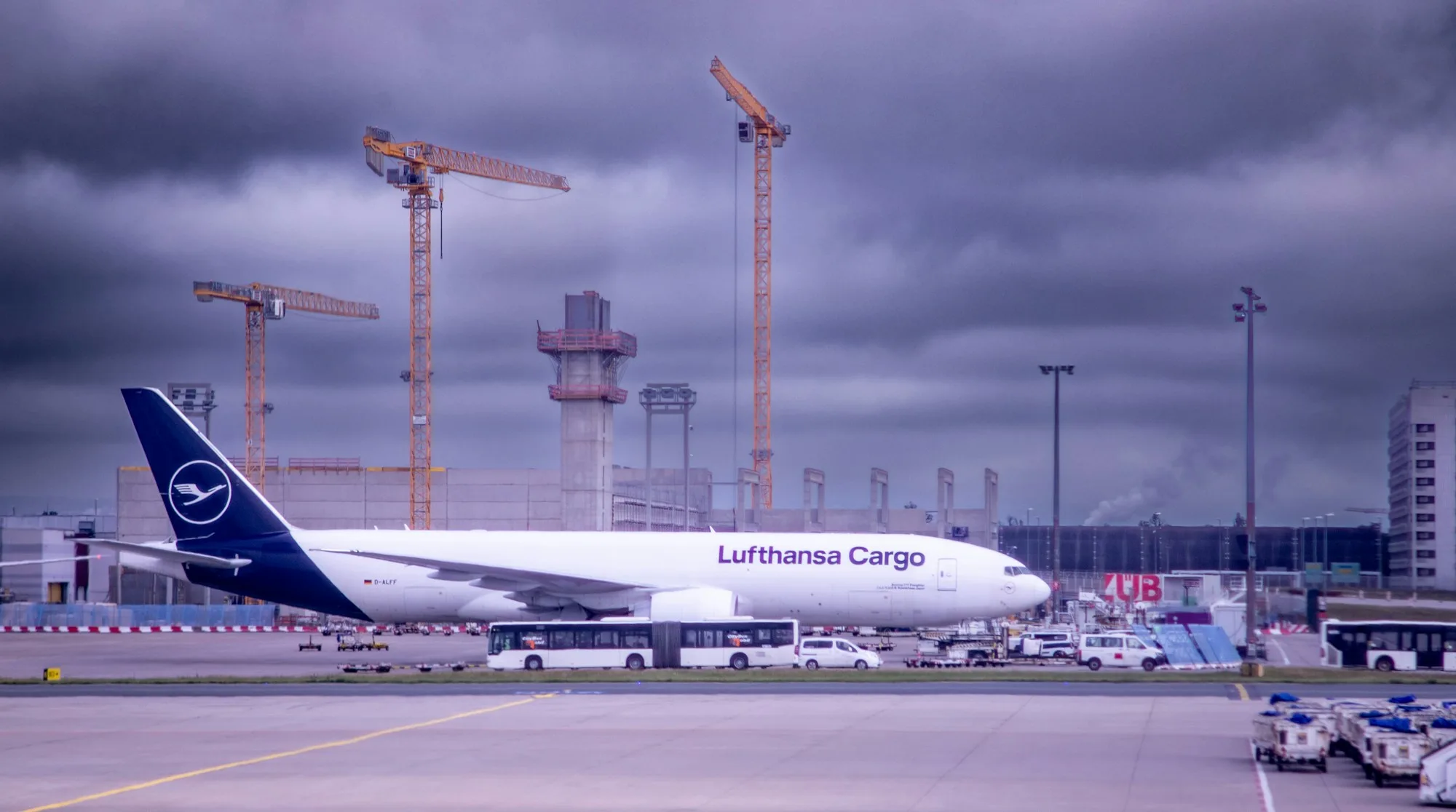
How your cargo moves decides which corridor you belong in
Tell me the shape of your freight — air or sea, containers per month, whether you cross daily. That is what I use to judge whether Senai / Kulai is right for you, or whether you should be looking somewhere else.
WhatsApp me your freight profile Photo: Unsplash (illustrative)Distance is the only logistics argument that never expires
Tax incentives lapse and policies change. Kilometres do not. These are indicative road distances — verify against your own plot, because a 6 km spread inside this corridor is normal.
Bearing and distance diagram
Senai / Kulai at the centre, with the airport, both crossings, the city and both ports placed on their real bearings; each ring is 10 km. The shape of this belt shows up immediately: the airport sits almost on top of you, and both ports are more than forty kilometres away. The interactive map is below.
A real, draggable map centred on Senai Industrial Park. The buttons below open Google Maps and calculate the actual route and drive time — open them at the hour you would really be dispatching; peak and off-peak differ sharply.
Where the corridors sit relative to each other
Schematic, not to scale. Distances are indicative road distances; verify against your specific plot.
- ✈️Senai International Airport cargoScheduled freighter and belly-hold2–8 kmapprox. 5–15 min
- 🛣️North–South ExpresswaySenai and Kulai interchanges5–10 min
- 🚧Second Link at TuasThe preferred crossing for trucksapprox. 35 km
- 🌉Causeway / JB CIQLonger queues at peakapprox. 30 km
- 🚢Port of Tanjung Pelepas (PTP)Transhipment hubapprox. 45 km
- ⚓Johor Port, Pasir GudangBreak-bulk and containersapprox. 45 km
- 🖥️Sedenak Tech ParkHyperscale data-centre clusterapprox. 15 km
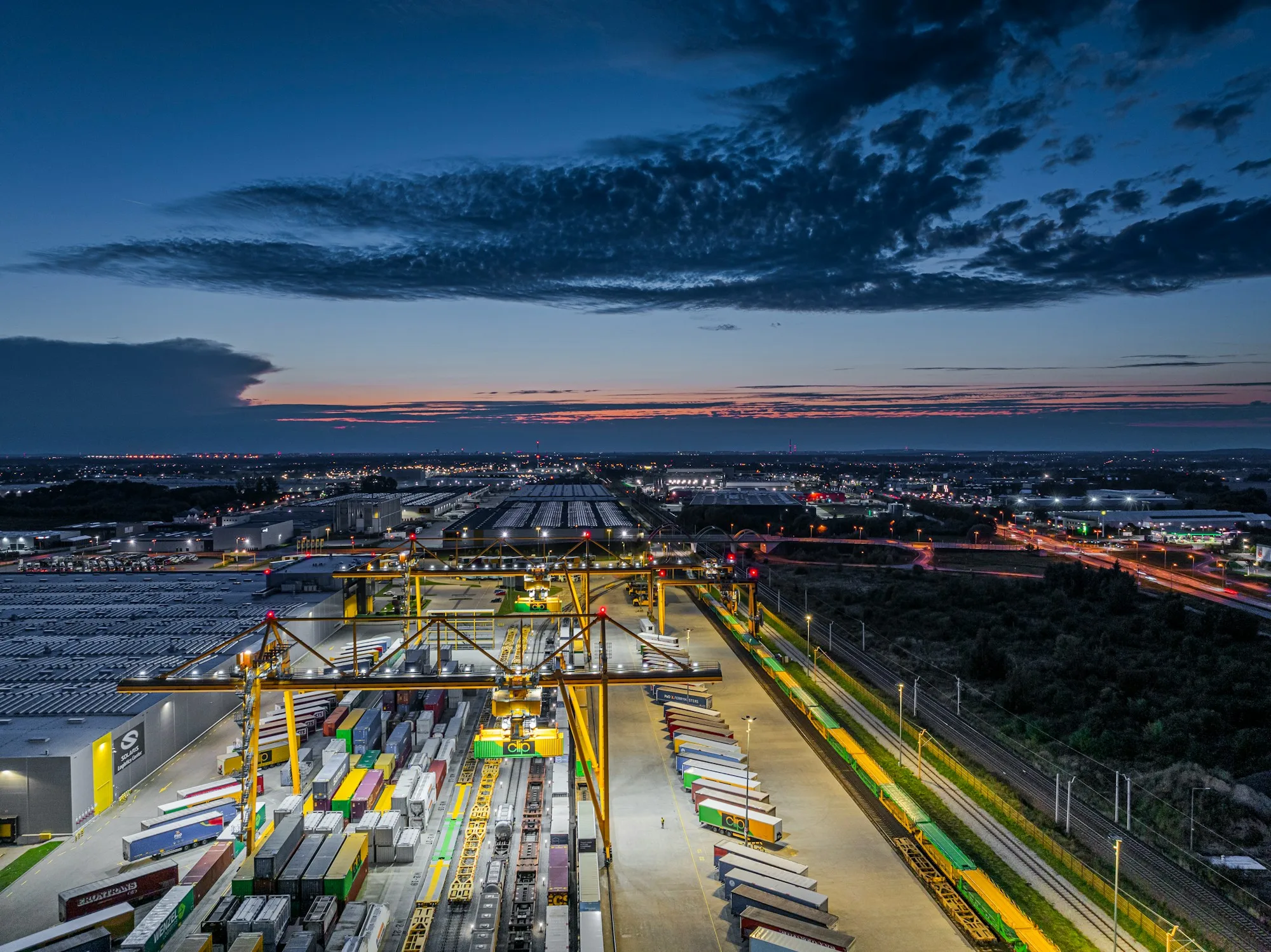
⚖️ Air versus sea, done properly
Air: Senai’s clearance volumes are a fraction of Changi’s — which for a mid-sized shipper often means a faster physical turnaround even when flight options are thinner. Light, urgent, high-value product is the reason to be here rather than anywhere else in Johor.
Sea: PTP and Johor Port are both reachable, but you pay inland haulage in both directions. Model cost per TEU across your lease term before comparing a Senai rent against a Pasir Gudang rent — at high container volumes it can erase the rent saving entirely.
First, what those rents actually buy
The rent and land figures below turn into one of these three buildings. All three are drawn to the same scale, with a 1.7 m person beside them — clear height and door count decide whether your machines and lorries fit, and that matters more than floor area.
Rents, sale prices and land
Every figure below is an indicative asking band compiled from publicly advertised listings in the Senai–Kulai corridor. Asking is not transacted, listings go stale, and a single plot can sit outside its band for a reason that only shows up on inspection.
1 · By product type — one card each
Rent is quoted per square foot of built-up area per month, the way this market quotes.
Terrace / link factory
One to 1.5 storeys, shared party walls. The easiest product here to resell and the easiest to finance.
Semi-detached factory
Own side access and a small yard. SME City @ Indahpura is the benchmark for this product.
Detached factory — older stock
Usually 6–8 m clearance. Cheap rent, 1990s specification — verify clearance, floor loading and incoming supply on site.
Detached — new build / high clearance
10–12 m clearance, higher floor loading, proper docks. This is the batch 3PL and MNC tenants compete for.
Open yard / vacant land, rented
Fenced and surfaced commands the top of the band. The main option for container depots and haulage.
Build-to-suit / new build
If no existing specification matches, do not settle. This corridor has land, developers and parks that build to order — to your clearance, floor loading, kVA and dock count.
Build-to-suit lives or dies on the contract: every line of the specification needs a number and a tolerance, plus a liquidated damages clause for late delivery.
Talk build-to-suit2 · Rent bands compared
All five products on one ruler. Horizontal axis is rent per square foot per month.
3 · Vacant industrial land
The widest spread on this page, because tenure, zoning class, frontage and plot size all pull in different directions.
⚠️ Read this before using any land figure above
Two plots 500 metres apart can differ by RM40 psf because one is titled for medium industry with a 33-foot road reserve and utilities at the boundary, and the other is agricultural land carrying a conversion premium, an earthworks bill and a two-year approval path. The price you are quoted is not the price you pay.
4 · Estate by estate
The sub-areas people name when they call. Tenure below is what is commonly seen — never a substitute for a land search on your specific lot.
Senai Industrial Park 1–3
The mature core — deepest subcontractor bench, oldest stock.
Senai Airport City
Master-planned, aviation and logistics oriented.
Seelong / Desa Idaman
Newer builds, higher clearance, close to the cargo terminal.
SME City @ Indahpura
The benchmark SME product in Kulai; active resale market.
Bandar Indahpura
Industry, commercial and housing in one township — good staff amenity.
Eco Business Park V / VI
Modern managed parks, MNC and data-centre adjacent.
Sedenak tech park area
Hyperscale data centres and the supply chain around them.
Kelapa Sawit / Saleng
Cheapest land in the corridor, longest approval path.
🕒 Bands compiled from publicly advertised listings in the Senai–Kulai corridor and cross-checked against listing portals in 2026. Asking prices only — not valuations, not transacted prices, not an offer. Last reviewed 2026-09-06.
The six questions operators ask me first
In eleven years these are the questions that decide whether a deal happens. Four are answerable on paper. Two are why people lose money.
🌏Can a foreigner or foreign company own here?
Yes, subject to three gates: Johor sets a RM3,000,000 minimum purchase price for commercial and industrial property bought by a non-citizen; there is a 4% foreign levy at the industrial rate; and the transfer needs state authority consent, which takes time and is not automatic. Most foreign manufacturers instead hold through a Malaysian Sdn Bhd, which changes the analysis.
✓ Before signing anything, get a Johor conveyancing lawyer to confirm your position in writing.
📜Freehold or leasehold?
Both exist, sometimes on opposite sides of the same road. Freehold finances and resells more easily and costs more per square foot; leasehold with a long residue is fine for an owner-occupier. What matters more than the label is the residue in years, the express conditions on the title (light / medium / heavy — must match your MSIC activity), and any restriction in interest.
✓ All three come off one land search.
⚡Power — the constraint people find too late
Grid capacity in this corridor is being consumed by very large data-centre loads. A substation that can serve a light assembly plant may not serve a 2,000 kVA process load without an upgrade you pay for and wait for. A building you cannot energise on schedule is an idle asset with a live loan against it.
✓ Get written TNB supply confirmation before you commit; on existing buildings, check the last bill and the switchgear rating.
🏗️Licences: MITI/MIDA, DOE, Bomba, local council
A manufacturing licence under the Industrial Co-ordination Act is required once shareholders’ funds reach RM2.5 million or you employ 75 or more full-time staff; smaller operations are exempt but still need the council business licence and CCC. Then DOE for effluent and emissions, Bomba for fire, JKKP for pressure vessels and lifts.
✓ Sequence matters — the plot you choose makes one of these routine or impossible.
🛏️Worker accommodation is a legal obligation
Under Act 446 as amended, employers housing workers need a Certificate for Accommodation meeting minimum standards on space per person, ventilation, sanitation and fire safety. In practice that means a centralised labour quarters operator, a purpose-built hostel block where title and council permit, or rented housing that actually complies.
✓ Budget it as a real line item — a non-compliant hostel can stop production.
📉Exit liquidity: who buys this in year seven?
Standard-spec semi-D and terrace factories in established estates have a genuine resale and rental market. Highly customised heavy plant, oversized plots, or anything with an awkward title condition has a much thinner pool of buyers.
✓ Buying to lease out? Buy the ordinary thing in the established estate — the yield gap rarely compensates for the liquidity gap.
💡 On JS-SEZ incentives
Senai–Skudai and Sedenak both sit inside the Johor–Singapore Special Economic Zone, and the headline package includes a special corporate tax rate for qualifying high-value activities plus a concessionary rate for knowledge workers. Read the eligibility list, not the headline: the low rate attaches to specified activities, not to an address. Take your MSIC code to MIDA and get the answer in writing before any tax saving goes into your model.
Rent is the opening number. Here is the cash you actually need
This section answers the question every foreign operator asks and almost nobody publishes: from signature to first production day, what does it cost. Two worked scenarios below.
Renting 10,000 sq ft
At RM1.50 psf: RM15,000 a month on a 3-year lease. Everything payable before you open the door:
Fit-out is the biggest variable and the most under-budgeted line. Basic partitioning and lighting versus a cleanroom, cold store or heavy machine bases is a tenfold difference.
Buying at RM3m
Held through a Malaysian Sdn Bhd, financed at 70%. Cash required before completion:
Add fit-out, utility deposits and insurance from the left column. If held in an individual non-citizen name, see the stamp duty warning below.
⚠️ The 8% stamp duty question your lawyer must answer in writing
From 1 January 2026, non-citizen buyers (permanent residents excluded) pay a flat 8% transfer stamp duty in place of the 1/2/3/4% scale. Public sources used to disagree on this. Verified September 2026: the 8% covers residential property only. It sits in item 32(ab) of the Stamp Act 1949, inserted by the Finance Act 2025; industrial and commercial transfers stay on item 32(aa), a flat 4% for non-citizens. So on a RM3m factory a non-citizen buyer pays RM120,000 in transfer stamp duty, not RM240,000. One more trap: the 1/2/3/4% scale is for Malaysian citizens only — foreigners never get it, so do not budget from the RM104,000 figure. Johor’s separate 4% foreign levy on industrial property (from July 2025) sits on top: another RM120,000 on the same RM3m. The two together come to about RM240,000 — same number as before, entirely different source.
While you are at it: the RM3,000,000 foreign buyer floor in the fact card above is the figure most often quoted for Johor, but published sources are not consistent about which band applies to industrial property (RM1m to RM3m all appear). Have your lawyer confirm that one in writing too.
Do not decide this from what you read online. Take your holding structure (individual / Malaysian company / foreign-controlled company) and the specific lot to a Johor conveyancing lawyer, get it in writing, then negotiate price.
💡 And one more on the way out: RPGT
Real Property Gains Tax tapers with holding period, but companies and foreigners never reach zero. A company pays 30% in years 1–3, 20% in year 4, 15% in year 5 and 10% from year 6 — the permanent floor. A foreign individual pays a flat 30% for the first five years, then 10%. Price your exit horizon in at purchase: selling in year 5 versus year 6 is a five-point difference.
From decision to production: how long
Usually the first question a foreign operator asks. Below is what each gate actually takes — the two in bold are the critical path; everything else can run in parallel.
Company and people
- 🏢SSM incorporation of Sdn BhdWith complete documents3–10 working days
- 🏦Bank account openingForeign directors usually sign in person2–8 weeks
- 🪪Employment Pass for expatriatesFiled through ESD1–3 months
- 👷Foreign worker quota and permitsThrough the FWCMS eQuota system2–6 months
- 📄MIDA manufacturing licenceOnly above the threshold — see below2–3 months
Premises and utilities
- ✍️Signing the lease or the SPAIncluding due diligence2–4 weeks
- 🏛️State consent (foreign buyer)Critical path — cannot be compressed3–6 months
- ⚡TNB supply application to energisationDepends on kVA and substation need3–9 months
- 🔧Fit-out and M&E worksRuns parallel to the supply application2–5 months
- 🧯Bomba approval and CCCAfter fit-out completion1–3 months
- 🌊DOE effluent approvalDepends on your process and discharge1–4 months
Renting a ready-built factory: 3–6 months to production
Provided the existing incoming supply is already enough for you, the title condition matches your process, and the fire system does not need major work. If any one of those three fails, add three to six months.
Buying land and building: 12–24 months
State consent for a foreign buyer 3–6 months, planning and building plan approval 3–6 months, construction 8–14 months, energisation and handover 2–4 months, some of it parallel. Convert that time into rent paid elsewhere before you compare buying land against renting.
⏱️ Only three things actually compress the timeline
One: choose a building whose incoming supply already covers you — that removes the 3–9 month TNB gate. Two: rent first, buy later, and run the state consent application while the lease is already operating. Three: incorporate the company and open the bank account while you are still viewing buildings — neither needs premises, both routinely hold up the whole chain.
The three things that make a foreign operation legal here
These numbers go straight into your financial model, and they decide whether you can hold property in the company’s name at all.
Company structure
Most manufacturing categories permit a 100% foreign-owned Sdn Bhd.
Holding through a company versus an individual changes how the foreign price floor, the levy and state consent apply. Get this wrong and everything downstream has to be redone.
Work permits
Thresholds rose sharply on 1 June 2026, applying to new applications and renewals alike:
The old thresholds were RM10,000 for Category I and RM3,000 for Category III. If your posting plan was built on the old numbers, rebuild it.
Labour cost
Statutory cost of a local employee, monthly:
Multiply by headcount, then add overtime, shift allowances and accommodation. That is your real labour budget.
What you will actually pay in tax
Start from the headline rate, then test whether you qualify for an incentive — not the other way round, because almost every incentive attaches to an activity rather than a location.
- Standard corporate tax
- 24%Applies to all non-SME companies
- SME rates
- 15% / 17% / 24%Paid-up capital ≤RM2.5m and other conditions; first RM150k at 15%, RM150k–600k at 17%
- Pioneer Status
- 100% exemption on statutory income5 years, extendable to 10 if qualified
- Investment Tax Allowance
- Up to 100% of qualifying capexOffsets 70–100% of statutory income
- New manufacturing special rate
- 0% – 10% for up to 15 years0–15% in less developed areas, under the National Investment Framework
- Johor–Singapore SEZ
- Special rate 5%, up to 15 yearsOnly for the published list of qualifying high-value activities
- LMW / Free Industrial Zone
- Import duty and sales tax exemptionOn raw materials and machinery; requires ≥80% export and Customs approval
- Manufacturing licence threshold
- RM2.5m shareholders’ funds or 75 staffBelow that, no MIDA licence required
- Real Property Gains Tax
- Company 30/20/15/10%Foreign individual 30% for 5 years, then 10%; neither ever reaches zero
💡 Incentives are not automatic, and they are often mutually exclusive
Pioneer Status and ITA are normally an either/or choice, not both. The JS-SEZ special rate attaches to a named activity list. LMW requires you to prove the export ratio. Take your MSIC code to MIDA, get the answer in writing, and only then put the tax saving into your model — I have seen too many payback calculations built on an incentive the company did not qualify for.
Utilities, leases and financing: the three most underestimated items
Utility tariffs
The big line for manufacturers. Malaysia moved to the RP4 tariff structure in July 2025:
RP4 splits the bill into energy, capacity, network and retail charges, so maximum demand is calculated differently now. Take your load profile to TNB for a formal estimate rather than applying the old single MD rate.
Lease and purchase terms
Local industrial market convention — check these before you sign:
Three clauses must be explicit: who carries structural repair, who carries fire-system compliance, and how far the reinstatement obligation goes at the end of term. Leave those vague and the exit dispute regularly exceeds a year’s rent. Note also that from January 2026 tenancy stamp duty moved to self-assessment via e-Duti Setem in MyTax.
Financing
A foreign-controlled company does not borrow on the same terms as a local one:
This is what foreign operators usually discover too late: subsidised and government-guaranteed funding requires majority Malaysian ownership. A 100% foreign-owned Sdn Bhd cannot access it and borrows at commercial rates against collateral instead. If cheap funding matters, it has to be solved at the shareholding design stage, not at loan application.
Once you move here, who can actually do the work
What foreign operators fear is not the rent — it is arriving and finding nobody who can do a process step. Here are the supporting trades in this corridor and the agencies you will deal with.
Supporting trades in this corridor
Senai Industrial Park has the densest concentration of supporting trades — that is its most concrete advantage over the newer parks. When a process step suddenly has to be outsourced, someone who can do it is fifteen minutes away. For a specific list with contacts and pricing levels, ask me and I will build it around your process.
Ask for the supplier listAgencies you will deal with
Suggested order: MIDA and TNB first — they decide whether you can operate and whether you can be powered. Land comes after that. Council and Bomba are post-signature matters.
What is within a ten-minute drive
Staff retention, shift patterns and how fast a contractor reaches you all come down to what is nearby. This corridor is better served than most Johor industrial areas because industry, housing and retail grew here together.
Worker accommodation
Centralised labour quarters operators work this corridor; on-plot hostel blocks are possible where title and council permit; and Kulai and Senai town hold a large local rental housing stock. Either route, the Act 446 accommodation certificate applies.
Highways and trunk roads
Two North–South Expressway interchanges, the Senai–Desaru Expressway heading east, the route to the Second Link at Tuas, and Tebrau / Skudai Highway into JB city. Truck movements never need to cross the city centre.
Residential catchment
Bandar Putra, Bandar Indahpura and Taman Senai Utama; Kelapa Sawit and Saleng villages; Skudai and Kulai housing within 15–20 minutes. Staff can live near the plant — a real retention advantage.
Retail and food
AEON Kulaijaya and surrounding retail, Kulai town centre (banks, clinics, hardware, workshops), Senai town shop rows with canteen-scale food, Bandar Putra and Indahpura commercial strips, plus petrol and truck services on the trunk roads.
Healthcare and schools
Government and private clinics in Kulai and Senai; hospitals in Kulai and greater JB. National schools throughout; international schools in Iskandar Puteri, roughly 30–40 minutes away.
Hosting customers
Hotels beside the airport and in Kulai town make it easy to host customers, auditors and head-office visitors. Land at Senai and be at the plant in twenty minutes — a quiet advantage when you are pitching for MNC work.
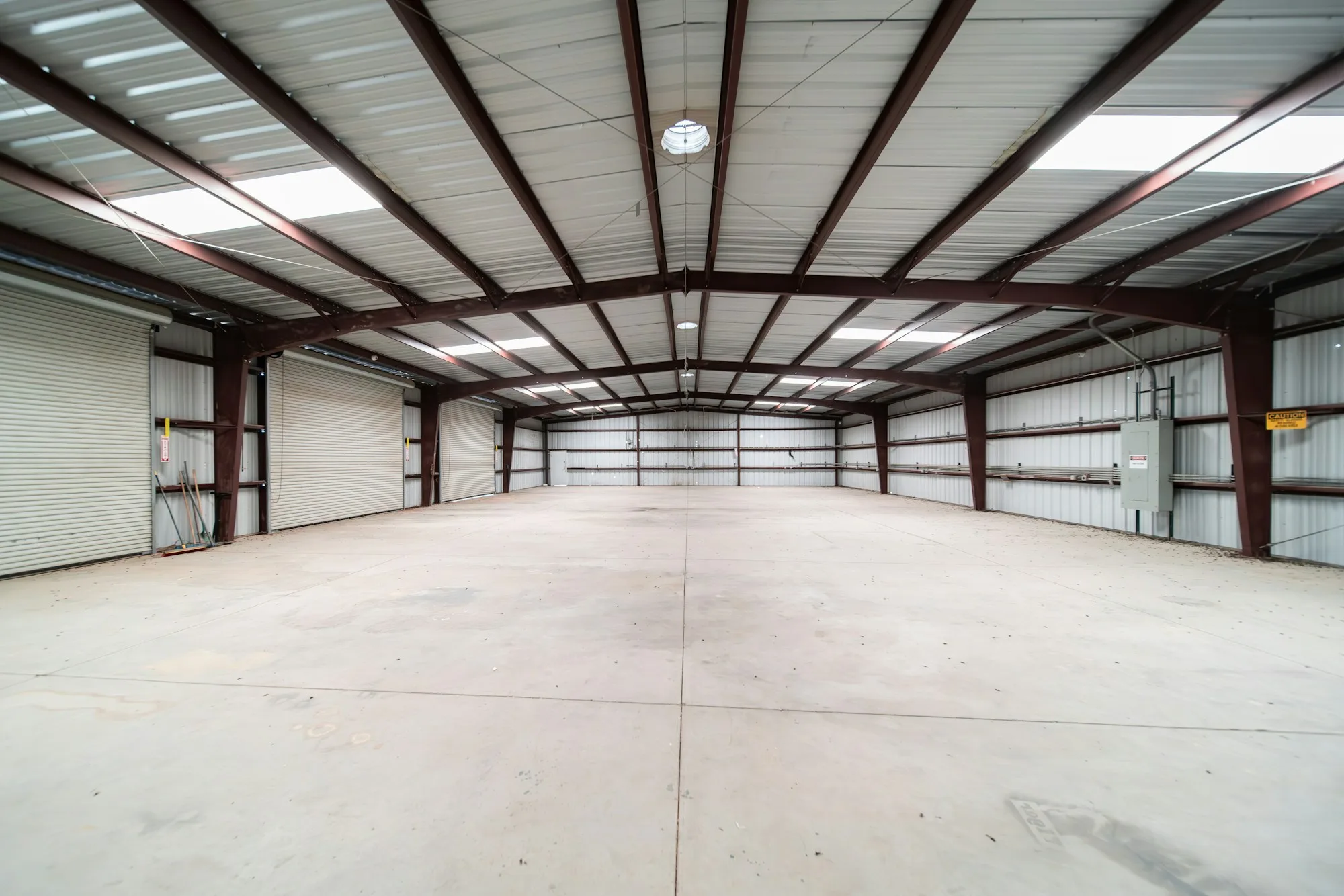
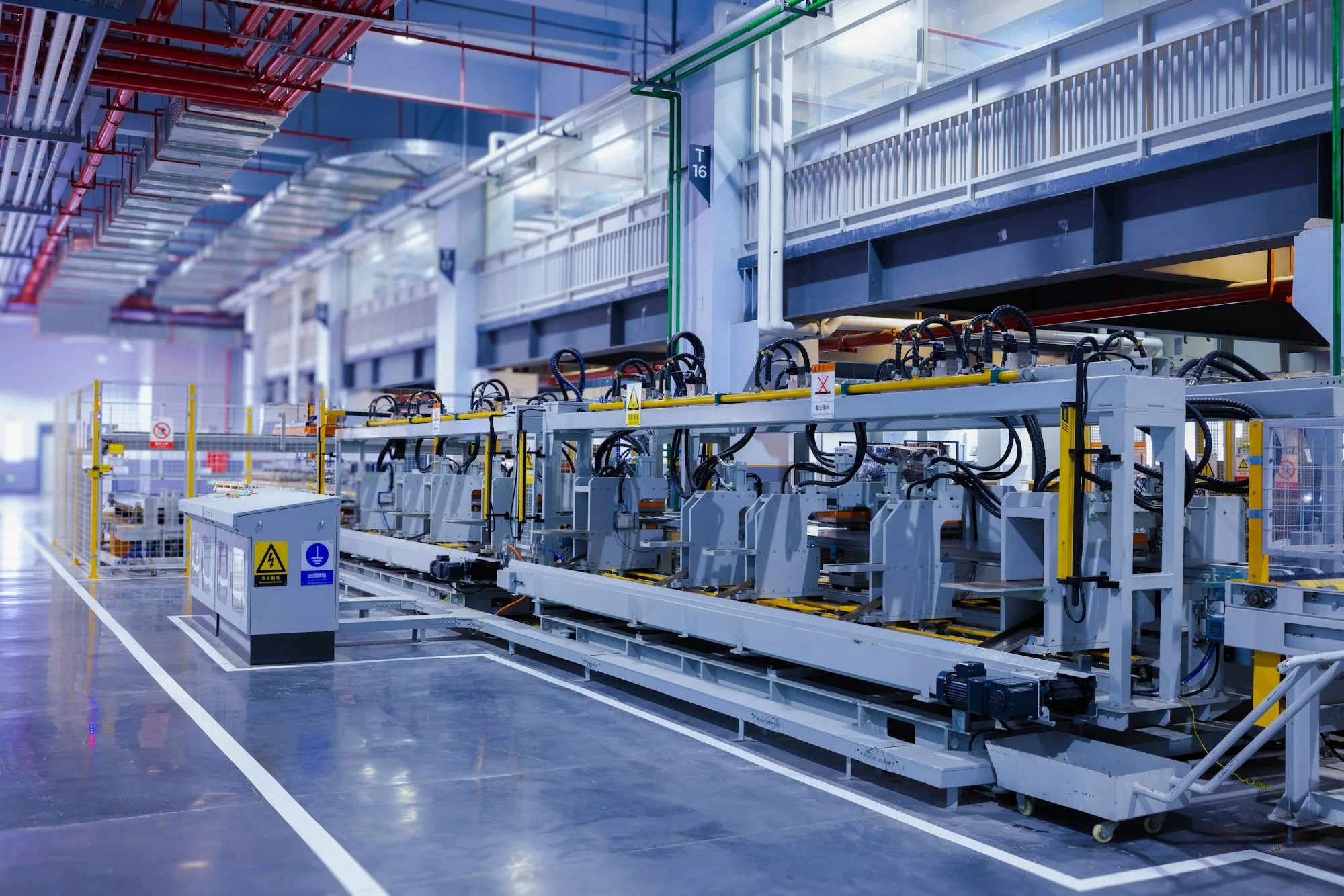
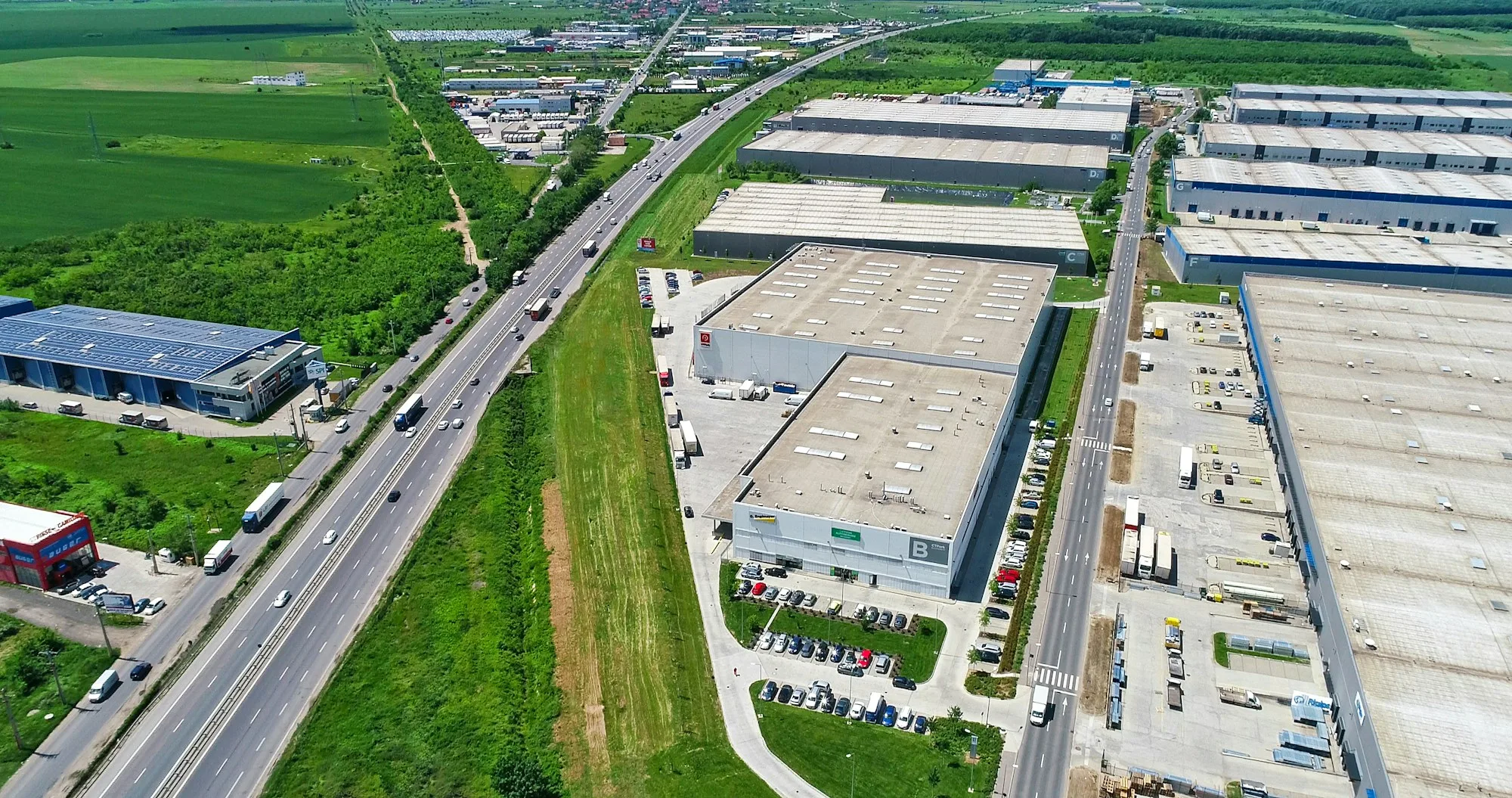
Note: images above are illustrative, not photographs of this area. Official masterplans and estate photography are the developers’ copyright and will replace these once permission is obtained.
Nine things clients ask once they have decided to come
These are not “should I come here” questions. They are “will I regret this in three years” questions. Most agents will not raise them unprompted because they slow a deal down — but they are exactly what determines whether you are satisfied later.
Flooding and ground level
Johor has a record of localised monsoon flooding, and it varies sharply between estates — what matters is the level and drainage of the specific plot. Ask three things on the viewing: has this lot flooded, where does the surrounding drainage discharge, and has the ground been raised. On low-lying plots insist on the drainage plan and ask the neighbouring factories — they will tell you more than the listing does.
Security
The typical industrial-estate risk is theft of copper, cabling, scrap metal and finished goods, usually during shutdowns and long holidays. On the viewing, check fence height, perimeter lighting, CCTV coverage, and whether security is estate-wide or each tenant’s own problem. Mature estates usually have shared patrols; a new park may not until it fills up.
Connectivity and fibre
The fibre backbone the data centres brought is a genuine plus for electronics plants, R&D centres and automated lines. But do not assume “a data centre nearby” means “fibre in your building” — ask whether this building is actually served, how many carriers you can choose from, and whether it is shared or dedicated. ERP and remote monitoring running badly is a problem people discover after moving in.
Outages and backup
Elsewhere on this page we covered whether you can get the kVA. This is the other half: how stable it is once you have it. Ask the landlord or the neighbours how many trips there were in the last twelve months and how long each lasted. For continuous processes, generators and UPS belong in the fit-out budget from the start, not after the first outage.
Rooftop solar
Large roof area plus a daytime load profile is the natural case for self-consumption solar. Under the new RP4 tariff, self-generation reduces both the energy charge and the maximum demand charge — and the second is a fixed monthly cost, so the saving is often larger than the kWh saving. Check roof structural loading, orientation, and whether the lease permits installation (this is where rented buildings usually fail).
Where the engineers come from
The technical talent pool is close: Universiti Teknologi Malaysia’s main campus in Skudai is roughly 20–30 minutes away, with polytechnics and vocational colleges across southern Johor. That is the practical reason hiring engineers here is easier than in remote industrial areas — recruiting difficulty belongs in your site evaluation, not just rent.
Life for expatriate families
Whether your expatriate manager will actually come often turns on the spouse and children. International schools cluster in Iskandar Puteri, roughly 30–40 minutes from Senai / Kulai; day-to-day healthcare, supermarkets and dining in Kulai and Senai town are sufficient. This decides more posting plans than most people expect.
What the neighbours do
Neighbour compatibility affects both compliance and staff retention. If the unit next door emits odour or noise, or runs heavy vehicles all night, your audits and your hiring both feel it. In reverse — if you generate odour or noise, being close to housing becomes your risk. View the plot on a working weekday, in daylight: smell it, listen to it, watch the traffic.
Room to expand, and ESG
Two questions people skip. First, can the adjoining lot or the neighbouring unit be bought — asking now is far cheaper than asking in three years. Second, multinational customers are pushing carbon and ESG requirements down the supply chain; rooftop solar, energy metering and waste-handling records may be a precondition for your next order.
✅ Worth noting: the risks that are not here
Malaysia sits outside the earthquake belt and outside the typhoon track. For manufacturers relocating or diversifying capacity out of Japan, Taiwan or the Philippines, that is a commonly underrated advantage — and it shows up in insurance pricing and in business continuity planning. The natural risk that does need assessing is localised monsoon flooding, and that is judged plot by plot, not state by state.
Six things no brochure will tell you
If you read one section on this page, read this one. None of these are reasons not to buy here. All of them are reasons to check something before you do.
1Competition for grid capacity
Hyperscale data-centre loads in this district are very large. An available plot does not mean available kVA at your timing.
✓ Get written TNB supply confirmation before you commit.
2Older stock, older specification
Much of Senai’s cheap rent is 1990s stock: low clearance, modest floor loading, wiring from another era. Cheap per square foot can be expensive per unit produced.
✓ Check clearance and floor loading against your equipment list, not against the rent.
3Labour supply is tightening
Data-centre construction and new parks compete for the same workers, and foreign worker quota and levy rules change. Plan for the cost, not the hope.
✓ Fold accommodation compliance into your labour cost from day one.
4Title conditions vs your actual process
A light-industry title will not carry a medium-industry process. Category of land use and express conditions are on the title, not in the listing.
✓ Changing them is an application with a cost and a timeline — check before you negotiate price.
5Water, drainage and ground
Johor water supply has been constrained in dry years; low-lying plots need a drainage plan and flood history.
✓ Soil investigation before you price the foundation, not after.
6Peak-hour crossing times
The distance to Singapore is short; the queue is not. With a same-day commitment, model the crossing, not the kilometres.
✓ Night-shift dispatch is how most operators here solve it.
✅ How to verify all of this in one week
Land search on the specific lot (title, tenure, residue, express conditions, restriction in interest) · written TNB supply confirmation for your kVA · DOE position on your effluent · local council confirmation of permitted use and plot ratio · last two electricity bills and the switchgear rating if the building exists · soil report, or at least a soil investigation quote.
Any seller or agent who resists these six is telling you something.
Which buyer is this for?
Foreign manufacturer
- Sdn Bhd structure and MIDA licence path
- Confirm kVA before you confirm the plot
- Renting two years first is usually cheaper
Singapore SME relocating
- Measure crossing times at your dispatch hour
- Worker accommodation and quota together
- Total occupancy cost vs Singapore rent
Local SME outgrowing a unit
- Semi-D in an established estate
- Easiest product to finance
- Deep resale market, easy exit
Investor buying to lease
- Standard-spec units with a wide tenant pool
- Check tenant covenant and lease residue
- Avoid highly customised assets
Land banker
- Conversion status is everything
- Unconverted land is a project, not a hold
- Price the infrastructure connection first
Heavy / petrochemical
- You need berths, tanks and specialist contractors
- A daily trailer run to port is a permanent cost
- Different environmental compliance environment
Senai / Kulai industrial property FAQ
Is Senai / Kulai light, medium or heavy industry?
Predominantly light and medium. The estates here are zoned and built for assembly, engineering, food processing, warehousing and logistics. Heavy industry — petrochemical, bulk liquid, marine fabrication — is concentrated in Pasir Gudang and Tanjung Langsat, where the port infrastructure is. Your specific title carries an express condition naming the class; that condition binds you, not the estate’s general reputation.
Can a foreigner buy a factory here?
Yes, subject to Johor’s RM3,000,000 minimum purchase price for commercial and industrial property, a 4% foreign levy at the industrial rate, and state authority consent. Many foreign operators instead buy through a Malaysian-incorporated company, which changes the analysis. Get a Johor conveyancing lawyer to confirm your specific position in writing before you pay a deposit — these are state-level rules and they do move.
Freehold or leasehold — which should I take?
Both exist in this corridor. Freehold finances and resells more easily and generally costs more per square foot; leasehold with a long residue is fine for an owner-occupier amortising a building. The decision should turn on residue in years, the express conditions on the title, and your exit horizon — not on the word itself. One land search answers all of it.
What does a factory rent for here?
Indicatively RM1.10–1.60 psf per month for older terrace and link units, RM1.20–1.90 psf for semi-detached, and RM1.90–2.60 psf for new high-clearance detached buildings. These are asking bands from public listings, not transacted rents. What you actually pay depends on clearance, power supply, yard area, condition and lease length.
What does industrial land cost?
Roughly RM20 to RM110 per square foot. Small freehold plots with road frontage in established estates sit at the top; large outlying leasehold or unconverted parcels at the bottom. The spread is driven by tenure, zoning class, conversion status, frontage and utility readiness — a plot that looks cheap is usually carrying one of those costs for you to absorb later.
Is this better for exporters or importers?
It skews export, and it skews air. Senai’s cargo terminal is minutes away and the road network reaches both Singapore crossings. Sea freight works but adds a 40–50 km inland haulage leg to PTP or Johor Port on every container. If your volume is heavy and seaborne, model that haulage cost before choosing this corridor over a port-side one.
Do I get JS-SEZ tax incentives by setting up here?
Not automatically. Senai–Skudai and Sedenak are named flagship areas within the Johor–Singapore Special Economic Zone, and the package includes a special corporate tax rate for qualifying high-value activities and a concessionary rate for knowledge workers. Eligibility attaches to the activity, not the address. Take your MSIC code to MIDA and get the answer in writing before you build any tax assumption into your numbers.
Is worker accommodation available?
Yes — through centralised labour quarters operators, purpose-built hostel blocks where title and council permit, and the substantial local rental housing stock in Kulai and Senai. Under Act 446 as amended, an employer housing workers needs a Certificate for Accommodation and must meet minimum standards. Treat it as a budgeted line item from day one.
Should I rent first or buy straight away?
If you are new to Malaysia, renting for two to three years is usually the cheaper mistake. It lets you validate labour supply, actual power draw, logistics timings and growth rate before committing capital and a state consent process to a specific plot. If you already operate here and know your numbers, buying removes rent escalation and gives you an asset with a real resale market.
Senai / Kulai not the fit? Here are the other seven
Every area page is written to the same structure: who it suits, industrial class, rent and land, distance to port and airport, surrounding amenities, total landed cost. Each chip carries the belt’s positioning and its entry asking rent — check the positioning first, the price second.
Tell me what you make and how it moves
Send me three things: what you produce, roughly how much space and power you need, and whether you want to rent, buy or build. I will come back with what is actually available in Senai / Kulai this month and what it really costs — and if this is the wrong corridor for you, which one is right.
Usually a reply within 15 minutes · 9am–10pm MYT