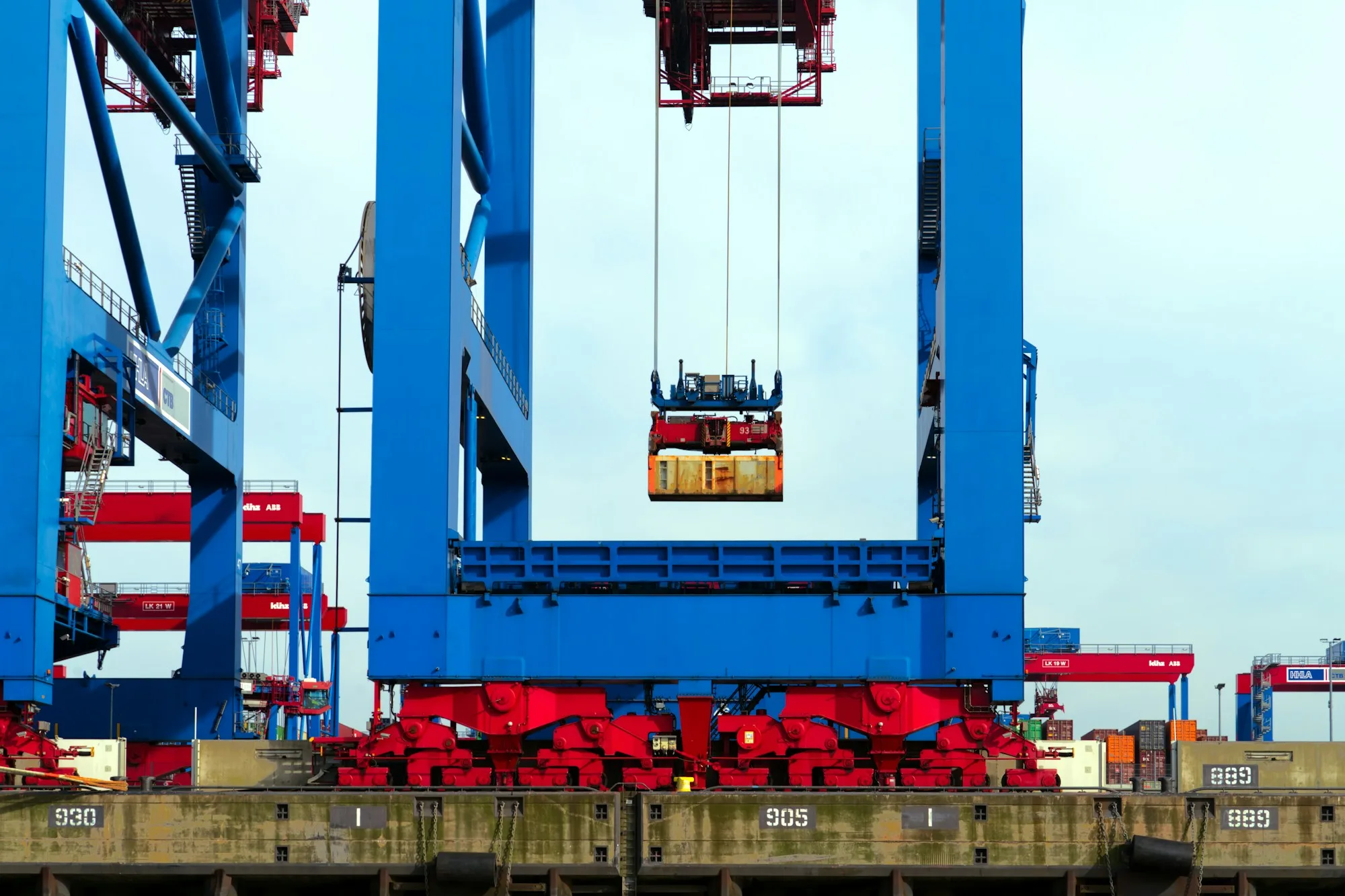
Tanjung Pelepas (PTP) / Tanjung Bin industrial property
Johor’s most specialised belt, and the least suitable for an ordinary SME. Tanjung Pelepas is Malaysia’s largest transhipment port and free zone; Tanjung Bin is given over to energy and maritime heavy industry. If your business is tied directly to transhipment, bonded storage or a deep-water berth, there is no substitute. If it is not, almost nothing here works in your favour.
⚡ Usually a reply within 15 minutes · 9am–10pm MYT · this belt is negotiated case by case
⚡ Tanjung Pelepas / Tanjung Bin in one paragraph
This is Johor’s port and energy enclave: transhipment logistics, free-zone bonded storage and re-export, shipping and port services, energy facilities and maritime heavy industry. Factories and warehouses run roughly RM1.20–2.60 psf (free-zone space at the top), industrial land roughly RM25–70 psf.
But the most important sentence is this: much of the space here never reaches the open market — free-zone warehouses and yards are leased directly from the port or free-zone operator. So this page gives you positioning and judgement, not a list you can shop from. Landing here means enquiring case by case.
Twelve facts
In the order the decisions actually get made.
- Administrative area
- South-west of Iskandar Puteri, JohorThe PTP port district, west Gelang Patah, Tanjung Bin
- Industry class
- Heavy and port logisticsOrdinary light industry and small manufacturing do not belong here
- Primary logistics mode
- Deep-water sea and transhipmentMalaysia’s largest transhipment port, with dense mainline calls
- Regulatory character
- Free zoneBonded storage, re-export and transhipment run under a different customs regime
- Air freight
- Weakest in JohorAbout 50 km to Senai Airport — the furthest of any industrial belt
- To Second Link CIQ
- approx. 20 kmThe only reasonably convenient land crossing from here
- Typical tenure
- Leasehold / port-administeredMuch of the land is outside the ordinary market and follows a different regime
- Rent band
- RM1.20 – 2.60 psfGeneral buildings outside the zone at the bottom; free-zone warehouses at the top
- Industrial land
- RM25 – 70 psfVery thin sample; the spread follows port proximity and infrastructure
- Labour and amenity
- ThinHousing, dining and healthcare are all back toward Iskandar Puteri
- Foreign buyer floor
- RM3,000,000Johor minimum for commercial and industrial property
- Data strength
- ThinnestThe smallest public sample of the eight belts — this page leans on judgement
The six kinds of business that actually fit
This is the narrowest belt of the eight. The last two cards matter as much as the first four.
Transhipment and mainline-linked logistics
PTP is Malaysia’s largest transhipment port, and its value lies in call frequency and transhipment efficiency. For operators doing consolidation, deconsolidation or regional transit, being beside the port saves not just freight but a whole operational leg.
Free-zone bonded storage and re-export
Goods in, processed or repacked, then out again — the free-zone regime changes both the duty position and the process. If your model depends on goods never entering the domestic market, this regulatory advantage cannot be bought elsewhere.
Energy and related facilities
Tanjung Bin is dominated by large energy facilities and their supporting infrastructure. Energy projects needing deep-water access, large sites and special approvals have very few options in Johor, and this is one of them.
Maritime heavy industry and ship services
Ship repair, marine engineering, ship supply and port services. Doing ship work right against the port is the natural business of this belt — one kilometre further out and the cost structure is different.
Businesses that must settle the regime first
The biggest difference from the other seven belts: regulation comes before real estate. Free-zone status, customs process and port operating arrangements all decide whether you can be here long before rent does. Settle the regime and the property question usually resolves itself.
Who should look elsewhere (the most important card)
General manufacturing, SMEs, anyone who needs to hire locally, anyone who needs amenity, anything moving by air or road — almost every factor here works against you. Labour must be brought in, amenity is thin, and the airport is 50 km away. Without a transhipment, bonded or deep-water requirement, you should not be here.
⚠️ Something I have to say plainly
Of the eight area guides I have written, this is the only one where I actively discourage most readers. The reason is simple: its advantages are extremely specialised, and its weaknesses — labour, amenity, air freight, road distance — are fatal for an ordinary business.
If you have read this far and are still unsure whether you fall into the first four categories, the answer is very probably no — go back to Senai / Kulai or Iskandar Puteri, which are the sensible choices for the overwhelming majority of companies.
Is your business directly tied to ships?
Yes — transhipment, bonded storage, berths, ship services: then this belt deserves serious study. No — I will tell you straight away which area to look at instead, and not waste your time.
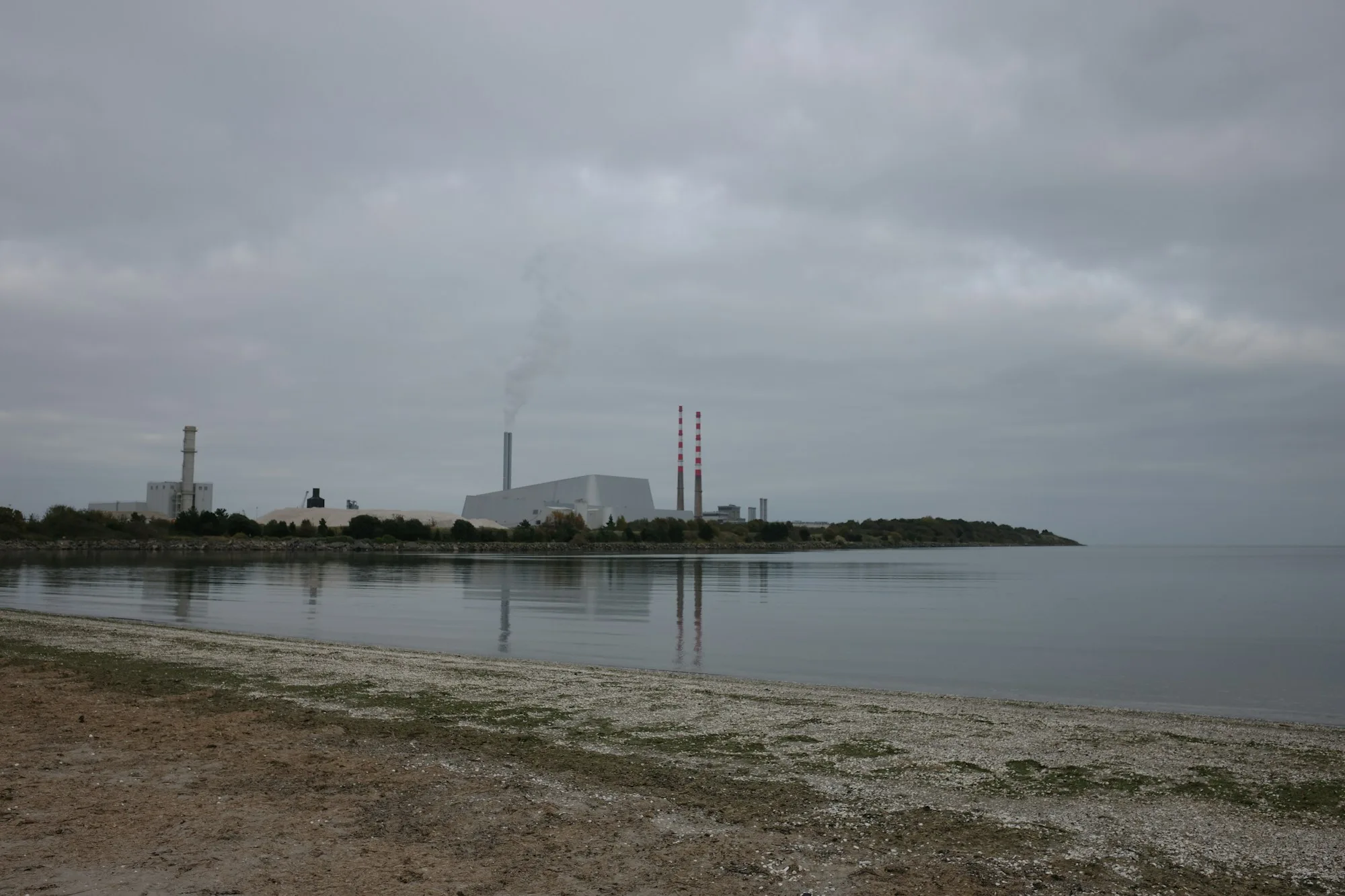
Tell me whether it fits Photo: Unsplash (illustrative)Distance is the only logistics argument that never expires
Indicative road distances — verify against your own plot.
A real, draggable map. The buttons below open Google Maps and calculate the actual route and drive time — pay particular attention to the airport and the city centre, the two most underestimated costs of this belt.
Bearings and distances at a glance
We drew this ourselves: Tanjung Pelepas at the centre, with seven key destinations at their true bearing and distance. It shows the strength and the weakness in one picture — the port gate all but sits on the centre, while the airport, the city and the Causeway all fall beyond 40 km.
- 🚢PTP port gateThe only reason this belt exists0–5 km
- 🚧Second Link CIQThe only convenient crossing from hereapprox. 20 km
- 🏢SiLC / Iskandar PuteriWhere amenity and housing actually are15–20 km
- 🏙️Johor Bahru city centreapprox. 40 km
- 🌉Causeway CIQapprox. 45 km
- ✈️Senai International AirportThe furthest of any Johor beltapprox. 50 km
- ⚓Johor Port (Pasir Gudang)approx. 60 km
⚖️ The trade-off in one place
Wins: right beside Malaysia’s largest transhipment port — deep-water berths, call frequency and the free-zone regime. Nowhere else in Johor offers that combination.
Loses: 40 km to the city, 50 km to the airport, 45 km to the Causeway. Those three numbers mean your staff commute a long way every day, your air cargo takes an extra hour, and a visit from management is never easy. Those costs occur daily; the port advantage only counts on the days you actually use a ship.
First, what those rents actually buy
The figures below turn into one of these three buildings, all drawn to the same scale with a 1.7 m person beside them. Note: space inside the free zone is usually leased to its own specification and is not what this shows — these are ordinary industrial units outside the zone.
Bands, constraints, and how space is actually obtained
Read this first: the fundamental difference from the other seven belts is that much of the space here never reaches the open market — free-zone warehouses and yards are leased directly from the port or free-zone operator, so the public sample is extremely thin. The bands below are positioning, not a list to shop from.
1 · By product type — one card each
Rent is quoted per square foot of built-up area per month.
Free-zone warehouse / bonded storage
The core product here and the hardest to find on the open market. Most of it is applied for through the port or free-zone operator, with an eligibility review attached.
General factory / warehouse
Ordinary industrial product outside the free zone, toward Iskandar Puteri — one of the few things here you can actually negotiate on the open market.
Container depot / open yard
Depots and heavy-equipment yards serving the port — high real demand here, and the least publicly documented category.
Energy and maritime project sites
Large project sites around Tanjung Bin, involving special approvals, environmental assessment and infrastructure provision — not ordinary property transactions.
Industrial land
Little land circulates openly, and the price spread follows proximity to the port and whether infrastructure is in place. Outlying parcels are cheap, but completing the infrastructure can cost more than the land.
For most companies the answer is: beside it, not inside it
When I actually handle requirements for this area, the most common conclusion is to put the operation in Iskandar Puteri rather than in the port district.
The reason: only 15–20 km further from PTP, but labour, amenity, living and building choice are entirely different. Unless what you need is the free-zone regime itself, near-but-not-inside usually wins.
Compare the two options2 · Rent bands compared
Horizontal axis is rent per square foot per month. Thin sample — positioning only.
💡 The free-zone premium buys a regime, not a building
Free-zone warehouses rent clearly above those outside, but the extra money does not buy a better building — it buys a customs and process regime: goods can be stored, handled and re-exported without entering the domestic tariff area.
So there is only one test: does that regime save you duty, time or process cost? If yes, the premium is usually worth it. If no, you have rented an ordinary warehouse at double the price. Work this out with your customs broker and tax adviser — never by instinct.
3 · Sub-area by sub-area
Common practice below — never a substitute for a land search and regulatory confirmation.
PTP Free Zone
The core of the belt. Regulation precedes property: eligibility comes first, and space is mostly applied for through the operator.
Around PTP (outside the zone)
General industry and services supporting the port — one of the few parts of this belt negotiable on the open market.
Tanjung Bin
Dominated by large energy facilities and maritime heavy industry — project-driven, and outside ordinary property dealing.
Toward Gelang Patah
The further east you go, the more building and labour choice you have and the closer rents move to normal — where many companies actually land.
Iskandar Puteri / SiLC
Only 15–20 km further from PTP, but buildings, labour and amenity are completely different — see that area guide.
Johor Port (for contrast)
For local import and export rather than transhipment, the Johor Port belt has far more complete container and stuffing services.
🕒 The public listing sample here is the thinnest of the eight belts. The bands above come from limited public material compiled in 2026 and indicate positioning only — they are not a basis for pricing. Most free-zone space never circulates on the open market. Asking prices only. Last reviewed 2026-09-06.
What this belt wins and loses
The strengths and weaknesses here are more extreme than in any other belt — read them together.
✓ Where it wins
- Malaysia’s largest transhipment port: mainline call frequency is the asset nothing else replaces
- Deep-water berths: large-vessel capability, available in very few places in Johor
- The free-zone regime: duty and process advantages for bonded storage, handling and re-export
- Energy and maritime heavy industry can actually land here: one of the few viable sites in Johor
- Large sites are obtainable: unlike the city belts, not constrained by existing fabric
- 20 km to the Second Link: the one land crossing that remains convenient
- Few competitors: the companies that can be here are peers, so the cluster effect is real
✕ Where it loses
- Extremely narrow applicability: without transhipment, bonded or berth needs, nothing here helps you
- 50 km to the airport: the furthest of any Johor belt, so air freight is out entirely
- 40 km to the city: management and customer travel is costly
- Thin labour and amenity: housing, dining and healthcare are all toward Iskandar Puteri, and hiring is a standing problem
- Very little public stock: most space never lists, so the negotiation route is unlike ordinary industrial land
- High regulatory threshold: free-zone eligibility, customs process and port arrangements all come first
- The worst exit liquidity in Johor: a shallow buyer pool for highly specialised assets
Choose Iskandar Puteri
Only 15–20 km further, but park specification, labour, amenity and building choice are entirely different — the most common right answer for this belt.
See Iskandar Puteri →Choose Pasir Gudang
Local import and export rather than transhipment, bulk or liquid quays, natural gas — the Johor Port belt is far better equipped.
See Pasir Gudang →Choose Senai / Kulai
General manufacturing, hiring, supporting trades, air freight — this belt offers none of them, and Senai is the sensible starting point.
See Senai / Kulai →🧭 The honest version
Tanjung Pelepas trades everything else for a regime and a berth. Its advantage is very strong and very narrow; its weaknesses are comprehensive.
One question decides it: is your business model built on transhipment, bonded handling or a deep-water berth? If yes, there is no substitute and the regime deserves serious study. If no, every cost you pay here buys you nothing. This is the one belt where I actively discourage most readers.
Six things to settle before you commit
📋Regulation before real estate
The fundamental difference from the other seven belts: confirm that you can obtain free-zone status and operating approvals before you discuss which unit to take. In the wrong order, a signed lease is useless.
✓ Settle eligibility and process with your customs broker, tax adviser and the port or free-zone operator, then start site selection.
🧾Actually calculate the duty and process saving
Whether the free-zone premium is worth it depends on how much duty, time and process cost it removes. Judged by instinct, it is easy to pay double for an ordinary warehouse.
✓ Have your customs broker model your real cargo flow inside versus outside the zone, and compare annual totals.
👥Labour is a standing problem
Housing and amenity here are thin, so most staff live in Iskandar Puteri or further, and commuting and company-bus costs are permanent, with higher turnover than the city belts.
✓ Estimate three years of labour and transport cost before deciding to sit inside the port district.
🌏Can a foreigner or foreign company buy?
Ordinary industrial property is subject to Johor’s RM3,000,000 minimum, the 4% foreign levy and state authority consent. But space inside the free zone and the port is usually leased rather than sold, under a different regime — confirm case by case.
✓ Have a Johor conveyancing lawyer advise in writing on your specific asset and holding structure.
🛠️Infrastructure and environmental assessment
Energy and maritime projects involve special approvals, environmental assessment and berth arrangements, and timelines are measured in years — finding a site is not the same as being able to build.
✓ For project requirements, run a feasibility and approvals-pathway study before negotiating land.
📉The hardest exit in Johor
Specialised assets, a very shallow buyer pool, and tight regulatory binding. When you sell, you need a buyer who happens to do exactly your business.
✓ Prefer leasing over buying in this belt; if you must buy, write the exit route into your financial model.
💡 The nationwide sections are on the Senai page
Company structure, Employment Pass thresholds, labour cost, tax and incentives (Pioneer Status, ITA, JS-SEZ, LMW), TNB tariffs, lease terms and financing constraints are national or state-level and apply equally here. They are written up in full on the Senai / Kulai page.
What is nearby, and what else to ask
Housing and hiring
Residential supply here is limited, so most staff live around Gelang Patah, Bukit Indah or Iskandar Puteri and commute a long way. Labour is this belt’s most practical long-term challenge.
Worker accommodation
Port operations rely on centralised quarters and company transport. Under Act 446 as amended, a Certificate for Accommodation and minimum standards apply.
Roads and heavy vehicle routes
Port roads are engineered for heavy freight, and container traffic never needs to enter the city — one of the few areas where daily operations here are clearly advantaged.
Commercial and daily life
Commercial amenity is thin, and daily needs generally mean a trip to Gelang Patah or Bukit Indah. Plan staff meals and late shifts realistically.
Healthcare and emergency response
Fuller medical resources are toward Iskandar Puteri. Operations with elevated risk must plan the emergency route and response time in advance.
Energy and utilities
This belt is comparatively well served on power and energy infrastructure, but capacity and connection for your specific plot still need written confirmation — do not substitute a regional impression for a confirmation.
✅ Five questions to settle before you commit here
One: can you obtain free-zone or operating eligibility (ask this first). Two: the annual total cost inside versus outside the zone. Three: where staff will come from and how they will travel. Four: written confirmation of power and utility capacity for that plot. Five: the exit route — who takes it over later. All five matter far more than the rent.
Why here, and not the corridor next door
This corridor’s advantages are very strong and very narrow. The six below cannot be bought elsewhere at any price — and they matter only to particular businesses.
Call frequency, not merely a port
PTP is Malaysia’s largest transhipment port. What transhipment actually values is not the berth but the network and call frequency — whether your box catches the next mainline service quickly. Johor Port and the others cannot offer that, and no warehouse moved slightly closer will fix it.
A free-zone regime you cannot buy elsewhere
Goods can be stored, processed, repacked and re-exported without entering the domestic tariff area. That is a regulatory advantage, not a locational one — if your model depends on goods never landing domestically, the other Johor corridors cannot do it as a matter of law.
Deep-water berths, rare in Johor
Very few locations in the state can take large vessels. For ship services, marine engineering, ship supply and repair, working right against the port is a different cost structure from working ten kilometres away — not a freight difference, but whether you can win the work at all.
Energy and maritime heavy industry can genuinely land here
Tanjung Bin is dominated by large energy facilities and their support. Projects needing deep water, large sites and special approvals have very few options in Johor, and this is one of them. Elsewhere the issue is not price — it is that the use is simply not permitted.
Large sites unconstrained by existing fabric
City belts are boxed in by existing lots and surrounding housing. Here there are still whole parcels available to negotiate. For a project needing tens of acres, this is one of the few places in Johor where the conversation is even possible.
Everyone here is a peer, so the cluster works
The regulatory threshold keeps most businesses out, which means your neighbours are almost all transhipment, logistics or maritime firms. Talent, collaboration and subcontracting all circulate in one pool — the upside of a narrow door, and one only a few get to enjoy.
⚠️ But none of those six matters to most businesses
Check yourself honestly: if you do not do transhipment, do not need bonded handling and do not need a berth, not one of the six applies to you — while the weaknesses (50 km to the airport, 40 km to the city, thin labour and support) apply every single day.
This is the only one of my eight area guides where I actively ask most readers to leave. Go back to Iskandar Puteri or Senai / Kulai.
What landing costs: inside and outside the zone are different
The structural difference from the other seven corridors: space inside the free zone is not rented, it is applied for, and the cost lines differ. The two routes are separated below.
Renting a 20,000 sq ft general warehouse
At RM1.60 psf outside the zone: RM32,000 a month on a three-year term.
One line has to be budgeted here that others can skip: staff transport. Housing sits toward Gelang Patah and Iskandar Puteri, so company buses are effectively standard — a saving available elsewhere but not here.
Applying for free-zone space: a different cost structure
There is no standard quotation, because the process is not negotiating rent — it is obtaining eligibility:
Settle one thing first: whether the duty and process savings recover the higher rent. If they do, the premium is well worth it; if not, you have rented an ordinary warehouse at double the price. Have your customs broker model it on your real volumes.
Buying two acres of industrial land
At RM45 psf across 87,120 sq ft:
Very little land circulates openly here, and the price spread follows port proximity and whether infrastructure is in place. On cheap outlying parcels, completing the infrastructure can exceed what you saved on the land.
Cost three options: inside, outside, and Iskandar Puteri
In practice, when I handle requirements for this area, the usual conclusion is to put the operation in Iskandar Puteri and place only the genuinely bonded part inside the zone.
It is only 15–20 km further from PTP, but labour, support, amenity and building choice are entirely different. Unless you need the regime itself, near-but-not-inside usually wins.
Compare the three options⚠️ The 8% stamp duty question your lawyer must answer in writing
From 1 January 2026, transfer stamp duty for non-citizens (permanent residents excepted) becomes a flat 8%. Public material used to be inconsistent about whether industrial property was covered. Verified September 2026: the 8% covers residential property only. It sits in item 32(ab) of the Stamp Act 1949, inserted by the Finance Act 2025; industrial and commercial transfers stay on item 32(aa), a flat 4% for non-citizens. On a RM3.92m parcel a non-citizen buyer pays roughly RM156,800, not RM314,000. Note too that the 1/2/3/4% scale is for Malaysian citizens only, so the RM141,000 figure does not apply to you. Johor’s separate 4% foreign levy on industrial property (from July 2025) sits on top: roughly another RM156,800 on the same parcel.
While you are at it: the RM3,000,000 foreign buyer floor in the fact card above is the figure most often quoted for Johor, but published sources are not consistent about which band applies to industrial property (RM1m to RM3m all appear). Have your lawyer confirm that one in writing too.
Note as well that space inside the free zone and the port is usually leased rather than sold, under a different regime — confirm case by case with your lawyer.
💡 And one more on the way out: RPGT
Real property gains tax tapers with holding period but never reaches zero for companies or foreigners: companies 30/20/15/10% across years one to six, foreigners 30% for five years then 10%. This is the slowest belt in Johor to resell, so plan the exit more conservatively than elsewhere.
From decision to operation, how long
The timeline here is structurally different from the other seven: the critical path is eligibility, not construction.
General warehousing outside the zone: 4–8 months
Port-services and forwarding operations can open in four months. But plan transport and housing in parallel — otherwise you open the doors and still cannot hire.
Operating inside the zone: eligibility before buildings
The wrong order is the expensive one. Negotiating space before applying for eligibility usually ends with neither: the eligibility does not come through and the space was held for nothing. Confirm the eligibility route first.
⏱️ Three moves that save real time here
One: your first action is confirming the eligibility route, not viewing buildings — the exact opposite of the other seven corridors. Two: engage the customs broker, the tax adviser and the port or zone operator simultaneously so the regulatory questions get answered in one pass. Three: start staff transport and accommodation early; hiring here depends on the bus route, not the address.
Three things a foreign operator must get right
These numbers go straight into your financial model. Here there is a fourth question too: where the people come from.
Company structure
Most manufacturing and logistics categories allow a 100% foreign-owned Sdn Bhd.
Note for this corridor: incorporation is only step one; free-zone operating eligibility is an entirely separate gate with its own timeline. Do not conflate them.
Work passes
Thresholds rose sharply on 1 June 2026, for new applications and renewals alike:
Technical roles in port operations already pay well, so the EP increase affects this corridor comparatively little. The real difficulty is recruiting and transporting general local staff.
Labour cost (one extra line here)
Statutory costs match other belts; commuting does not:
Nobody walks to work in this corridor. Housing sits toward Gelang Patah and Iskandar Puteri, so buses, accommodation and allowances are necessities — treat them as fixed cost, not an option.
What you will pay, and how the free zone changes it
The point here is not corporate tax incentives but the customs and process regime — that is where this corridor’s economics actually sit.
- Standard corporate tax
- 24%applies to all non-SME companies
- SME rates
- 15% / 17% / 24%paid-up capital ≤RM2.5m among other tests
- Free-zone regime
- goods stay outside the domestic tariff areaduty and process advantages for storage, handling and re-export — the core of this corridor
- Licensed Manufacturing Warehouse
- duty and sales tax exemption on inputs and machineryexport ≥80%, Customs approval required
- Integrated logistics incentives
- depends on qualifying activitytranshipment and value-added logistics can ask MIDA
- Pioneer Status / ITA
- by qualifying activityenergy and maritime heavy industry projects can be assessed
- JS-SEZ
- special rate 5%, up to 15 yearsonly for the published qualifying activities
- Shipping-related regimes
- separate maritime and shipping rules applyship operators must confirm separately
- Real property gains tax
- companies 30/20/15/10%foreigners 30% for five years, 10% from year six
💡 There is only one way to decide whether the free zone is worth it
Do not decide because you heard the free zone is better. Have your customs broker model your real cargo flow inside versus outside the zone for a full year: how much duty is deferred or exempted, how much process time is saved, and what the extra rent and compliance cost.
A positive number makes the premium very much worth paying; a negative one means you rented an ordinary warehouse at double the price. There is no general answer here — only your own numbers.
Utilities, agreements and lending: three things routinely underestimated
Power, water and energy
Energy infrastructure here is comparatively good:
Do not let a regional impression substitute for written confirmation. Capacity and connection for your specific plot still need a formal answer from TNB.
Agreements and lease terms
Contract structures here differ from an ordinary industrial lease:
The clause to insist on here: what happens to the agreement if operating eligibility is refused or withdrawn. Without it you keep paying rent while the eligibility problem is resolved. From January 2026 tenancy stamp duty moved to self-assessment via e-Duti Setem on MyTax.
Financing
The most conservative lending conditions in Johor:
The bank is asking who takes it over if you leave. Assets here are highly specialised with a shallow buyer pool, so both valuation and margin come out conservative. That is also why I usually suggest entering this corridor by lease rather than purchase.
Once you are here: what is around you and who to deal with
Local supporting supply chain
- Customs brokers and freight forwarders: the densest here, and familiar with free-zone process
- Haulage fleets and container transport: core support for port work
- Container repair and depot services: essential to transhipment operations
- Ship agency and ship supply: the traditional trades beside a port
- Marine engineering and ship repair: with berth and heavy-lift capability
- Warehouse equipment and forklift service: the logistics cluster’s ecosystem
- Very thin general manufacturing support: machining, tooling and finishing all mean driving out
- Thin commercial and living amenity: daily needs mean Gelang Patah or Bukit Indah
The agencies you will deal with
- Port and free-zone operator: space, operating agreements and eligibility review — the first party to approach here
- Royal Malaysian Customs: free zone and bonded regimes, cargo process and system integration
- Iskandar Puteri City Council (MBIP): planning, building plans, business licence, CCC
- Marine Department: shipping and maritime operations
- Department of Environment Johor: emissions and EIA for energy and heavy industry projects
- Fire and Rescue (Bomba): fire system approval; stricter for hazardous goods storage
- DOSH / JKKP: lifting, pressure equipment and hazardous goods handling
- TNB for power capacity; SAJ Ranhill for industrial water
- MIDA for logistics and manufacturing incentives; Invest Johor at state level
✅ The right order here — the reverse of the other seven
Approach the operator and Customs first, and me last. In the other seven corridors you view buildings and then negotiate terms; here you settle eligibility and regime first, and the space question usually resolves itself once eligibility is confirmed.
If you start comparing rents before confirming the eligibility route, you are comparing a set of numbers you may never be able to use.
Nine things people ask once they have decided
None of these appear in an investment brochure, and every one becomes a real cost after you land.
🌊One · flooding and coastal conditions
This corridor is coastal, so low-lying and near-shore plots need tide levels, bunding and drainage checked — far more material than inland.
✓ Get the drainage plan and history; for waterfront plots ask for tide data and bund height.
🔒Two · security and access control
The port itself runs full access control, but general plots outside the zone are quiet at night and need their own arrangements.
✓ Inside the zone, follow the operator’s regime; outside, build your own perimeter, lighting and monitoring.
🌐Three · connectivity and systems
Transhipment and bonded operations depend heavily on systems, so fibre and redundancy are operating fundamentals, not extras.
✓ Confirm dual routes and backup, and ask what the customs system integration requires.
⚡Four · outages and backup
Energy conditions here are good, but cold chain and automated storage still need their own generators and UPS.
✓ Confirm the generator plinth and diesel storage approval, and budget the backup.
☀️Five · rooftop solar
Warehouse roofs are large with little shading, so conditions are decent; hazardous goods buildings and structures inside the zone carry extra restrictions.
✓ Ask the operator and your insurer for their position before signing a PV contract.
🎓Six · where the skills come from (the hardest question here)
There is no local labour pool. Operators, drivers and warehouse staff nearly all come from Gelang Patah and Iskandar Puteri, and turnover is high.
✓ Treat bus routes, accommodation and retention as opening conditions, not post-opening problems.
🏡Seven · expatriate living
Amenity here is thin, so expatriate families almost always live around Iskandar Puteri or Bukit Indah, commuting 20–30 minutes.
✓ Use Iskandar Puteri as the baseline for expatriate housing; do not expect schools or healthcare in this corridor.
🏭Eight · what the neighbours do
Neighbours are mostly peers or energy facilities, so collaboration is easy, but buffer zones and emergency obligations around heavy projects need checking.
✓ Confirm the nature of surrounding projects, buffer requirements and shared emergency response arrangements.
🌱Nine · expansion room and exit
Expansion room is ample, but exit is the hardest in Johor — a very shallow buyer pool and tight regulatory binding.
✓ Prefer leasing; if you must buy, write the exit route and holding period into the financial model.
Which kind of buyer are you?
This is the narrowest of the eight belts, so the last two cards matter most.
Call frequency is the one thing you cannot substitute. Confirm the free-zone eligibility route before discussing space — the reverse order is the expensive one.
A model where goods never enter the domestic tariff area only works here. Have your customs broker model the annual total inside versus outside the zone — the numbers will tell you whether the premium is justified.
Berths, heavy lifting and ship supply are all here. Focus on yard space, heavy-piece access and berthing arrangements; the building itself matters less.
Projects needing deep water, large sites and special approvals. Run the feasibility and approvals-pathway study before discussing land — this is project development, not a property transaction.
Frankly: this is the least liquid of the eight belts, with highly specialised assets, a very shallow buyer pool and tight regulatory binding. I generally do not recommend buying here for investment.
Without transhipment, bonded or berth needs, every condition here works against you. Go back to Iskandar Puteri or Senai / Kulai — the right answer for the overwhelming majority of companies.
Tanjung Pelepas / Tanjung Bin FAQ
What industry class is this belt?
Heavy industry and port logistics: transhipment, free-zone bonded storage and re-export, shipping and port services, energy facilities and maritime heavy industry. Ordinary light industry and small manufacturing do not belong here — see Senai / Kulai.
Why is there no listing table on this page like the other areas?
Because much of the space here never reaches the open market: free-zone warehouses and yards are leased directly by the port or free-zone operator, with an eligibility review attached. That is a fact about the market, not a gap in my research — so this page gives positioning and route judgement, and actual space is obtained by enquiry.
What are the rents?
Indicatively: general factories and warehouses outside the zone RM1.20–1.90 psf per month, free-zone warehouses around RM1.80–2.60 psf, container yards around RM0.35–0.90 psf. The sample here is very thin, so these are positioning only and not a basis for pricing.
Is the free-zone premium worth it?
It depends on your cargo flow. What the premium buys is a customs and process regime, not a better building: goods can be stored, handled and re-exported without entering the domestic tariff area. Have your customs broker model your real volumes inside versus outside the zone rather than judging by instinct.
I want to be near PTP without the drawbacks — what should I do?
The most common question here, and the usual answer is: put the operation in Iskandar Puteri / SiLC. It is only 15–20 km further from PTP, but building specification, labour supply and amenity are entirely different. Unless you need the free-zone regime itself, near-but-not-inside usually wins.
For local import and export, here or Johor Port?
Local import and export usually points to Johor Port at Pasir Gudang: local container services, stuffing and customs support are more complete there, and it is closer to the city and the industrial hinterland. PTP’s strength is transhipment, not local trade.
Is hiring difficult?
It is the most practical long-term challenge here. Housing and amenity are thin, most staff live around Gelang Patah or Iskandar Puteri, and commutes are long — company transport and turnover both belong in your budget. Three-shift operations need particular care.
Is it worth it as an investment hold?
Frankly, this is the least liquid of the eight belts: highly specialised assets, a very shallow buyer pool and tight regulatory binding. I generally do not recommend buying here for investment; where there is a genuine operating need, prefer leasing to buying.
Six things the brochure will not tell you
Promotional material will tell you this is Malaysia’s largest transhipment port, with a free zone and deep-water berths. These six are what I say out loud when handling requirements here.
📋One · you may not qualify at all
This belongs first. Free-zone space is not simply rented; operating eligibility and activity review are the real threshold. Plenty of companies agree space and then stall on eligibility.
✓ Your first action is confirming the eligibility route, not viewing buildings — the reverse order wastes both the space and the time.
🧾Two · the free-zone premium is not automatically worth it
In-zone rent sits clearly above outside. What the extra buys is a customs regime, not a better building — if your cargo flow does not save duty and process cost, you have rented an ordinary warehouse at double the price.
✓ Have your customs broker model your real volumes inside versus outside the zone for a full year before deciding.
👥Three · there is no local labour pool here
The hardest question in this corridor, and the least often raised. Operators, drivers and warehouse staff nearly all travel in from Gelang Patah and Iskandar Puteri, so buses and accommodation are opening conditions, not benefits. Turnover is high too.
✓ Treat bus routes, housing and retention as prerequisites to opening, not problems to solve afterwards.
✈️Four · 50 km to the airport, the furthest in Johor
The marketing highlights sea freight but will not remind you that air freight is effectively out. About 50 km to Senai Airport, 40 km to the city, 45 km to the Causeway — and those three distances occur every single day.
✓ If any part of your cargo flies, seriously consider placing that operation in another corridor.
📉Five · this is the hardest exit in Johor
Highly specialised assets, a very shallow buyer pool and tight regulatory binding. To sell, you need a buyer who happens to do exactly your business and happens to qualify.
✓ Prefer entering by lease; if you must buy, write the exit route and holding period into the financial model.
🏘️Six · amenity is thin, and management will not want to live here
Daily needs mean a trip to Gelang Patah or Bukit Indah. Expatriate families almost always live toward Iskandar Puteri; schools and healthcare simply do not exist in this corridor.
✓ Budget expatriate housing on an Iskandar Puteri basis rather than expecting this corridor to provide it.
🧭 Why I write this section at all
Because this is the one corridor of the eight where I actively discourage most readers. Its advantages are very strong and very narrow; its weaknesses are comprehensive.
If you read all six and are still certain, that means you genuinely belong here — and I will work the eligibility and the route through with you properly. If reading them made you hesitate, this page has already saved you an expensive education.
Tanjung Pelepas not the fit? Here are the other seven
PTP suits a narrow group. If you have read this far and know you are not in it, pick one of the seven below and stop spending time on this one — each chip carries the belt’s positioning and its entry asking rent.
Tell me how your cargo moves before we talk property
Send me three things: whether your cargo is transhipment or domestic trade, whether you need bonded handling, and whether you need a berth. I will work out which route applies — apply for the free zone, rent outside it, or step back to Iskandar Puteri — and only then talk property. In this belt, the wrong order is expensive.
Usually a reply within 15 minutes · 9am–10pm MYT